


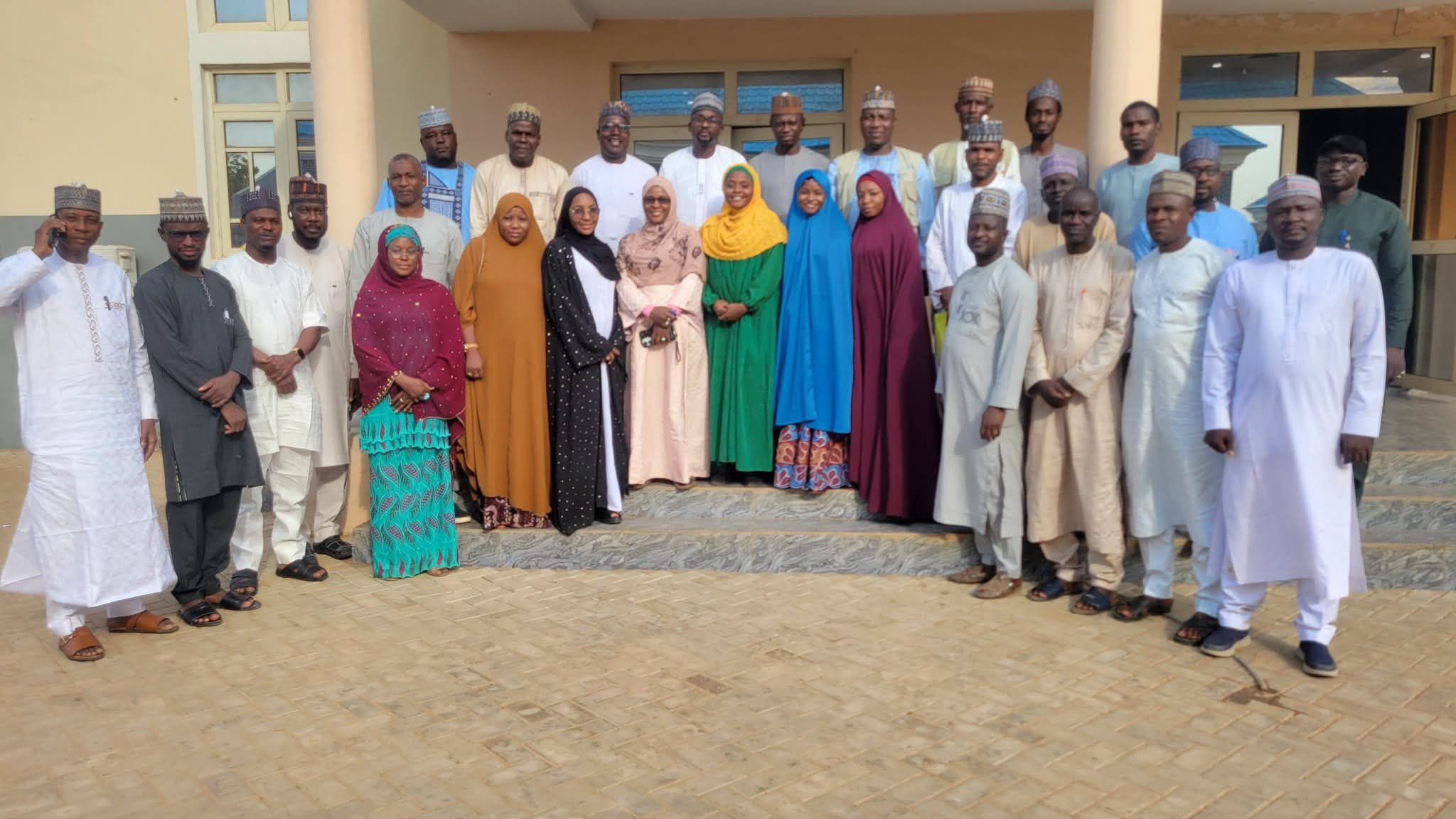
My participation in UNICEF’s two-day capacity-building workshop for Civil Society Organisations (CSOs) and media practitioners from Sokoto, Kebbi and Zamfara States has significantly broadened my understanding of public budgeting, expenditure tracking and citizens’ responsibility to hold government accountable.
The workshop, held at Kamba Motel, Birnin Kebbi, from 19 to 20 November 2026, brought together CSOs and media organisations under UNICEF’s Budget Working Group Coalition to strengthen advocacy for increased investment in children ahead of the 2027 fiscal year.
One of the most important lessons I took away is that a budget approval is not the same as budget performance, and budget performance is not necessarily the same as service delivery.
This distinction is particularly important in assessing government commitments to children and vulnerable households.
I learnt that it is not enough for citizens to know how much government has allocated to education, healthcare, nutrition, water, sanitation and social protection. They must also know how much has actually been released, how much has been spent, what the money was spent on and whether the intended projects and services have been delivered.
For instance, if government allocates billions of naira to the health or education sector, the responsibility of citizens, journalists and civil society organisations does not end with reporting the announcement. They must follow the money, examine its utilisation and establish whether the expenditure has improved access to healthcare, strengthened schools or provided better services for children.
Another important lesson was the need to understand the different stages of the budget cycle: formulation, approval, implementation, monitoring and evaluation. Citizens should engage government at every stage rather than wait until the end of the financial year before demanding explanations.
I also learnt the importance of comparing approved budget figures with actual releases and expenditure. This helps identify implementation gaps, abandoned projects, delayed releases and discrepancies between government promises and what is happening in communities.
Perhaps the most practical lesson was that accountability must be driven by evidence, not assumptions.
To effectively hold public officials accountable, journalists and CSOs need access to budget documents, implementation reports, procurement records and other relevant public information. They must be able to ask specific questions and support their findings with verifiable facts.
The workshop also helped me appreciate that the media has a responsibility beyond reporting government activities. Journalists must investigate whether public resources are producing the expected results. They should visit project locations, speak to beneficiaries, verify claims by public officials and give citizens the opportunity to assess government performance.
A particularly important aspect of the discussions was child-centred budgeting. Children may not have the political voice to demand better schools, functional health facilities, adequate nutrition or access to clean water. This makes it necessary for parents, community groups, CSOs and the media to ensure that their interests receive adequate attention in government spending priorities.
I must also acknowledge the impressive presentations by UNICEF Sokoto’s Social Policy Specialist, Isa Ibrahim. His mastery of public speaking, depth of knowledge and exceptional ability to explain complex budgetary issues made the different sessions particularly engaging. He demonstrated how effective communication can transform technical subjects into practical knowledge that participants can understand and apply. Meeting him for the first time, one could easily mistake him for a Harvard-trained professor.
As we approach the 2027 budget cycle, I believe the knowledge gained should translate into more informed reporting, stronger civic engagement and sustained monitoring of public expenditure across our states.
Ultimately, government accountability is not achieved simply by approving budgets or making public promises. It is achieved when citizens can trace public money, verify what it has delivered and demand answers where commitments have not been fulfilled.
My greatest takeaway is this: we must move beyond asking how much government has budgeted and begin asking how much has been released, how much has been spent, what has been achieved and who has benefited.
That is where meaningful budget accountability begins.
Binji is Chairman Nigeria Union of Journalists, Sokoto State Council
