

• Home
  • Agric
  • Sci & Tech
  • Health
  • Environment
  • Hausa News
  • More
    • Business/Banking & Finance
    • POLITICS
    • Entertainments & Sports
    • International
    • Investigation
    • Law & Human Rights
    • Africa
    • ACCOUNTABILITY/CORRUPTION
    • Hassan Gimba
    • Column
    • Prof. Jibrin Ibrahim
    • Prof. M.K. Othman
    • Defense/Security
    • Education
    • Energy/Electricity
    • Entertainment/Arts & Sports
    • Society and Lifestyle
    • Food & Agriculture
    • Health & Healthy Living
    • International News
    • Interviews
    • Investigation/Fact-Check
    • LAW & HUMAN RIGHTS
    • Oil & Gas/Mineral Resources
    • PRESS FREEDOM/JOURNALISM/PR
    • General News
    • Presidency
  • About Us
    • Contact Us
    • Board Of Advisory
    • Privacy Policy
    • Ethics Policy
    • Teamwork And Collaboration Policy
    • Fact-Checking Policy
    • Advertising
  • Media OutReach Newswire
    • Wire News
  • The Stories
Facebook Twitter Instagram
Trending
  • Beyond budget allocations: Tracking public spending for greater accountability
  • Bayelsa boat accident renews concerns over waterway safety
  • GTA VI claims biggest launch in entertainment history
  • Nigeria’s coffee growers face an uphill road to recognition
  • Breast cancer: 58 Nigerian women die daily as treatment costs, late diagnosis worsen crisis
  • Ogun farmers call for better roads, security, inputs
  • PCN shuts illegal, non-compliant medicine outlets
  • Kaduna poultry farmers struggle with feed costs
Facebook Twitter Instagram YouTube
AsheNewsAsheNews
  • Home
  • Agric

    Nigeria’s coffee growers face an uphill road to recognition

    November 21, 2026

    Ogun farmers call for better roads, security, inputs

    November 20, 2026

    Kaduna poultry farmers struggle with feed costs

    November 20, 2026

    Enugu residents call for steps to stabilise onion prices

    November 20, 2026

    IAR, NBMA train stakeholders on managing low-level presence of GM crops

    November 20, 2026
  • Sci & Tech

    GTA VI claims biggest launch in entertainment history

    November 21, 2026

    Expert calls for wider access to digital services in Nigeria

    November 20, 2026

    Rural connectivity key to inclusive digital growth, expert says

    November 20, 2026

    IAR, NBMA train stakeholders on managing low-level presence of GM crops

    November 20, 2026

    Sultan inaugurates 500-seat ICT centre at Saki nursing college, backs health technology expansion

    November 19, 2026
  • Health

    Breast cancer: 58 Nigerian women die daily as treatment costs, late diagnosis worsen crisis

    November 20, 2026

    PCN shuts illegal, non-compliant medicine outlets

    November 20, 2026

    AMR poses growing burden on families, expert warns

    November 20, 2026

    UCH wait times tied to staff shortage, weak primary care

    November 20, 2026

    UNICEF support boosts safety, sanitation at Daudu camp

    November 20, 2026
  • Environment

    Bayelsa boat accident renews concerns over waterway safety

    November 21, 2026

    Ghana warns of El Niño-linked health risks as harmattan intensifies

    November 20, 2026

    Ghana’s UCC Vice-Chancellor meets 12-year-old student, urges focus on excellence

    November 20, 2026

    NEWSAN calls for urgent repairs to sewage systems

    November 19, 2026

    Nigeria targets open defecation free status by 2030

    November 19, 2026
  • Hausa News

    Foundation unveils public sector reform playbook

    November 12, 2026

    Tinubu asks Reps to approve N10.79tn external borrowing for 2026 budget

    November 11, 2026

    UNA signs MoU to launch air Bissau in Guinea-Bissau

    June 15, 2026

    Otti plans 250-room 5-star hotel in Umuahia

    April 11, 2026

    Anti-quackery task force seals 4 fake hospitals in Rivers

    August 29, 2025
  • More
    1. Business/Banking & Finance
    2. POLITICS
    3. Entertainments & Sports
    4. International
    5. Investigation
    6. Law & Human Rights
    7. Africa
    8. ACCOUNTABILITY/CORRUPTION
    9. Hassan Gimba
    10. Column
    11. Prof. Jibrin Ibrahim
    12. Prof. M.K. Othman
    13. Defense/Security
    14. Education
    15. Energy/Electricity
    16. Entertainment/Arts & Sports
    17. Society and Lifestyle
    18. Food & Agriculture
    19. Health & Healthy Living
    20. International News
    21. Interviews
    22. Investigation/Fact-Check
    23. LAW & HUMAN RIGHTS
    24. Oil & Gas/Mineral Resources
    25. PRESS FREEDOM/JOURNALISM/PR
    26. General News
    27. Presidency
    Featured
    Recent

    Beyond budget allocations: Tracking public spending for greater accountability

    November 21, 2026

    Bayelsa boat accident renews concerns over waterway safety

    November 21, 2026

    GTA VI claims biggest launch in entertainment history

    November 21, 2026
  • About Us
    1. Contact Us
    2. Board Of Advisory
    3. Privacy Policy
    4. Ethics Policy
    5. Teamwork And Collaboration Policy
    6. Fact-Checking Policy
    7. Advertising
    Featured
    Recent

    Beyond budget allocations: Tracking public spending for greater accountability

    November 21, 2026

    Bayelsa boat accident renews concerns over waterway safety

    November 21, 2026

    GTA VI claims biggest launch in entertainment history

    November 21, 2026
  • Media OutReach Newswire
    • Wire News
  • The Stories
AsheNewsAsheNews
Home»ACCOUNTABILITY/CORRUPTION»Beyond budget allocations: Tracking public spending for greater accountability
ACCOUNTABILITY/CORRUPTION

Beyond budget allocations: Tracking public spending for greater accountability

By Usman Mohammed Binji
EditorBy EditorNovember 21, 2026Updated:November 21, 2026No Comments4 Mins Read
Share
Facebook Twitter LinkedIn Pinterest Email

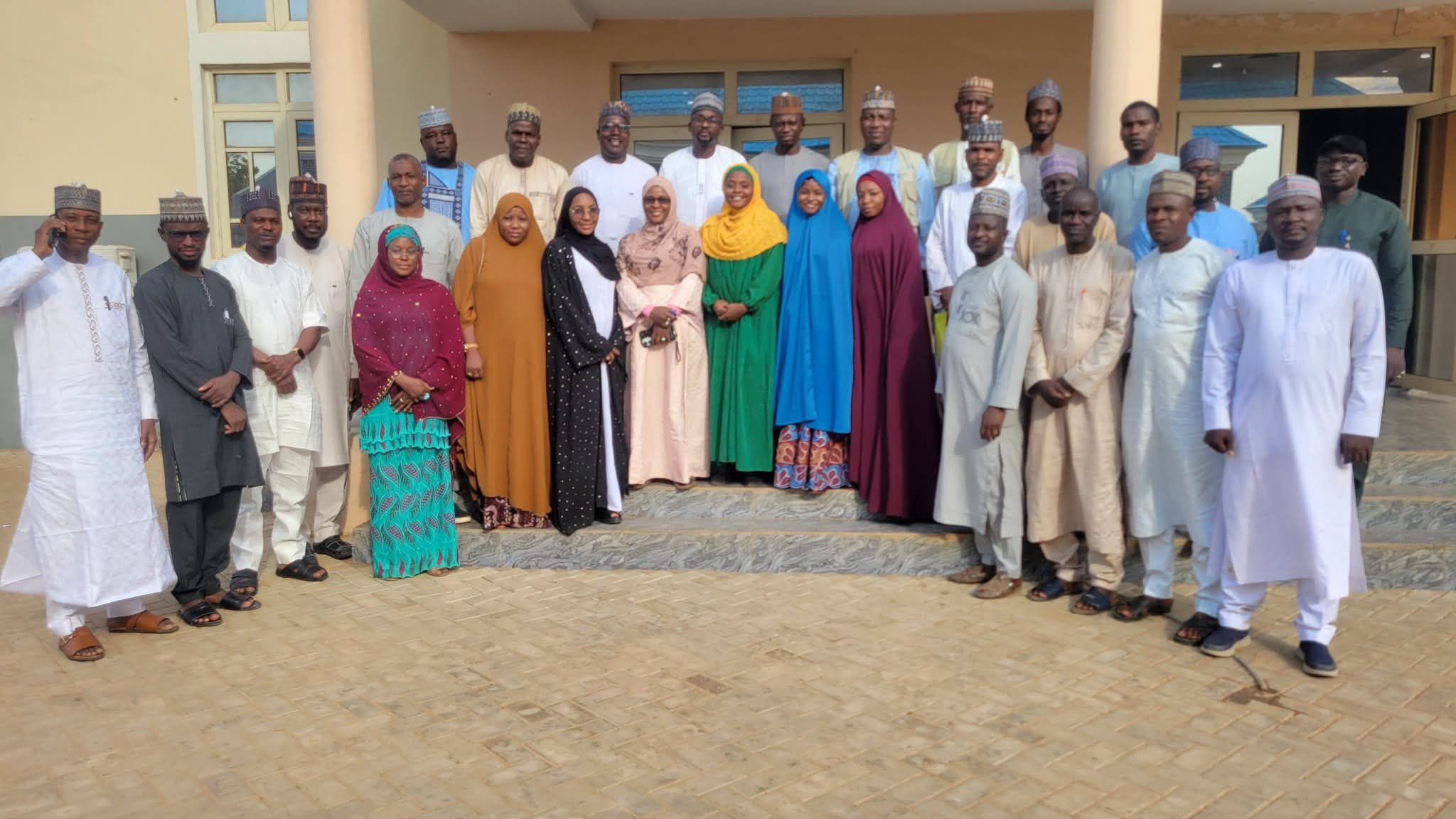
My participation in UNICEF’s two-day capacity-building workshop for Civil Society Organisations (CSOs) and media practitioners from Sokoto, Kebbi and Zamfara States has significantly broadened my understanding of public budgeting, expenditure tracking and citizens’ responsibility to hold government accountable.

The workshop, held at Kamba Motel, Birnin Kebbi, from 19 to 20 November 2026, brought together CSOs and media organisations under UNICEF’s Budget Working Group Coalition to strengthen advocacy for increased investment in children ahead of the 2027 fiscal year.

One of the most important lessons I took away is that a budget approval is not the same as budget performance, and budget performance is not necessarily the same as service delivery.

This distinction is particularly important in assessing government commitments to children and vulnerable households.

I learnt that it is not enough for citizens to know how much government has allocated to education, healthcare, nutrition, water, sanitation and social protection. They must also know how much has actually been released, how much has been spent, what the money was spent on and whether the intended projects and services have been delivered.

For instance, if government allocates billions of naira to the health or education sector, the responsibility of citizens, journalists and civil society organisations does not end with reporting the announcement. They must follow the money, examine its utilisation and establish whether the expenditure has improved access to healthcare, strengthened schools or provided better services for children.

Another important lesson was the need to understand the different stages of the budget cycle: formulation, approval, implementation, monitoring and evaluation. Citizens should engage government at every stage rather than wait until the end of the financial year before demanding explanations.

I also learnt the importance of comparing approved budget figures with actual releases and expenditure. This helps identify implementation gaps, abandoned projects, delayed releases and discrepancies between government promises and what is happening in communities.

Perhaps the most practical lesson was that accountability must be driven by evidence, not assumptions.

To effectively hold public officials accountable, journalists and CSOs need access to budget documents, implementation reports, procurement records and other relevant public information. They must be able to ask specific questions and support their findings with verifiable facts.

The workshop also helped me appreciate that the media has a responsibility beyond reporting government activities. Journalists must investigate whether public resources are producing the expected results. They should visit project locations, speak to beneficiaries, verify claims by public officials and give citizens the opportunity to assess government performance.

A particularly important aspect of the discussions was child-centred budgeting. Children may not have the political voice to demand better schools, functional health facilities, adequate nutrition or access to clean water. This makes it necessary for parents, community groups, CSOs and the media to ensure that their interests receive adequate attention in government spending priorities.

I must also acknowledge the impressive presentations by UNICEF Sokoto’s Social Policy Specialist, Isa Ibrahim. His mastery of public speaking, depth of knowledge and exceptional ability to explain complex budgetary issues made the different sessions particularly engaging. He demonstrated how effective communication can transform technical subjects into practical knowledge that participants can understand and apply. Meeting him for the first time, one could easily mistake him for a Harvard-trained professor.

As we approach the 2027 budget cycle, I believe the knowledge gained should translate into more informed reporting, stronger civic engagement and sustained monitoring of public expenditure across our states.

Ultimately, government accountability is not achieved simply by approving budgets or making public promises. It is achieved when citizens can trace public money, verify what it has delivered and demand answers where commitments have not been fulfilled.

My greatest takeaway is this: we must move beyond asking how much government has budgeted and begin asking how much has been released, how much has been spent, what has been achieved and who has benefited.

That is where meaningful budget accountability begins.

Binji is Chairman Nigeria Union of Journalists, Sokoto State Council

Budget tracking UNICEF
Share. Facebook Twitter Pinterest LinkedIn WhatsApp Reddit Tumblr Email
Editor
  • Website

Related Posts

UNICEF: 556,000 out-of-school children still await return to classrooms in Sokoto, Kebbi, Zamfara

November 20, 2026

UNICEF support boosts safety, sanitation at Daudu camp

November 20, 2026

Reps probe 9 varsities over financial irregularities

November 15, 2026

Leave A Reply Cancel Reply

Beyond budget allocations: Tracking public spending for greater accountability

November 21, 2026

Bayelsa boat accident renews concerns over waterway safety

November 21, 2026

GTA VI claims biggest launch in entertainment history

November 21, 2026

Nigeria’s coffee growers face an uphill road to recognition

November 21, 2026
About Us
About Us

ASHENEWS (AsheNewsDaily.com), published by PenPlus Online Media Publishers, is an independent online newspaper. We report development news, especially on Agriculture, Science, Health and Environment as they affect the under-reported rural and urban poor.

We also conduct investigations, especially in the areas of ASHE, as well as other general interests, including corruption, human rights, illicit financial flows, and politics.

Contact Info:
  • 1st floor, Dogon Daji House, No. 5, Maiduguri Road, Sokoto
  • +234(0)7031140009
  • ashenewsdaily@gmail.com
Facebook Twitter Instagram Pinterest
© 2026 All Rights Reserved. ASHENEWS Daily Designed & Managed By DeedsTech

Type above and press Enter to search. Press Esc to cancel.