

• Home
  • Agric
  • Sci & Tech
  • Health
  • Environment
  • Hausa News
  • More
    • Business/Banking & Finance
    • POLITICS
    • Entertainments & Sports
    • International
    • Investigation
    • Law & Human Rights
    • Africa
    • ACCOUNTABILITY/CORRUPTION
    • Hassan Gimba
    • Column
    • Prof. Jibrin Ibrahim
    • Prof. M.K. Othman
    • Defense/Security
    • Education
    • Energy/Electricity
    • Entertainment/Arts & Sports
    • Society and Lifestyle
    • Food & Agriculture
    • Health & Healthy Living
    • International News
    • Interviews
    • Investigation/Fact-Check
    • LAW & HUMAN RIGHTS
    • Oil & Gas/Mineral Resources
    • PRESS FREEDOM/JOURNALISM/PR
    • General News
    • Presidency
  • About Us
    • Contact Us
    • Board Of Advisory
    • Privacy Policy
    • Ethics Policy
    • Teamwork And Collaboration Policy
    • Fact-Checking Policy
    • Advertising
  • Media OutReach Newswire
    • Wire News
  • The Stories
Facebook Twitter Instagram
Trending
  • RHV launches robotic surgery to improve Nigerian healthcare
  • WISE urges youths to turn climate concerns into action
  • Fake agency scandal: How ‘federal character’ was used to disguise illegal operation for 9 years
  • Wike marks 3 years of Abuja transformation
  • Period poverty hits schoolgirls hard
  • Davido, Rarara: Possible combination and the 2027 race, by Hassan Gimba
  • SERAP urges INEC to publish limit of political donations for 2027 polls
  • Kano gov inspects Kafinchiri dam project
Facebook Twitter Instagram YouTube
AsheNewsAsheNews
  • Home
  • Agric

    Kano gov inspects Kafinchiri dam project

    August 23, 2026

    IFAD-VCDP urges LGAs to form maintenance committees for farm infrastructure

    August 20, 2026

    AFAN Ogun seeks greater farmer inclusion in govt programmes

    August 20, 2026

    Kwaya Kusar farmers commend Borno govt’s security drive

    August 20, 2026

    Insecurity in Plateau threatens food security, group warns

    August 19, 2026
  • Sci & Tech

    NBRDA welcomes FEC approval of revised biotechnology policy

    August 21, 2026

    FUD physics student develops AI-powered fire detection system

    August 21, 2026

    TAFTA: AI, human connection must coexist

    August 20, 2026

    Ministry challenges FIIRO to become industry problem-solver

    August 19, 2026

    FG inaugurates national digital cloud policy

    August 18, 2026
  • Health

    RHV launches robotic surgery to improve Nigerian healthcare

    August 23, 2026

    Period poverty hits schoolgirls hard

    August 23, 2026

    Mental health groups commend FEC for decriminalising attempted suicide

    August 22, 2026

    Professor urges greater role for dietitians in NCD management

    August 22, 2026

    Okoye urges digital solutions for rural healthcare access

    August 22, 2026
  • Environment

    WISE urges youths to turn climate concerns into action

    August 23, 2026

    Wike marks 3 years of Abuja transformation

    August 23, 2026

    Fatal crash claims 5 on Badagry expressway

    August 22, 2026

    NEPA/PHCN pensioners protest unpaid arrears in Lagos

    August 22, 2026

    Stakeholders urge women to lead climate and peace efforts in Sokoto

    August 22, 2026
  • Hausa News

    UNA signs MoU to launch air Bissau in Guinea-Bissau

    June 15, 2026

    Otti plans 250-room 5-star hotel in Umuahia

    April 11, 2026

    Anti-quackery task force seals 4 fake hospitals in Rivers

    August 29, 2025

    [BIDIYO] Yadda na lashe gasa ta duniya a fannin Ingilishi – Rukayya ‘yar shekara 17

    August 6, 2025

    A Saka Baki, A Sasanta Saɓani Tsakanin ‘Yanjarida Da Liman, Daga Muhammad Sajo

    May 21, 2025
  • More
    1. Business/Banking & Finance
    2. POLITICS
    3. Entertainments & Sports
    4. International
    5. Investigation
    6. Law & Human Rights
    7. Africa
    8. ACCOUNTABILITY/CORRUPTION
    9. Hassan Gimba
    10. Column
    11. Prof. Jibrin Ibrahim
    12. Prof. M.K. Othman
    13. Defense/Security
    14. Education
    15. Energy/Electricity
    16. Entertainment/Arts & Sports
    17. Society and Lifestyle
    18. Food & Agriculture
    19. Health & Healthy Living
    20. International News
    21. Interviews
    22. Investigation/Fact-Check
    23. LAW & HUMAN RIGHTS
    24. Oil & Gas/Mineral Resources
    25. PRESS FREEDOM/JOURNALISM/PR
    26. General News
    27. Presidency
    Featured
    Recent

    RHV launches robotic surgery to improve Nigerian healthcare

    August 23, 2026

    WISE urges youths to turn climate concerns into action

    August 23, 2026

    Fake agency scandal: How ‘federal character’ was used to disguise illegal operation for 9 years

    August 23, 2026
  • About Us
    1. Contact Us
    2. Board Of Advisory
    3. Privacy Policy
    4. Ethics Policy
    5. Teamwork And Collaboration Policy
    6. Fact-Checking Policy
    7. Advertising
    Featured
    Recent

    RHV launches robotic surgery to improve Nigerian healthcare

    August 23, 2026

    WISE urges youths to turn climate concerns into action

    August 23, 2026

    Fake agency scandal: How ‘federal character’ was used to disguise illegal operation for 9 years

    August 23, 2026
  • Media OutReach Newswire
    • Wire News
  • The Stories
AsheNewsAsheNews
Home»Health & Healthy Living»Period poverty hits schoolgirls hard
Health & Healthy Living

Period poverty hits schoolgirls hard

NewsdeskBy NewsdeskAugust 23, 2026Updated:August 23, 2026No Comments5 Mins Read
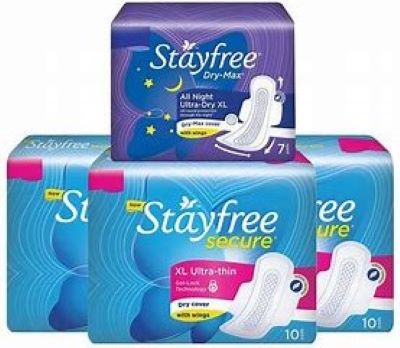
A typical sanitary pad
Share
Facebook Twitter LinkedIn Pinterest Email

In many poor homes, a girl’s monthly period brings sadness and resentment instead of marking a normal growth milestone.

This is because for many young schoolgirls, basic sanitary pads are too expensive, forcing them to use unhygienic old rags.

This lack of pads, clean water and private toilets strips them of basic comfort and personal dignity.

Behind closed doors, period poverty affects school life, harming health, lowering confidence and causing frequent missed classes.

For millions of young girls across low-income communities, managing monthly periods with dignity remains an exhausting struggle against severe economic hardship and persistent societal stigma.

Dr Chukwubundom Nwobodo, Obstetrics and Gynaecology Medical Officer at General Hospital, Ebute-Metta, described period poverty as inadequate access to menstrual products, hygiene facilities, waste disposal and education needed to manage menstruation safely, hygienically and with dignity. He said it arises from poverty, poor infrastructure (including clean water and private toilets), expensive products, taxes on menstrual items and the social stigma surrounding menstruation.

According to him, period poverty affects hundreds of millions of girls and women worldwide, particularly those in low-income communities, rural areas and humanitarian settings.

On the impact, he decried that period poverty severely threatens girls’ physical well-being, education and self-esteem.

He explained that expensive sanitary products, inadequate water infrastructure and unhygienic alternatives also heighten vulnerability to serious reproductive tract infections and prolonged physical discomfort.

“The constant fear of leakage, pervasive shame and secretly managing menstruation inflict immense psychological stress, ultimately disrupting classroom attendance and academic progress.

“Period poverty increases physical health risks, including infections, untreated reproductive health issues and discomfort from prolonged use of inadequate menstrual materials.”

He said it affects mental well-being through anxiety over leaking or odour, shame, embarrassment and stress from managing menstruation secretly.

“Over time, this can contribute to lowered self-esteem and, in some cases, depression or social withdrawal,” he said.

He said girls’ dignity is affected when they beg, trade or go without products, cannot manage periods privately or face ridicule over leaks and stains.

“These experiences erode a girl’s sense of self-worth and autonomy,” he said.

Nwobodo said girls often miss school during menstruation because of inadequate products, pain or fear of leaks, resulting in significant loss of instructional time.

He said even when present, girls can become distracted, disengaged or reluctant to participate, including avoiding standing at the board for fear of visible stains.

According to him, repeated absences and reduced concentration contribute to falling grades, while severe cases can result in girls dropping out after menstruation begins.

He said inadequate private, clean toilets with water and disposal bins further compound the problem, preventing discreet menstrual management during school hours.

Nwobodo said girls without proper menstrual products often resort to rags, tissue, newspapers, leaves, cotton wool or reused, unwashed cloth.

He said such materials can cause reproductive and urinary tract infections through prolonged contact with unsanitary materials.

He listed vaginal irritation, rashes, sores, fungal infections and risks associated with damp or unclean materials among possible health consequences.

He also warned of toxic shock syndrome if materials are left in place too long or are unsafe for internal use.

According to him, long-term untreated infections could affect fertility and overall reproductive health.

Suggesting solutions, Nwobodo called for Water, Sanitation and Hygiene (WASH) infrastructure, including private toilets, clean water, soap and disposal facilities, particularly in schools.

He advocated menstrual health education for girls and boys, covering anatomy, hygiene and myth-busting, ideally beginning before girls experience their first period.

He recommended trained counsellors or nurses to support girls with pain management and emotional concerns.

Nwobodo urged policy support through the removal of taxes on menstrual products, subsidisation or free distribution, and the inclusion of menstrual health in school health programmes.

He also called for teacher training to enable staff to respond supportively rather than reinforce shame, alongside community engagement to change harmful cultural norms.

Nwobodo said menstruation is often treated as shameful or impure, discouraging open conversations and leaving some girls fearful and confused during their first period.

He said cultural taboos in some communities that restrict menstruating girls and women from cooking, attending religious functions or entering public spaces — thereby reinforcing exclusion — should be discontinued.

He also advised that the silence around menstruation, which leaves boys and men uninformed and can result in teasing or lack of empathy, should be stopped.

“Without accurate education, myths about hygiene practices and restrictions can spread, sometimes worsening health risks,” he said.

According to him, stigma also discourages girls from seeking help or menstrual products, even when available, because of embarrassment.

To mitigate the generally unaffordable cost of sanitary products, Nwobodo urged government to remove taxes on menstrual products, subsidise or provide free products in public schools and health centres.

He called for funding of WASH infrastructure improvements in schools, especially rural schools, and the integration of menstrual health into national health and education curricula.

For schools, he recommended free or low-cost pads in accessible locations, including school clinics and restrooms.

He also urged schools to provide private, clean toilets with water and disposal bins, train teachers to discuss menstruation sensitively and educate all students.

Nwobodo advocated flexibility for pain-related absences without penalty and encouraged parents to discuss menstruation openly with daughters and sons before it begins.

He urged families to normalise periods as a healthy, natural process rather than something shameful.

For organisations and NGOs, he recommended distributing reusable pads or menstrual cups as sustainable, cost-effective solutions.

He also called for community education campaigns to reduce stigma and partnerships with local governments and schools to identify and reach vulnerable girls.

sanitary pads schoolgirls WASH
Share. Facebook Twitter Pinterest LinkedIn WhatsApp Reddit Tumblr Email
Newsdesk
  • Website

Related Posts

RHV launches robotic surgery to improve Nigerian healthcare

August 23, 2026

Mental health groups commend FEC for decriminalising attempted suicide

August 22, 2026

Professor urges greater role for dietitians in NCD management

August 22, 2026

Leave A Reply Cancel Reply

RHV launches robotic surgery to improve Nigerian healthcare

August 23, 2026

WISE urges youths to turn climate concerns into action

August 23, 2026

Fake agency scandal: How ‘federal character’ was used to disguise illegal operation for 9 years

August 23, 2026

Wike marks 3 years of Abuja transformation

August 23, 2026
About Us
About Us

ASHENEWS (AsheNewsDaily.com), published by PenPlus Online Media Publishers, is an independent online newspaper. We report development news, especially on Agriculture, Science, Health and Environment as they affect the under-reported rural and urban poor.

We also conduct investigations, especially in the areas of ASHE, as well as other general interests, including corruption, human rights, illicit financial flows, and politics.

Contact Info:
  • 1st floor, Dogon Daji House, No. 5, Maiduguri Road, Sokoto
  • +234(0)7031140009
  • ashenewsdaily@gmail.com
Facebook Twitter Instagram Pinterest
© 2026 All Rights Reserved. ASHENEWS Daily Designed & Managed By DeedsTech

Type above and press Enter to search. Press Esc to cancel.