


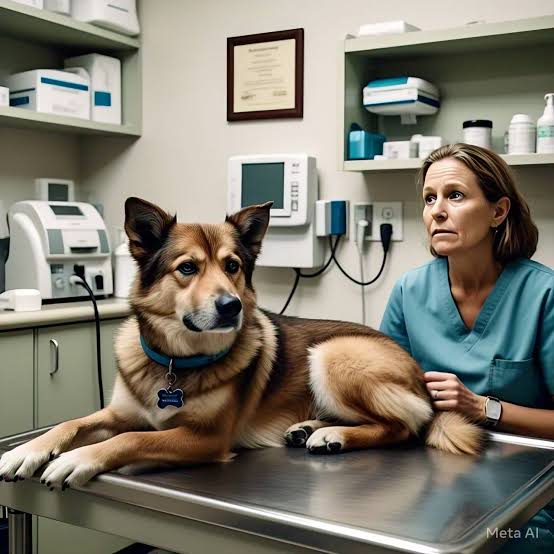
A veterinarian at Animal Care Services Konsult, Kaduna, Dr Agboola Lawal, says rabies is caused by a virus transmitted mainly through bites from infected animals. He urged Nigerians to disregard widespread misconceptions about the disease.
Lawal told reporters on Tuesday that the virus is present in the saliva of infected animals and enters the body through bite wounds or breaks in the skin.
He explained that although bites remain the primary mode of rabies transmission, infection can also occur when saliva from an infected animal comes into contact with open wounds or mucous membranes such as the eyes, nose or mouth.
According to him, once the virus enters the body, it travels through the nerves to the brain, causing severe inflammation before spreading to the salivary glands and enabling further transmission.
The veterinarian dismissed claims that animals are born with rabies, emphasising that the disease is neither inherited nor transmitted from a pregnant animal to its offspring before birth.
“There is no animal that is born with rabies. A healthy animal cannot develop rabies on its own. It must first become infected with the rabies virus, usually through the bite of another infected animal,” he said.
Lawal said the incubation period ranges from a few weeks to several months, depending on factors such as the location of the bite, the amount of virus introduced and the immune status of the victim.
He added that vaccination remains a vital preventive measure against rabies, noting that several mammalian species, including domestic and wild animals, are susceptible to infection by the virus.
“Rabies is not limited to dogs. Mammals, including cats, horses, cattle, goats, sheep, monkeys and foxes, could be infected,” he said.
However, he noted that domestic dogs remain the leading source of human rabies transmission in Nigeria, making responsible ownership and routine vaccination critical to preventing outbreaks nationwide.
Lawal urged the public to seek immediate medical attention after any suspected rabid animal bite, emphasising that prompt intervention and annual anti-rabies vaccination for pets could save lives.
