


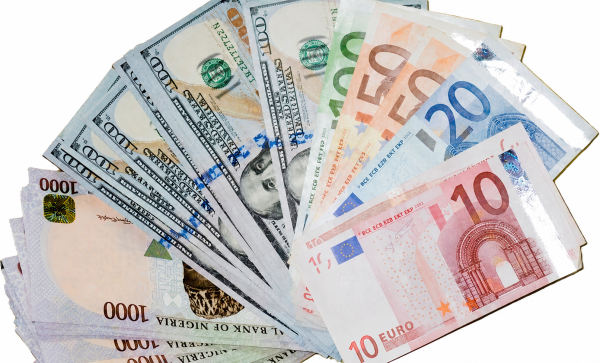
The Nigerian naira strengthened against the euro, closing at N1,552 per euro, as the Central Bank of Nigeria’s (CBN) tight monetary policy continued to underpin stability in the foreign exchange market despite lingering global uncertainties.
Market data showed the local currency appreciated against the European single currency following sustained interventions by the apex bank and improved foreign exchange liquidity in the official market. The development comes as the CBN maintains elevated interest rates to curb inflation and attract foreign portfolio investments.
Analysts said the combination of high domestic yields, stronger foreign reserves and disciplined monetary policy has helped improve investor confidence, reducing pressure on the naira against major international currencies.
The euro weakened broadly in global markets after the European Union reached a trade agreement with the United States that imposed a 15 per cent tariff on most EU exports. Investors also remained cautious ahead of key monetary policy decisions by major central banks, including the U.S. Federal Reserve.
The CBN’s decision to keep benchmark interest rates elevated has continued to attract offshore investors to Nigeria’s fixed-income market, boosting foreign exchange inflows and supporting the local currency.
Market participants noted that the naira’s recent performance also reflects improved liquidity in the official foreign exchange market, aided by regular interventions from the apex bank and increased inflows from autonomous sources.
Despite the gains, traders said demand for foreign exchange from manufacturers, importers and individuals remains significant, suggesting the CBN will need to sustain policies that enhance liquidity and preserve market confidence.
The appreciation against the euro adds to the naira’s recent resilience against other major currencies, reinforcing expectations that continued monetary discipline and stronger external reserves could help maintain relative exchange rate stability in the near term.
