


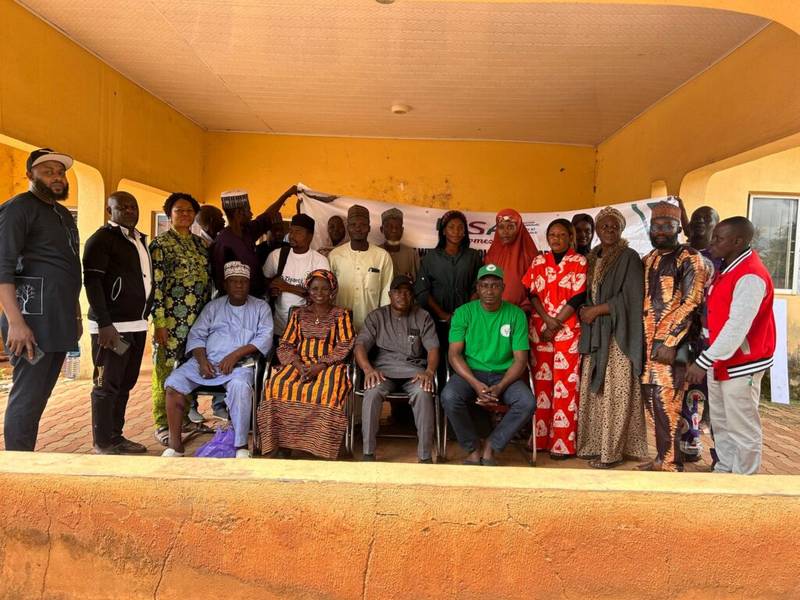
The Integrated Child Survival Advocacy at the Last Mile (ICSA) has commenced the orientation of local government and health facility team members to strengthen child survival and maternal health advocacy across Kaduna State.
Speaking during the orientation in Kachia Local Government on Wednesday, the Project Manager of ICSA, Mr Agada Simon, said the programme was designed to equip selected participants with the knowledge and skills required to implement child survival advocacy in communities across the state.
Simon said the participants would serve as frontline advocates, engaging communities on issues affecting child health and survival while promoting maternal health interventions.
According to him, one of the major objectives of the orientation is to ensure that implementers work closely with existing government and community structures to guarantee the success of the project.
“You cannot succeed in the field if you do not identify and work with existing structures such as the Ward Development Committees (WDCs), Supervisory Medical Officers (SMOs), Health Authority Secretaries and Officers-in-Charge of health facilities.
“These are critical stakeholders whose support is essential for effective implementation,” he said.
Simon acknowledged that insecurity remained a challenge to project implementation in some parts of the country but stressed that the safety of field personnel would always come first.
He said project teams had been advised to assess the security situation before embarking on field activities and to maintain close collaboration with local authorities and security agencies to ensure safe implementation.
The project manager disclosed that the ICSA initiative was expected to expand to all 23 local government areas of Kaduna before the end of the year, with participants from across the state taking part in advocacy activities aimed at improving child survival outcomes.
Also speaking, Mrs Phoebe Sarki, Secretary II of Kachia Local Government Area, commended the ICSA team for bringing the project to the area, describing it as a timely intervention that would strengthen child survival and maternal health services at the grassroots.
She expressed confidence that the orientation would empower participants to effectively engage communities, promote positive health-seeking behaviour among mothers and caregivers, and increase awareness of life-saving child health interventions.
Sarki assured the project team of the support and commitment of the local government toward the successful implementation of the initiative through collaboration with relevant stakeholders.
The orientation brought together local government officials, health workers and community representatives, who pledged to work with existing health structures to ensure that the project achieves its goal of reducing preventable child deaths and improving maternal health across the state.
