


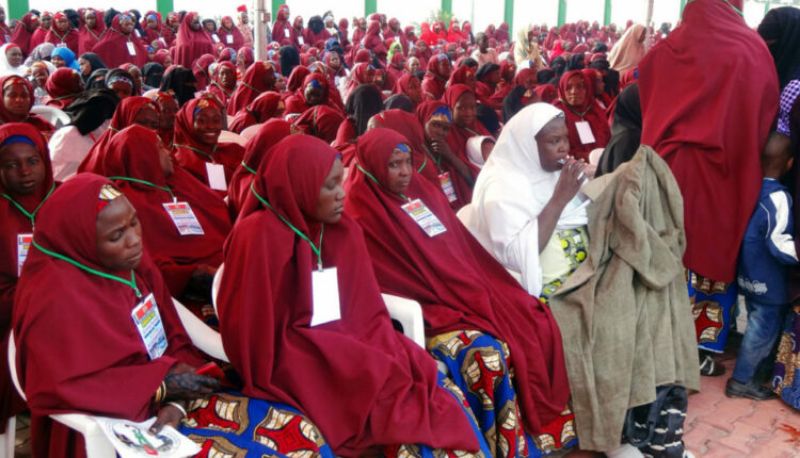
State-sponsored mass wedding programmes in Northern Nigeria, though often designed as social welfare interventions, could place enormous pressure on the already overstretched health and education systems, a development expert, Dr. Balarabe Shehu Kakale, has stressed.
Kakale, in an opinion article published in TheStories, warned that recent mass wedding initiatives by the Zamfara and Kano state governments may generate between 6,000 and 10,000 additional maternal, child health and schooling cases within six years, thereby increasing the burden on critical social infrastructure.
The Zamfara State Government recently sponsored the marriage of hundreds of low-income couples, including widows and orphans, while the Kano State Government is preparing to conduct a mass wedding for 3,000 vulnerable couples.
According to Kakale, although the programmes are intended to strengthen family values, reduce social vices and support vulnerable citizens, they come with long-term recurrent costs that governments may not have adequately planned for.
He argued that Northern Nigeria already grapples with poor development indicators, including high fertility rates, low educational attainment, inadequate housing, weak healthcare systems and insecurity.
“From a development perspective, these ceremonies act as a catalyst for immediate population surges that the region’s overstretched health, education, housing, water and security infrastructure are ill-equipped to handle,” he stated.
The expert noted that while governments usually cater for one-off expenses such as bride price, wedding ceremonies, furniture and household items, the real challenge lies in the continuous social and economic responsibilities that emerge after the marriages.
Using demographic projections, Kakale estimated that if Kano succeeds in marrying 3,000 couples and Zamfara weds several hundred others, the two states could record thousands of additional births over the next six years.
“These births would require expanded maternal and child healthcare services, including antenatal care, skilled birth attendance, immunisation, nutrition support and treatment of childhood illnesses”, he stressed.
He further projected that the resulting population increase would place significant pressure on educational infrastructure, requiring additional classrooms, teachers, instructional materials and school facilities.
“Beyond health and education, the mass weddings could intensify demand for housing, potable water, sanitation facilities, food supply and employment opportunities.He stressed that without corresponding investments in social infrastructure and economic empowerment, the initiatives risk worsening poverty and social instability,” Kakale warned.
The development expert also questioned the sustainability of spending billions of naira on mass wedding programmes in a region facing severe developmental challenges.
He urged policymakers to adopt a more comprehensive approach that combines marriage support with investments in education, healthcare, livelihood opportunities, family planning, housing and social protection.
According to him, “governments should ensure that social welfare interventions are aligned with broader development strategies to avoid creating additional burdens on already fragile systems.”
Kakale maintained that while supporting vulnerable citizens remains important, such interventions must be carefully planned and integrated into long-term development frameworks capable of addressing the region’s pressing socio-economic realities.
