


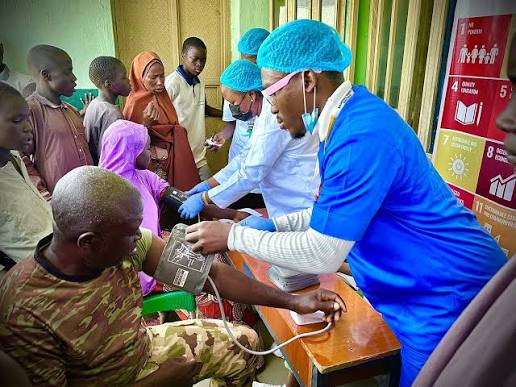
Stakeholders in Jigawa’s health sector have called for greater adherence to preventive measures to reduce malaria in the state.
Including health experts, environmentalists, and residents, they described prevention as an effective tool, especially during the wet season.
They made these remarks in separate interviews with reporters on Friday in Dutse.
Mr. Ibrahim Lawan, a medical worker in Kazaure, emphasized the need for residents to take proactive steps to protect themselves from mosquito bites.
He described malaria as one of Nigeria’s leading illnesses and stressed that prevention is the most effective way to control it.
Lawan advised residents to sleep under treated nets, keep their surroundings clean, clear stagnant water, and properly dispose of waste to prevent mosquito breeding.
“People should seek medical attention immediately if they notice symptoms like fever, headache, weakness, or chills, rather than self-medicating,” he said.
Mr. Adamu Sani, an environmentalist, called for more public awareness campaigns to promote eco-friendly habits at the grassroots level.
He noted that regular sanitation and the use of mosquito nets help reduce malaria infections in his household.
“We clear bushes around our home and eliminate stagnant water. These simple measures have helped us a lot,” he said.
Mrs. Abasiya Hashiru, a resident, urged community members to cooperate with health officials in maintaining clean environments.
She highlighted that malaria could be prevented if residents prioritized sanitation and slept under treated nets.
Hafsat Musa also called on government and health authorities to intensify awareness campaigns, especially in rural areas with limited access to health information.
She stated that regular sensitization would help residents understand malaria’s dangers and the importance of early treatment.
“Collective efforts by government, health workers, and communities are essential to reducing malaria and improving public health,” she added.
