



Health workers in Niger State are still unable to reach every child with polio vaccination despite repeated campaigns, as rugged terrain, bad roads, insecurity and inaccurate population data continue to leave some settlements behind.
A frontline health worker involved in the immunisation exercise captured the frustration during a recent health review meeting in Minna.
“We try our best when going round communities, but sometimes there are settlements we cannot get to on time because of bad road networks and insecurity, among others”, the health worker said.
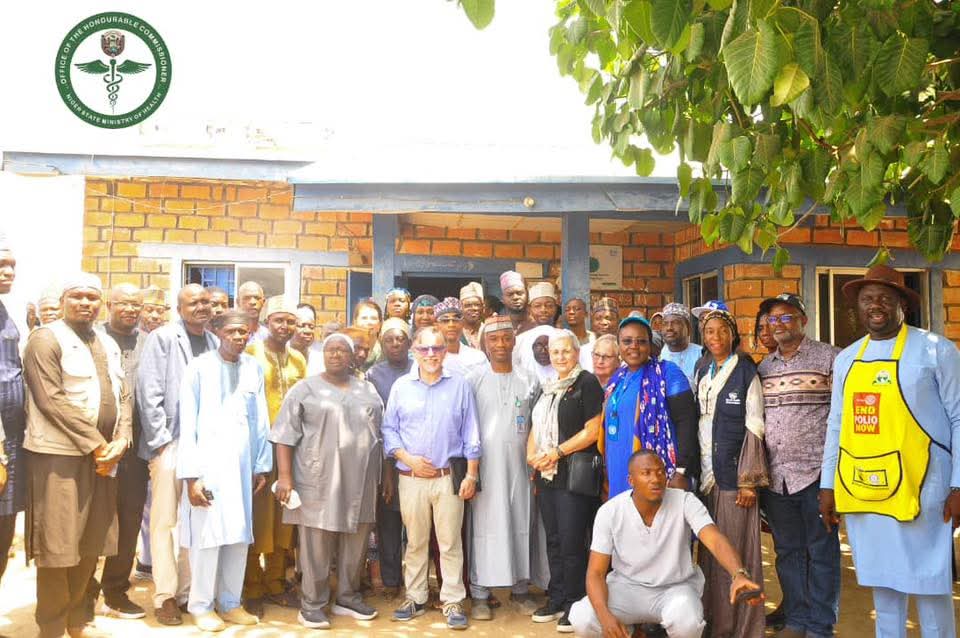
The meeting, which brought together state health authorities, the World Health Organization and UNICEF, exposed persistent gaps in coverage.
Officials admitted that some children remain unvaccinated, with inaccurate population figures and inconsistent field reports making it difficult to track actual vaccination numbers.
Executive Director of the Niger State Primary Health Care Development Agency, Dr Inuwa Junaidu, acknowledged that limited and unevenly distributed manpower is compounding the problem, especially in hard-to-reach areas where long distances and poor infrastructure already discourage families from turning up.
For many parents in these remote communities, access remains a daily struggle. Lack of awareness in some places further reduces turnout during immunisation days.
To close the gaps, health officials have begun involving traditional and community leaders in the selection of local vaccinators – a move they say is building trust and lowering resistance where it previously existed.
Commissioner for Health, Dr Murtala Mohammad Bagana, said the state government is taking greater ownership of its programmes and improving coordination with partners to strengthen the response.
Experts at the meeting warned that unless these challenges are tackled urgently, the goal of completely eliminating polio could be delayed, particularly in underserved communities where disease surveillance remains weak.
They also called for stronger collaboration across state borders, noting that population movement continues to complicate tracking and vaccination efforts.
Despite the difficulties, officials insist measurable progress is being recorded. They stress, however, that reaching every last child will demand better data systems, stronger logistics and sustained community engagement.
