

• Home
  • Agric
  • Sci & Tech
  • Health
  • Environment
  • Hausa News
  • More
    • Business/Banking & Finance
    • Politics/Elections
    • Entertainments & Sports
    • International
    • Investigation
    • Law & Human Rights
    • Africa
    • ACCOUNTABILITY/CORRUPTION
    • Hassan Gimba
    • Column
    • Prof. Jibrin Ibrahim
    • Prof. M.K. Othman
    • Defense/Security
    • Education
    • Energy/Electricity
    • Entertainment/Arts & Sports
    • Society and Lifestyle
    • Food & Agriculture
    • Health & Healthy Living
    • International News
    • Interviews
    • Investigation/Fact-Check
    • Judiciary/Legislature/Law & Human Rights
    • Oil & Gas/Mineral Resources
    • Press Freedom/Media/PR/Journalism
    • General News
    • Presidency
  • About Us
    • Contact Us
    • Board Of Advisory
    • Privacy Policy
    • Ethics Policy
    • Teamwork And Collaboration Policy
    • Fact-Checking Policy
    • Advertising
  • Media OutReach Newswire
    • Wire News
  • The Stories
Facebook Twitter Instagram
Trending
  • OFLAD: Tinubu reiterates Nigeria’s commitment to promoting sustainable atmosphere for women and girls
  • Katsina govt partners GAT to establish gender-inclusive platform
  • Customs intercepts midnight cocaine smuggling, hands over N1bn seizure to NDLEA
  • Enugu govt surpasses national measles and rubella immunisation target
  • Rotary club lauds EFCC’s impact in tackling financial crimes 
  • ‎NiMet predicts 3-day dust haze, sunshine from Sunday ‎
  • ACS Nigeria urges adoption of green chemistry to drive sustainable development
  • Kano govt begins distribution of 54,600 rice bags
Facebook Twitter Instagram YouTube
AsheNewsAsheNews
  • Home
  • Agric

    Kano farmers receive Nigeria govt agricultural support

    February 14, 2026

    Nigeria govt targets more biofortified crops nationwide

    February 14, 2026

    Argungu Fishing Festival: Winner drives home Toyota cars, N1m

    February 14, 2026

    AfDB approves $200m loan for climate-smart agriculture in Nigeria

    February 14, 2026

    AfCFTA partners Google to train African SMEs

    February 14, 2026
  • Sci & Tech

    ACS Nigeria urges adoption of green chemistry to drive sustainable development

    February 15, 2026

    Musk’s bankers eye $18bn debt refinance amid SpaceX-xAI merger boom

    February 14, 2026

    Stakeholders urge Nigerian govt to strengthen BVAS, e-transmission

    February 14, 2026

    STEM for girls drives Nigeria’s growth

    February 13, 2026

    QNET pledges stronger compliance & consumer protection in 2026

    February 13, 2026
  • Health

    Enugu govt surpasses national measles and rubella immunisation target

    February 15, 2026

    AU pushes for manufacturing of 60% local health products by 2040

    February 14, 2026

    SWAN provides free medical outreach in Sauka community

    February 14, 2026

    CS-SUNN urges Adamawa to invest N9bn in child nutrition

    February 14, 2026

    Discrimination bigger burden than disability – Parents

    February 14, 2026
  • Environment

    ‎NiMet predicts 3-day dust haze, sunshine from Sunday ‎

    February 15, 2026

    Traders seek fair enumeration after Lagos fire

    February 13, 2026

    KADGIS cautions against customary land titles

    February 11, 2026

    Lagos LGAs boost waste policing – LAWMA

    February 11, 2026

    Kaduna fire service records 57 incidents in January

    February 11, 2026
  • Hausa News

    Anti-quackery task force seals 4 fake hospitals in Rivers

    August 29, 2025

    [BIDIYO] Yadda na lashe gasa ta duniya a fannin Ingilishi – Rukayya ‘yar shekara 17

    August 6, 2025

    A Saka Baki, A Sasanta Saɓani Tsakanin ‘Yanjarida Da Liman, Daga Muhammad Sajo

    May 21, 2025

    Dan majalisa ya raba kayan miliyoyi a Funtuwa da Dandume

    March 18, 2025

    [VIDIYO] Fassarar mafalki akan aikin Hajji

    January 6, 2025
  • More
    1. Business/Banking & Finance
    2. Politics/Elections
    3. Entertainments & Sports
    4. International
    5. Investigation
    6. Law & Human Rights
    7. Africa
    8. ACCOUNTABILITY/CORRUPTION
    9. Hassan Gimba
    10. Column
    11. Prof. Jibrin Ibrahim
    12. Prof. M.K. Othman
    13. Defense/Security
    14. Education
    15. Energy/Electricity
    16. Entertainment/Arts & Sports
    17. Society and Lifestyle
    18. Food & Agriculture
    19. Health & Healthy Living
    20. International News
    21. Interviews
    22. Investigation/Fact-Check
    23. Judiciary/Legislature/Law & Human Rights
    24. Oil & Gas/Mineral Resources
    25. Press Freedom/Media/PR/Journalism
    26. General News
    27. Presidency
    Featured
    Recent

    OFLAD: Tinubu reiterates Nigeria’s commitment to promoting sustainable atmosphere for women and girls

    February 15, 2026

    Katsina govt partners GAT to establish gender-inclusive platform

    February 15, 2026

    Customs intercepts midnight cocaine smuggling, hands over N1bn seizure to NDLEA

    February 15, 2026
  • About Us
    1. Contact Us
    2. Board Of Advisory
    3. Privacy Policy
    4. Ethics Policy
    5. Teamwork And Collaboration Policy
    6. Fact-Checking Policy
    7. Advertising
    Featured
    Recent

    OFLAD: Tinubu reiterates Nigeria’s commitment to promoting sustainable atmosphere for women and girls

    February 15, 2026

    Katsina govt partners GAT to establish gender-inclusive platform

    February 15, 2026

    Customs intercepts midnight cocaine smuggling, hands over N1bn seizure to NDLEA

    February 15, 2026
  • Media OutReach Newswire
    • Wire News
  • The Stories
AsheNewsAsheNews
Home»Column»AREMU FAKUNLE (PhD)»Why loan repayment matters and how it affects every Nigerian, By Aremu Fakunle (PhD)
AREMU FAKUNLE (PhD)

Why loan repayment matters and how it affects every Nigerian, By Aremu Fakunle (PhD)

EditorBy EditorFebruary 10, 2026Updated:February 10, 2026No Comments4 Mins Read
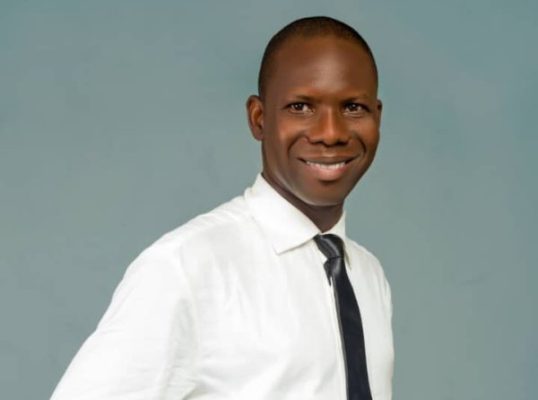
Dr. Aremu Fakunle
Dr. Aremu Fakunle
Share
Facebook Twitter LinkedIn Pinterest Email

Many people ask why bank loans in Nigeria are expensive, difficult to access or short-term. One of the major reasons is loan repayment. When loans are not repaid, banks become more cautious, interest rates rise, and fewer people get access to credit. This is not just a banking issue. It affects traders, workers, small business owners and the wider economy.

What does loan repayment mean?

Loan repayment simply means paying back borrowed money as agreed, usually in monthly installments. When borrowers repay on time, banks are able to lend again to other people.

When many borrowers do not repay, banks lose money. To protect themselves, they increase interest rates, tighten loan conditions or stop lending altogether.

ALSO READ Inside Nigeria’s loan recovery problem and pathways to reform, By Aremu Fakunle (PhD)

Why is loan repayment a big problem in Nigeria?

Loan repayment is difficult in Nigeria mainly because of how the system works.

First, consequences for non-payment are often weak. Loan disputes can take years in court. In many cases, nothing happens for a long time when someone stops paying. When people see this, some conclude that repayment is optional.

Second, some loans are poorly designed. People are sometimes given loans that do not match their income or business reality. When repayment becomes impossible, default follows.

Third, collateral does not always work. Although banks ask for land, buildings or other assets, selling these assets after default is often slow and complicated. This reduces their usefulness.

Finally, repeated loan rescheduling has created expectations. Many borrowers believe that if they stop paying, the bank will simply renegotiate rather than enforce repayment.

All these factors weaken repayment culture.

How does this affect ordinary Nigerians?

Even if you have never taken a loan, poor loan repayment affects you as:

  • Interest rates become higher than they should be
  • Small businesses struggle to access credit
  • Loan tenors are short, and this makes growth difficult
  • Banks prefer lending to a few large clients instead of many small ones

In simple terms, when repayment is weak, credit becomes scarce and expensive.

What do other countries do differently?

In many countries, not repaying a loan has clear and lasting consequences.

A person’s credit history follows them everywhere. If they default, getting another loan, renting a house, or even signing some service contracts becomes difficult. Because the consequences are clear and predictable, most people try hard to repay.

The focus is not punishment. It is making repayment the easiest option.

What is Nigeria doing to improve repayment?

Nigeria has introduced tools to strengthen repayment.

One is the Global Standing Instruction, which allows banks to recover unpaid loans from a borrower’s bank accounts. Another is the collateral registry, which records assets used to secure loans.

These tools help, but they work best when people earn a regular income through banks and when loans are well designed from the start.

How can technology help?

Technology can help banks act early instead of waiting for default.

Banks can use data to check whether someone can realistically repay before giving a loan. They can also monitor repayment patterns and reach out early when problems start.

Early action is better for both the borrower and the bank.

What needs to change for everyone to benefit?

Three simple changes can make a big difference.

First, loan repayment must have clear consequences that apply to everyone equally.

Second, loans should be designed around real income, not hope or connections.

Third, people who repay on time should be rewarded with lower interest rates and easier access to future loans.

When good behavior is rewarded and bad behavior has consequences, trust improves.

The bottom line

Loan repayment is not just a bank problem. It affects interest rates, business growth and job creation.

A system that rewards repayment and discourages default will make loans cheaper, more available and more useful for ordinary Nigerians.

When repayment improves, everyone benefits.

Dr. Aremu Fakunle John is a Senior Agricultural Economist, Management consultant and Public Policy Expert whose work spans climate-smart agriculture, nutrition, sustainable business and development economics. He is based in Abuja and can be reached via fakunle2014@gmail.com +2348063284833 

Loan repayments
Share. Facebook Twitter Pinterest LinkedIn WhatsApp Reddit Tumblr Email
Editor
  • Website

Related Posts

Inside Nigeria’s loan recovery problem and pathways to reform, By Aremu Fakunle (PhD)

February 8, 2026

AGOA reauthorized to 2026: A Nigeria-led strategy for export growth in an uncertain trade era, By Aremu Fakunle John (PhD)

February 5, 2026

Unlocking opportunities in bambara nut for Nigeria’s food, climate and economic development, By Aremu Fakunle (PhD)

January 25, 2026

Leave A Reply Cancel Reply

OFLAD: Tinubu reiterates Nigeria’s commitment to promoting sustainable atmosphere for women and girls

February 15, 2026

Katsina govt partners GAT to establish gender-inclusive platform

February 15, 2026

Customs intercepts midnight cocaine smuggling, hands over N1bn seizure to NDLEA

February 15, 2026

Enugu govt surpasses national measles and rubella immunisation target

February 15, 2026
About Us
About Us

ASHENEWS (AsheNewsDaily.com), published by PenPlus Online Media Publishers, is an independent online newspaper. We report development news, especially on Agriculture, Science, Health and Environment as they affect the under-reported rural and urban poor.

We also conduct investigations, especially in the areas of ASHE, as well as other general interests, including corruption, human rights, illicit financial flows, and politics.

Contact Info:
  • 1st floor, Dogon Daji House, No. 5, Maiduguri Road, Sokoto
  • +234(0)7031140009
  • ashenewsdaily@gmail.com
Facebook Twitter Instagram Pinterest
© 2026 All Rights Reserved. ASHENEWS Daily Designed & Managed By DeedsTech

Type above and press Enter to search. Press Esc to cancel.