


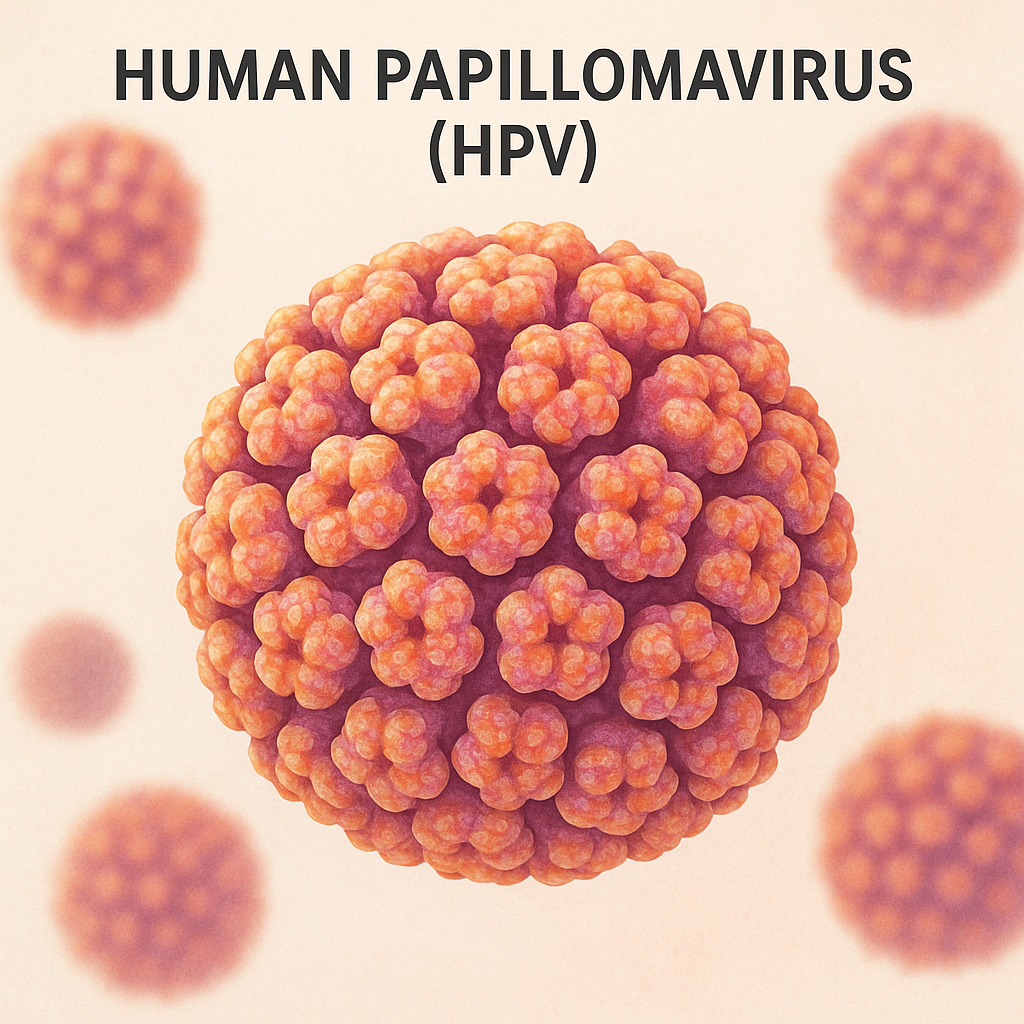
A study by researchers at the Federal University Teaching Hospital, Lafia, has found that marital status does not significantly influence the risk of Human Papillomavirus (HPV) infection or cervical dysplasia among Nigerian women.
Mr. Odeh Agabi, a Biomedical Laboratory Scientist, disclosed the findings to reporters on Tuesday in Abuja, highlighting their implications for cervical cancer screening practices and national health policy.
The study, titled “Predictive Roles of Marital Status in Human Papillomavirus Infection and Cervical Dysplasia,” involved 75 women aged 18 and above who were screened using Visual Inspection with Acetic Acid (VIA), Pap smear, and HPV testing.
Agabi said results showed that 10.7 per cent of participants had cervical dysplasia, while 12 per cent tested positive for HPV infection during the hospital-based screening exercise in Lafia.
He noted that married women recorded a slightly higher prevalence of cervical dysplasia at 11.5 per cent, compared with 7.7 per cent among single women. Conversely, HPV infection was marginally higher among single women at 14.3 per cent, compared with 11.5 per cent among married participants. These findings suggest similar exposure risks across marital categories nationwide.
Statistical analysis indicated that marital status was not a significant predictor of HPV infection or cervical dysplasia, highlighting that behavioral and biological factors play stronger roles in disease transmission.
Agabi expressed concern that 86.7 per cent of respondents had never undergone cervical cancer screening before participating in the study, underscoring major gaps in awareness and access to preventive reproductive health services in Nigeria.
The study also identified risk factors including early sexual debut, previous sexually transmitted infections, multiple sexual partners, high parity, polygamous marriages, and HIV positivity among some participants. Notably, 37.5 per cent of women with cervical dysplasia tested positive for high-risk HPV strains, reinforcing the established link with cervical cancer development documented globally.
Agabi called for expanded HPV-based screening, routine checks for sexually active women, wider vaccination rollout, and sustained public awareness campaigns to reduce Nigeria’s cervical cancer burden.
He noted that the findings align with other Nigerian studies showing that HPV infection affects women across all marital groups, urging policymakers to prioritize increased screening uptake to prevent avoidable cervical cancer deaths.
A separate study in Southern Nigeria reported slightly higher HPV prevalence among single, widowed, or divorced women, but researchers said these variations did not alter the overall trend of HPV exposure across marital categories.
Experts emphasized that cervical cancer prevention strategies should target all sexually active women through regular screening and HPV vaccination. Nigeria remains among countries with the highest cervical cancer burden globally, despite the disease being largely preventable through vaccination, early detection, awareness campaigns, and improved access to screening services.
