


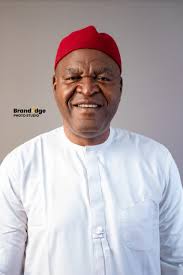
Chief Mike Ozoemena, Managing Director of the Anambra State Waste Management Agency (ASWAMA), says the state is aiming to rank among the three cleanest states in Nigeria.
Ozoemena stated this in Awka on Thursday while reviewing the agency’s activities over the past 12 months.
He said the state had adopted a decentralized waste management system in which Local Government Councils oversee waste disposal within their jurisdictions, while the Ministry of Environment and ASWAMA provide coordination.
According to him, the administration of Gov. Chukwuma Soludo began its environmental reforms with the cleanup of Okpoko in Ogbaru Local Government Area and the desilting of drainage across Onitsha metropolis. He noted that the next phase was to sustain a clean and healthy environment.
Ozoemena described the task of keeping Anambra clean as challenging due to the urban nature of many towns.
“The Governor has said we are shifting into gear three. Here in ASWAMA, we are moving into the fast lane, and our target is to become the third cleanest state in Nigeria, if not number one.
“Mr Governor started with Okpoko on March 18, 2022, with a committee led by the deputy governor. The Ochanja market area, which used to be a mountain of refuse, was transformed into a clean, flowing environment.
“We decentralized the waste management system, giving Local Government Councils full responsibility for waste management in their domains, while the ministry and ASWAMA coordinate,” he said.
Ozoemena added that the state was holding discussions with three companies for possible collaboration on bioenergy and waste-to-wealth projects due to their capital-intensive nature.
He noted that Anambra generates over 4,000 metric tonnes of waste daily—an amount significant enough to power an energy-generating plant.
The MD said the agency would intensify efforts in high waste-generation areas, particularly Eke Awka market, which he described as a persistent challenge.
He also warned residents against paying sanitation levies in cash to anyone, stressing that all payments must be made into designated state government accounts, with official receipts issued.
“Anybody who asks you to pay ASWAMA in cash is a thief. We did not send them. We only collect levies through approved state bank accounts,” he said.
