


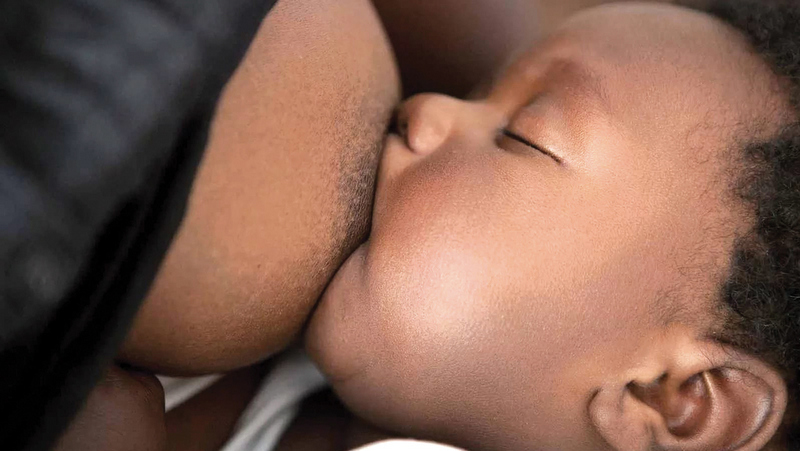
The 2025 World Breastfeeding Week was officially flagged off in Minna on Tuesday, with a renewed call for stronger support systems for exclusive breastfeeding across Niger State. UNICEF and other key stakeholders used the occasion to urge governments at all levels to fully implement maternity-friendly policies that protect and support nursing mothers.
Speaking at the flag-off ceremony, held in collaboration with the Niger State Ministry of Primary Healthcare, the Chief of UNICEF’s Kaduna Field Office, Dr. Gerida Birukila—represented by Health Specialist Dr. Ahmed Tsofo—described the current breastfeeding statistics as worrying.
“Nationally, the exclusive breastfeeding rate stands at 34 percent, but here in Niger State, it’s still as low as 15.7 percent,” he noted. “That’s why we’re advocating for the full implementation of the six-month maternity leave policy.”
Dr. Tsofo commended Niger State for being among the 10 states in Nigeria that have approved six months of paid maternity leave—a move he described as crucial for improving child nutrition and maternal health.
“We’re providing support at all levels of government. Once the policy is fully applied and enforced, we believe it will help raise the state’s breastfeeding indicators significantly,” he added.
In the spirit of the awareness week, UNICEF’s U-Report Team Lead, Aisha Ndagi, led a sensitization campaign in Tunga ward, educating mothers on the long-term health and developmental benefits of exclusive breastfeeding.
“Our goal is to ensure that women understand how exclusive breastfeeding for the first six months benefits both mother and child in profound ways,” she said.
As the week progresses, UNICEF is intensifying its call for more Nigerian states to adopt and enforce breastfeeding-friendly workplace and health policies, stressing that breastfeeding is not just a personal choice but a public health and national development priority.
Anna Moses
