


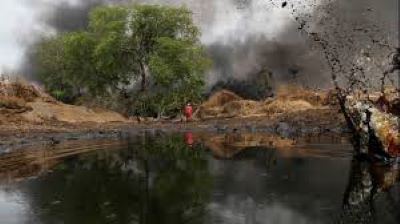
A total of 732 oil spills were recorded in Nigeria between January and July 2024, with sabotage emerging as the leading cause, accounting for 67.29% of the cases, according to data from the Nigerian Upstream Petroleum Regulatory Commission (NUPRC).
The data, analysed by Statisense, reveals that sabotage alone was responsible for 485 incidents of oil spills. Another 175 incidents (24.28%) were yet to be attributed to any specific cause, falling under the “Not Yet Determined” category.
Other causes included equipment failure (29 incidents or 4.02%), corrosion (19 incidents or 2.64%), operational or maintenance errors (18 incidents or 2.50%), and a few unusual events such as natural accidents (2 incidents), mystery spills (3 incidents), and a single blowout (0.14%).
The figures highlight ongoing challenges in securing oil infrastructure in the country’s oil-producing regions, despite efforts by regulatory authorities and security agencies.
Experts say the high number of sabotage-related incidents underscores the need for increased surveillance, community engagement, and stricter enforcement of pipeline protection laws.
