

• Home
  • Agric
  • Sci & Tech
  • Health
  • Environment
  • Hausa News
  • More
    • Business/Banking & Finance
    • POLITICS
    • Entertainments & Sports
    • International
    • Investigation
    • Law & Human Rights
    • Africa
    • ACCOUNTABILITY/CORRUPTION
    • Hassan Gimba
    • Column
    • Prof. Jibrin Ibrahim
    • Prof. M.K. Othman
    • Defense/Security
    • Education
    • Energy/Electricity
    • Entertainment/Arts & Sports
    • Society and Lifestyle
    • Food & Agriculture
    • Health & Healthy Living
    • International News
    • Interviews
    • Investigation/Fact-Check
    • LAW & HUMAN RIGHTS
    • Oil & Gas/Mineral Resources
    • PRESS FREEDOM/JOURNALISM/PR
    • General News
    • Presidency
  • About Us
    • Contact Us
    • Board Of Advisory
    • Privacy Policy
    • Ethics Policy
    • Teamwork And Collaboration Policy
    • Fact-Checking Policy
    • Advertising
  • Media OutReach Newswire
    • Wire News
  • The Stories
Facebook Twitter Instagram
Trending
  • Barau’s agricultural revolution bill scales second reading in Senate
  • Nigeria’s fiscal deficits emerge as key threat to naira stability — CBN study
  • GIZ urges stronger institutions to sustain farm innovations
  • EMSON seeks more specialists, affordable medicines
  • NOTAP pushes local skills in manufacturing
  • Advocate seeks better SGBV support for people with disabilities
  • Tinubu seeks Senate approval for fresh N10.79trn foreign loan
  • State Police: 30 states approve as NASS transmits bill to Tinubu [FULL LIST]
Facebook Twitter Instagram YouTube
AsheNewsAsheNews
  • Home
  • Agric

    Barau’s agricultural revolution bill scales second reading in Senate

    November 4, 2026

    GIZ urges stronger institutions to sustain farm innovations

    November 4, 2026

    SAA develops crop innovation packages

    November 4, 2026

    Kano says cattle routes cut farmer-herder clashes

    November 4, 2026

    Farmers warn of livestock crisis as costs soar

    November 4, 2026
  • Sci & Tech

    NOTAP pushes local skills in manufacturing

    November 4, 2026

    Nigeria targets 1,000 new CNG stations

    November 4, 2026

    GIGM expands into air travel, tourism

    November 4, 2026

    Google makes AI an all-or-nothing choice for schools

    November 4, 2026

    Bitget wallet launches virtual card in Nigeria

    November 3, 2026
  • Health

    EMSON seeks more specialists, affordable medicines

    November 4, 2026

    Advocate seeks better SGBV support for people with disabilities

    November 4, 2026

    Scientist warns Nigerians as lassa fever season nears

    November 4, 2026

    Neurosurgeon warns against hitting children on the head

    November 4, 2026

    Ebonyi spends N3.7bn on health insurance interventions

    November 4, 2026
  • Environment

    UNEP: Adaptation finance covers less than a third of developing countries’ climate needs

    November 4, 2026

    WHO says 6 climate actions could save 1.6m lives, generate $9.3trn yearly

    November 4, 2026

    Calabar waterways to be cleared in flood-reduction push

    November 4, 2026

    OGFTZ infrastructure supports 35,000 jobs

    November 3, 2026

    MTN invests N826m in solar, EV infrastructure

    November 2, 2026
  • Hausa News

    UNA signs MoU to launch air Bissau in Guinea-Bissau

    June 15, 2026

    Otti plans 250-room 5-star hotel in Umuahia

    April 11, 2026

    Anti-quackery task force seals 4 fake hospitals in Rivers

    August 29, 2025

    [BIDIYO] Yadda na lashe gasa ta duniya a fannin Ingilishi – Rukayya ‘yar shekara 17

    August 6, 2025

    A Saka Baki, A Sasanta Saɓani Tsakanin ‘Yanjarida Da Liman, Daga Muhammad Sajo

    May 21, 2025
  • More
    1. Business/Banking & Finance
    2. POLITICS
    3. Entertainments & Sports
    4. International
    5. Investigation
    6. Law & Human Rights
    7. Africa
    8. ACCOUNTABILITY/CORRUPTION
    9. Hassan Gimba
    10. Column
    11. Prof. Jibrin Ibrahim
    12. Prof. M.K. Othman
    13. Defense/Security
    14. Education
    15. Energy/Electricity
    16. Entertainment/Arts & Sports
    17. Society and Lifestyle
    18. Food & Agriculture
    19. Health & Healthy Living
    20. International News
    21. Interviews
    22. Investigation/Fact-Check
    23. LAW & HUMAN RIGHTS
    24. Oil & Gas/Mineral Resources
    25. PRESS FREEDOM/JOURNALISM/PR
    26. General News
    27. Presidency
    Featured
    Recent

    Barau’s agricultural revolution bill scales second reading in Senate

    November 4, 2026

    Nigeria’s fiscal deficits emerge as key threat to naira stability — CBN study

    November 4, 2026

    GIZ urges stronger institutions to sustain farm innovations

    November 4, 2026
  • About Us
    1. Contact Us
    2. Board Of Advisory
    3. Privacy Policy
    4. Ethics Policy
    5. Teamwork And Collaboration Policy
    6. Fact-Checking Policy
    7. Advertising
    Featured
    Recent

    Barau’s agricultural revolution bill scales second reading in Senate

    November 4, 2026

    Nigeria’s fiscal deficits emerge as key threat to naira stability — CBN study

    November 4, 2026

    GIZ urges stronger institutions to sustain farm innovations

    November 4, 2026
  • Media OutReach Newswire
    • Wire News
  • The Stories
AsheNewsAsheNews
Home»Health & Healthy Living»WHO supports countries in mitigating health impacts of funding cuts
Health & Healthy Living

WHO supports countries in mitigating health impacts of funding cuts

EditorBy EditorApril 11, 2025Updated:April 11, 2025No Comments4 Mins Read
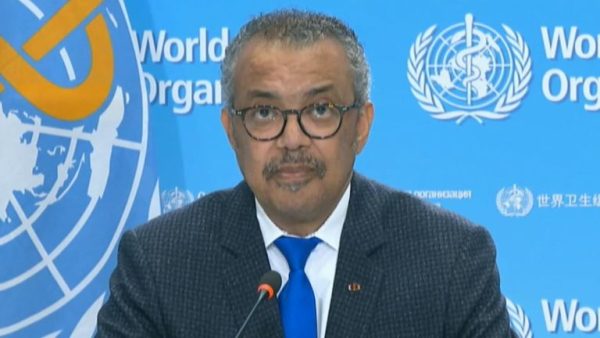
WHO, Tedros
Share
Facebook Twitter LinkedIn Pinterest Email

The World Health Organisation (WHO) has pledged support to countries in their efforts to mitigate the health impacts caused by sudden and unplanned funding cuts.

WHO’s Director-General, Dr Tedros Ghebreyesus made this announcement on Thursday during an online media conference on global health issues.

“At our last briefing, I discussed the impact of recent funding cuts on global health.

“Since then, WHO has compiled feedback from more than 100 countries to better understand the impact and the support these countries need to address it,”Ghebreyesus said.

He said that the results revealed severe disruptions to health services in nearly three-quarters of the countries surveyed, with one-quarter reporting the closure of health facilities.

He said additionally, WHO reported an increase in out-of-pocket payments for healthcare services in a quarter of the countries.

“We are seeing job losses for health and care workers, disruptions to information systems, and shortages of medicines and health products.

“In response, countries are revising budgets, cutting costs, and strengthening fundraising and partnerships.”

He said that WHO had been working with countries for many years to support their transition from aid dependency to sustainable self-reliance based on domestic resources.

Ghebreyesus said for example, South Africa’s parliament had approved an additional 1.5 billion dollars for its 2025 health budget.

“Nigeria has allocated an additional 200 million dollars to health in its 2025 budget, and Kenya’s health ministry has requested an additional 250 million dollars from the National Treasury to support health services.

“Additionally, Ghana is also taking steps to bridge its financing gap in the health sector,” he said.

Ghebreyesus mentioned that countries were requesting WHO’s assistance with innovative fundraising and specialised technical support, and that the organisation was doing its utmost to fulfil these needs.

He outlined several key principles that WHO advised countries to follow in these challenging times.

“Prioritise the poorest and prevent exposure to impoverishing out-of-pocket health spending.

“Protect health budgets and resist reductions in public health spending.

“Channel donor funds through national budgets, ensuring alignment with national priorities and using a unified approach of “one plan, one budget, one report.

“Avoid cutting services or closing facilities by absorbing impacts through efficiency gains in health systems, such as improving procurement, minimising overheads, and pooling purchases.”

Ghebreyesus also mentioned tools countries could use to generate new sources of revenue.

In the short term, he suggested introducing or increasing taxes on health-harming products such as tobacco, alcohol, and sugary drinks.

“Countries like Colombia, The Gambia, the Philippines, South Africa, Sri Lanka, Timor Leste, and Thailand have introduced such taxes in recent years, seeing a decrease in consumption and an increase in revenues.”

In the longer term, Ghebreyesus recommended that countries without social or community-based health insurance should introduce it.

“This system allows individuals or families to contribute small amounts to a fund that finances health services.”

He acknowledged that these measures might not be suitable for every country, especially those with weak tax collection or large informal sectors.

Ghebreyesus said these countries would need substantial loans from development banks at concessional rates, and WHO was collaborating with them to develop the most suitable solutions.

In early April, WHO convened more than 350 experts from 15 countries to test a new initiative aimed at deploying and connecting health expertise during emergencies.

It said the two-day simulation, called Exercise Polaris, tested WHO’s Global Health Emergency Corps, a framework designed to strengthen countries’ emergency health workforces and enhance international collaboration during health crises.

“The exercise simulated an outbreak of a fictional virus spreading globally and provided a rare opportunity for governments to test their preparedness in a realistic setting.”

Ghebreyesus noted that the exercise showed successful rapid information sharing and surge responses but highlighted areas in need of improvement, such as strengthening connections between technical leaders.

“This exercise reaffirmed the need for all countries to continue investing in their emergency health workforce and scalable mechanisms that can rapidly expand during crises,” he said.

On April 10, WHO also issued its first-ever guidelines for the diagnosis, treatment, and care of meningitis.

“With an estimated 2.5 million cases worldwide each year, meningitis can be caused by various viruses, bacteria, fungi, and parasites.

“The most dangerous form, bacterial meningitis, has a fatality rate of one in six and can cause lifelong disabilities in survivors.

“These new guidelines will help save lives, improve long-term care, and strengthen health systems.

“They also contribute to the global plan to defeat meningitis by 2030,” Ghebreyesus said.

NAN

Funding cuts Healthcare WHO
Share. Facebook Twitter Pinterest LinkedIn WhatsApp Reddit Tumblr Email
Editor
  • Website

Related Posts

EMSON seeks more specialists, affordable medicines

November 4, 2026

Advocate seeks better SGBV support for people with disabilities

November 4, 2026

Scientist warns Nigerians as lassa fever season nears

November 4, 2026

Leave A Reply Cancel Reply

Barau’s agricultural revolution bill scales second reading in Senate

November 4, 2026

Nigeria’s fiscal deficits emerge as key threat to naira stability — CBN study

November 4, 2026

GIZ urges stronger institutions to sustain farm innovations

November 4, 2026

EMSON seeks more specialists, affordable medicines

November 4, 2026
About Us
About Us

ASHENEWS (AsheNewsDaily.com), published by PenPlus Online Media Publishers, is an independent online newspaper. We report development news, especially on Agriculture, Science, Health and Environment as they affect the under-reported rural and urban poor.

We also conduct investigations, especially in the areas of ASHE, as well as other general interests, including corruption, human rights, illicit financial flows, and politics.

Contact Info:
  • 1st floor, Dogon Daji House, No. 5, Maiduguri Road, Sokoto
  • +234(0)7031140009
  • ashenewsdaily@gmail.com
Facebook Twitter Instagram Pinterest
© 2026 All Rights Reserved. ASHENEWS Daily Designed & Managed By DeedsTech

Type above and press Enter to search. Press Esc to cancel.