


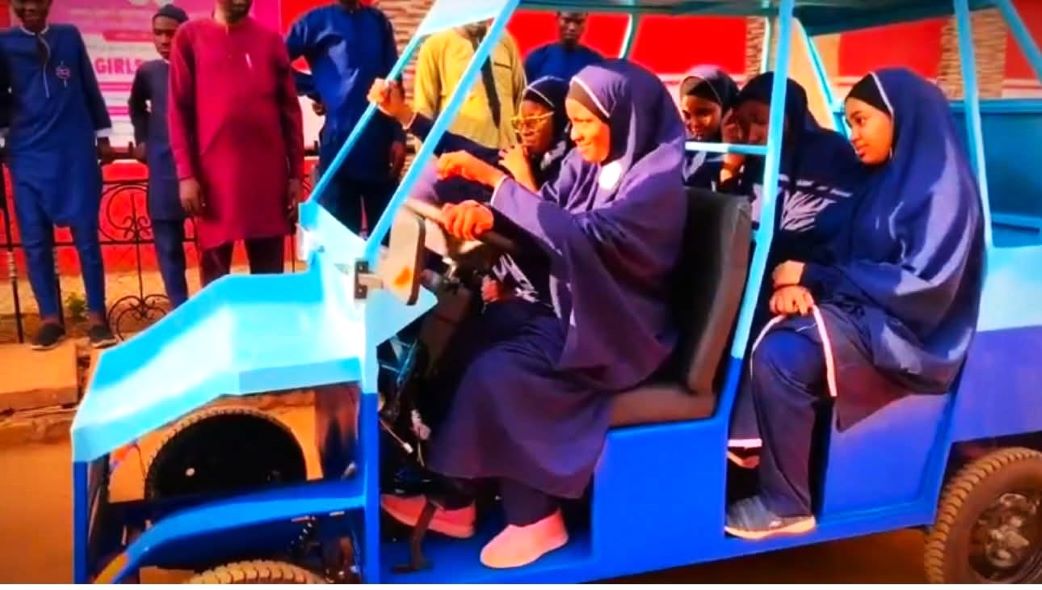
In Nigeria’s northwest, the state of Sokoto is frequently mentioned in discussions about educational disparities. Yet, tucked within its modest skyline lies a quiet revolution—sparked not in a high-tech lab or university research center, but in the minds of 15 spirited teenagers from Brilliant Footsteps International Academy, who built a BMT 1.0 EV.
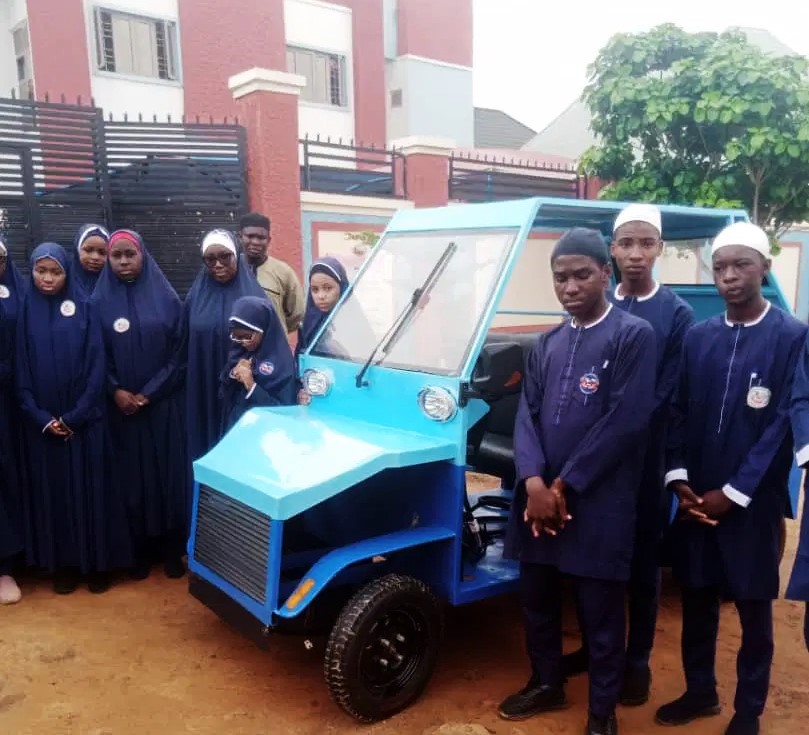
Their invention? A fully functional electric vehicle—a sleek, silent machine built not with privilege, but with passion. Ten girls and five boys, all in their third year of secondary school, came together with one shared ambition: to prove that innovation doesn’t need a big name, just a bold vision.
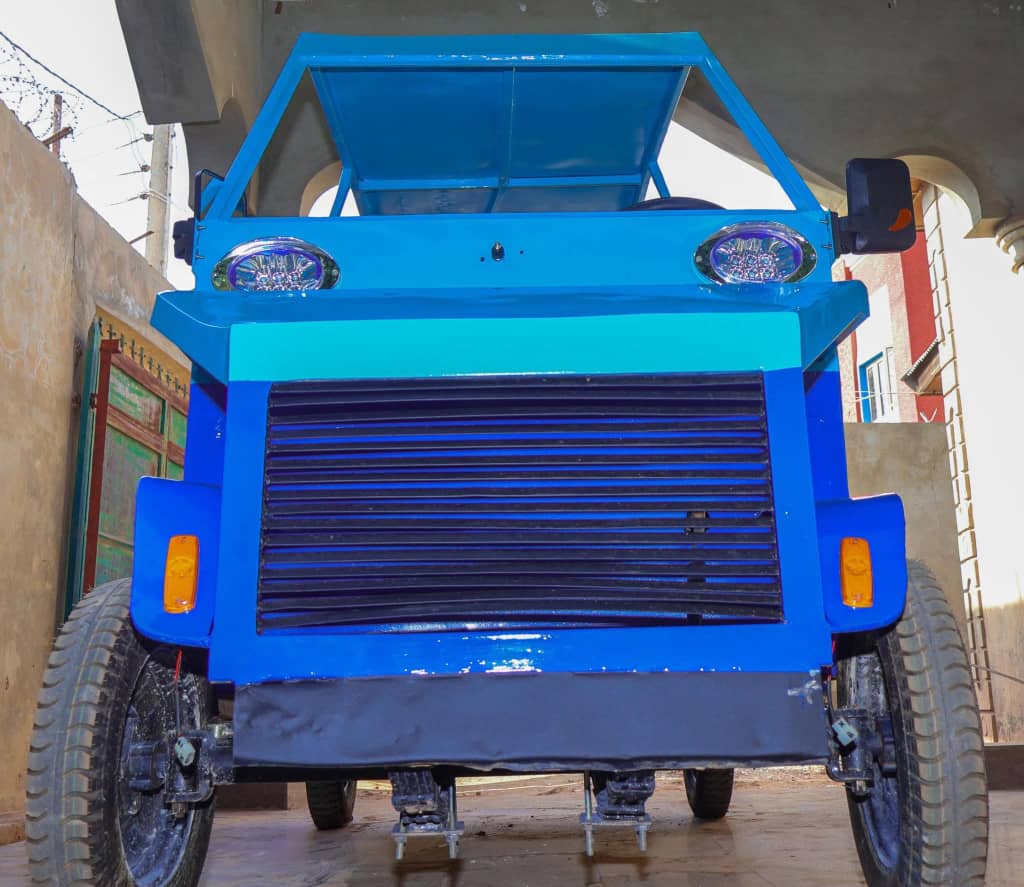
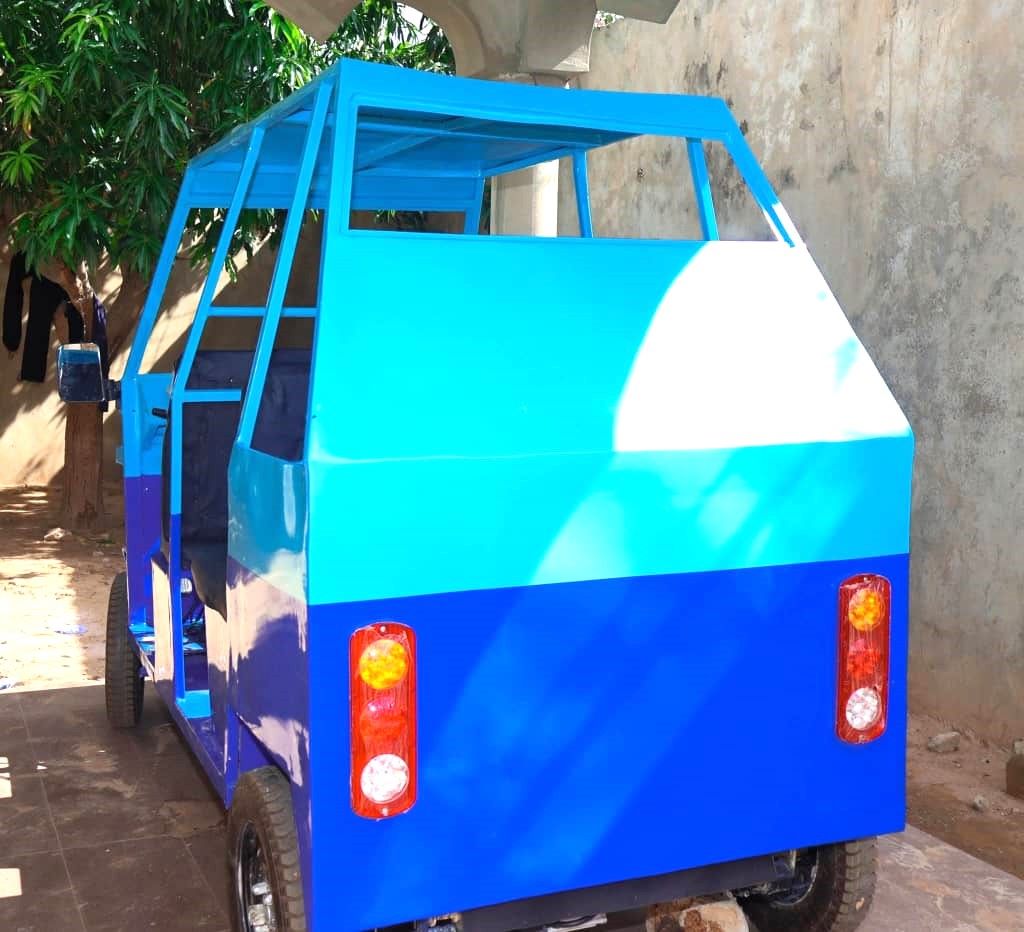
Combining three core engineering systems: mechanical framework, electrical configuration, and body design, they called it BMT 1.0 EV, and it runs on grit, learning, and a spark of green hope.
Powering the dream
The vehicle boasts a 72-volt charging system, with a 32-AMP input, taking five hours to reach full charge. Once powered, it can glide up to a 50-kilometre range on a single charge—quietly, efficiently, and emissions-free. It runs on an electric motor, equipped with a rear brake system, and is regulated by a Battery Management System (BMS) that safeguards against battery hazards.
The shell of the car—crafted from locally sourced metal sheets—was hand-fabricated and painted in Sokoto. Even the windscreen installation was done by local artisans, proving that homegrown solutions can fuel futuristic visions.
“This isn’t just a project’s a message. It proves that with the right mindset and support, our youth can reshape the narrative of innovation in Africa,” Dr. Shadi Sabeh, Proprietor and General Manager of the Academy, said. “The public and private sector collaboration to identify and support young innovators is imperative. This project should inspire a long-term national policy on innovation incubation at the school level.”
The team lead, Ayman Shadi, explained that each student contributed to specific technical areas – wiring, chassis fabrication, power integration and software testing.
A female student, Aisha Ahmed, noted the broader potential of the project, stressing:
“The steering turns 360 degrees and controls both front tires at once. If nurtured and improved, this could drastically cut transport costs, reduce environmental damage, and help curb Nigeria’s dependence on imported vehicles.”
Describing the BMT 1.0 as a symbol of what is possible when innovation is locally driven and environmentally conscious, Aisha said there is a growing urgency for Africa to embrace green technologies.
From classroom to workshop
Their journey wasn’t without hurdles. For many of the students, mechanical engineering concepts were foreign territory. Terms like “motor coupling,” “torque,” and “steering synchrony” sounded like science fiction. Yet, guided by experts from Maglush Electric Vehicles and powered by over five years of STEM exposure, the students overcame every challenge together.
But eventually, with steady hands and stubborn hearts, they cracked it.
Fueled by vision, not venture capital
What sets this story apart is that no external funding or partnership fueled the project. The school, seeing the hunger in its students’ eyes, footed the entire bill, hiring external consultants, purchasing materials, and standing firmly behind the young inventors.
While some schools wait for donors, Brilliant Footsteps International Academy built a legacy with bare hands and bold dreams.
Today, the project is gaining national attention. Talks are underway with the Federal Ministry of Education, the Sokoto State Government, and the IRS Group to expand and refine the innovation. The students plan to enter national and international competitions, and yes, they’re not ruling out commercialization.
Lessons from the garage
When asked how close their final product was to their original vision, the answer was unanimous: “Much bigger than we ever imagined.”
Throughout the project, the teens shared tasks, built as a team, and marveled at technology in real time. One of the students put it best:
“Watching batteries move a car—without fuel—was eye-opening. And the silence! We understood then what a green future could feel like.”
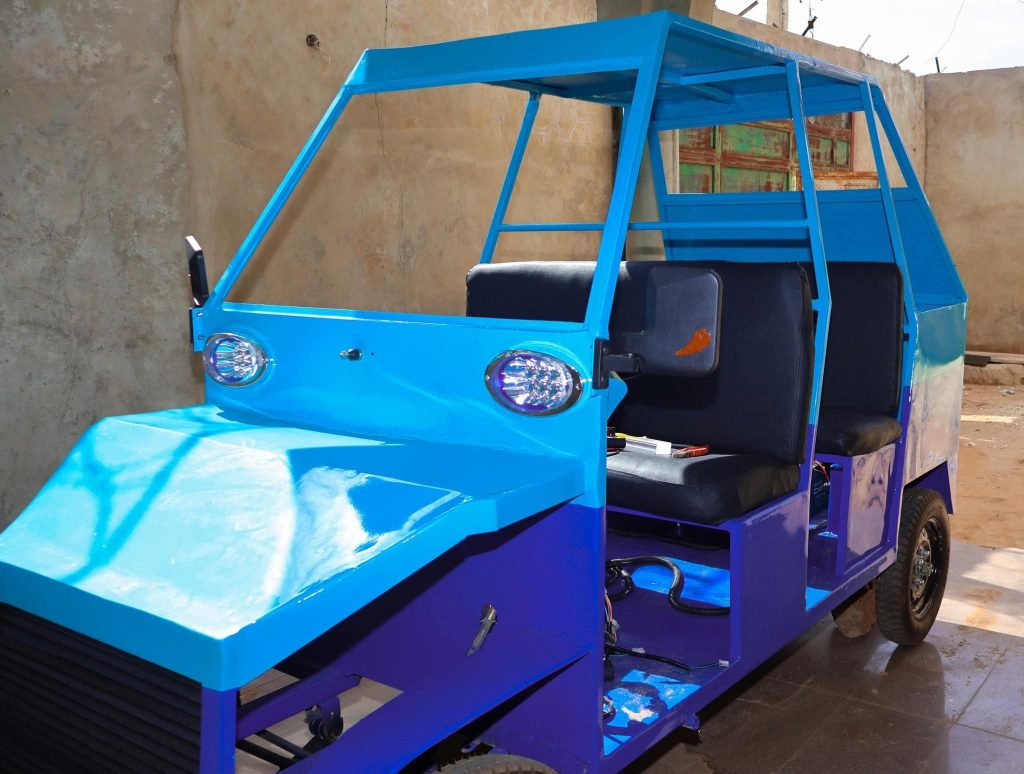
Now, 70% of the team dreams of careers in engineering, robotics, or green tech. If given more funding, they’d upgrade to lithium-ion batteries, fit a stronger motor, and refine the car’s bodywork. But for now, BMT 1.0 EV is proof that Sokoto’s streets—long seen as quiet in innovation—have roared to life with the hum of possibility.
The road ahead
This isn’t just a student project. It’s a blueprint.
It’s a call to governments, investors, and educators: to believe in young people and create the room, resources, and respect they need to build the future.
After all, in a dusty corner of Sokoto, 15 teenagers built an electric car. And with that, they also built a new narrative for their state, their country, and their continent.
Because, as the BMT 1.0 EV reminds us, Big things also come from small places.
