


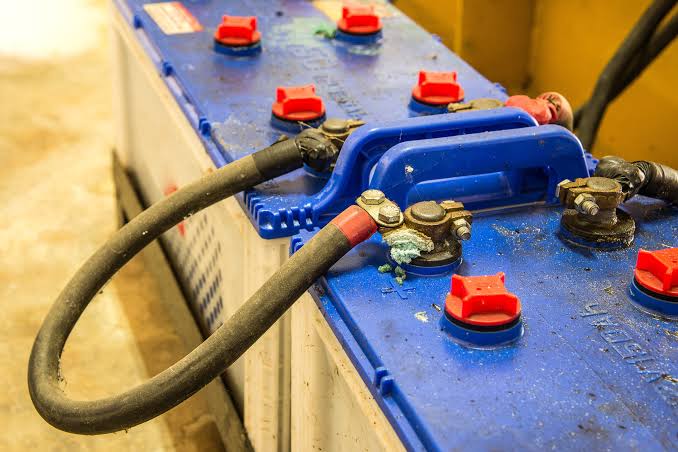
A smart energy expert, Orebiyi Godfrey, has warned Nigerians against installing lead-acid batteries in bedrooms and other poorly ventilated indoor spaces because of potential health risks.
Godfrey gave the warning in an interview with reporters in Abuja on Wednesday, urging households to adopt safer battery installation and usage practices.
He said tubular batteries commonly used in Nigeria are lead-acid batteries that could release hydrogen gas and acid fumes during charging. He added that exposure to lead-containing materials could also pose serious health risks.
“The real danger arises because these batteries are frequently installed indoors, in bedrooms, under staircases or in kitchens, due to space constraints and security concerns,” he explained.
Godfrey said lead exposure could seriously harm human health, particularly with prolonged exposure. He added that symptoms such as headaches, fatigue and memory difficulties could be subtle and easily overlooked.
He said long-term lead exposure could damage the brain, kidneys and nervous system, while children were particularly vulnerable because exposure could impair their physical growth and cognitive development.
The expert advised families, especially those with young children, to keep lead-acid batteries away from bedrooms and living spaces and install them in separate, adequately ventilated areas.
He further warned that repeatedly discharging batteries almost completely, a practice known as deep discharge, could accelerate internal deterioration and shorten their lifespan.
“Lead-acid batteries are especially sensitive, and regularly discharging them below 50 per cent causes rapid capacity loss,” he said.
Godfrey advised users to avoid routinely draining their batteries to zero per cent and to follow manufacturers’ recommended operating limits to preserve battery capacity and extend service life.
He identified lithium batteries as an alternative for households considering indoor energy storage, explaining that they do not emit gases during normal operation when functioning properly.
“Consumers should consider lithium if they must keep their power storage inside the houses,” he said.
Godfrey stressed the importance of selecting appropriate battery systems and following manufacturers’ installation and safety instructions to minimise risks associated with household energy storage.
