


LUSAKA, ZAMBIA – African governments must take a keen interest in the use of Artificial Intelligence (AI) in upcoming elections across the continent, a researcher has advised.
Mercy Abiro, a researcher from the Uganda-based group Threats, noted that although AI penetration in African electoral processes remains low compared to countries in the global north, the influence of this emerging technology is expected to grow rapidly and could become a major driver of misinformation during the continent’s forthcoming elections.
“The use of AI in Africa is still at an early stage. We can still learn more, and as people perfect it, it is going to be big,” she said.
Speaking during a breakout session at the ongoing Digital Rights and Inclusion Forum 2025 (DRIF25) in Lusaka, Zambia, Ms. Abiro shared key findings from recent elections in Rwanda, South Africa, Tunisia, Mozambique, and Ghana.
As a panellist during the session titled “2024 Elections: Did It Pass the Test?”, which examined the role of digital platforms in shaping public opinion and spreading misinformation, Ms. Abiro highlighted the widespread use of TikTok.
Key takeaways: She emphasized that social media, particularly TikTok, played a significant role in spreading political messages, much of which included misinformation and hate speech.
Ms. Abiro noted that low-cost fake propaganda circulated widely on digital platforms, with TikTok being the preferred tool for many politicians to push their campaign narratives.
“TikTok is not based in Africa but in Central Europe. Still, it was used as a major information channel. We saw politicians taking full advantage of the platform,” she said.
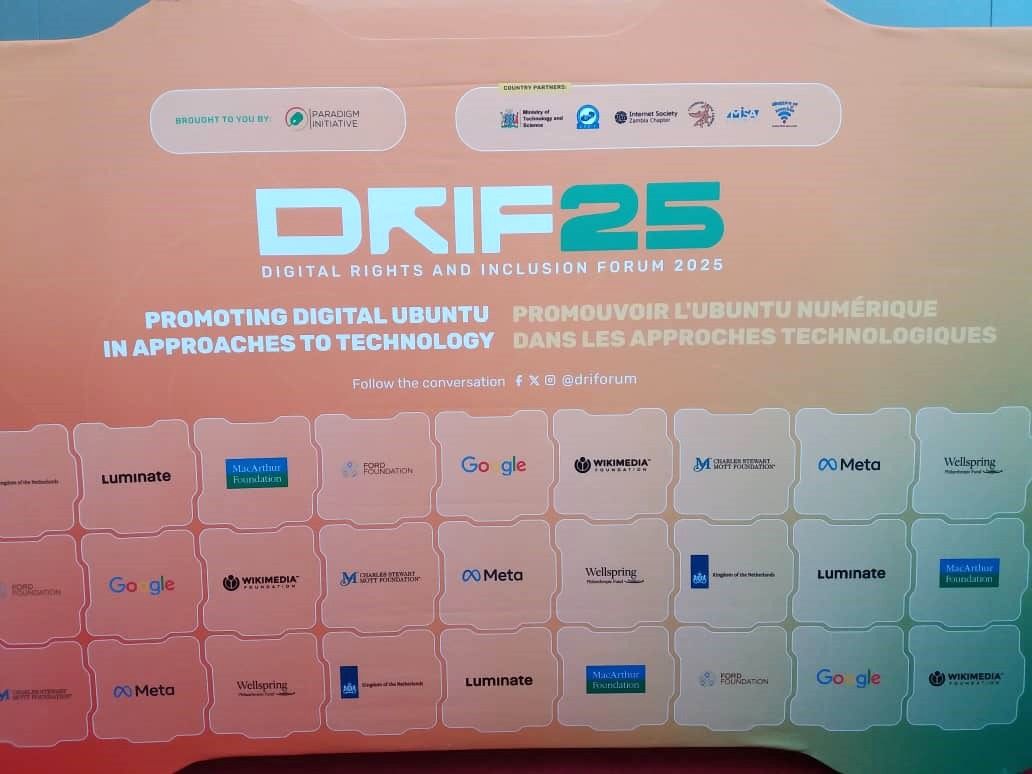
Meanwhile, the three-day Digital Rights and Inclusion Forum 2025 (DRIF25) is currently underway in Lusaka, with over 1,300 delegates from 66 countries expected to participate.
The forum is organized by Paradigm Initiative (PIN) in collaboration with Zambia’s Ministry of Technology and Science, the Bloggers Association of Zambia, Common Cause Zambia, the Media Institute of Southern Africa (MISA), Zambia Chapter, and the Zambia Cyber Security Initiative (ZCSI).
This year’s forum focuses on Artificial Intelligence and Emerging Technologies, Trust and Accountability, Data Protection, Privacy, and Cybersecurity.
Other focal points include digital inclusion for marginalized groups, digital security, human rights, and freedoms.
As of Tuesday, April 29, 2025, more than 1,350 participants had registered for what is considered one of the world’s most anticipated digital forums.
The forum is scheduled to host 122 sessions exploring the promotion of digital Ubuntu in technological approaches.
In addition, Paradigm Initiative is set to launch its annual Londa Report today, Wednesday, April 30. The report highlights the state of digital rights and inclusion across 27 African countries.
