


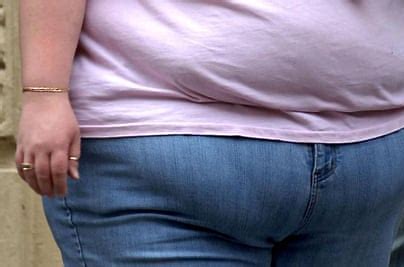
The World Health Organisation (WHO) has released its first-ever guideline on the use of a new class of weight-loss medicines, signalling a major shift in global health policy as obesity rates climb worldwide.
The guidance centres on GLP-1 therapies — including liraglutide, semaglutide and tirzepatide — and offers conditional recommendations for their safe, long-term use as part of comprehensive obesity care.
In a statement on Monday, WHO noted that more than one billion people are currently living with obesity, which contributed to an estimated 3.7 million deaths in 2024. Without urgent and sustained action, the number of affected people could double by 2030, placing enormous strain on health systems and driving global economic losses to an estimated $3 trillion annually.
As the leading authority in public health, WHO’s new stance is expected to influence treatment guidelines, insurance decisions and national policies at a time when demand for effective weight-loss options continues to surge.
“Obesity is a major global health challenge,” WHO Director-General, Tedros Ghebreyesus, said. “Our new guidance recognises that obesity is a chronic disease that requires comprehensive and lifelong care. While medication alone cannot solve this crisis, GLP-1 therapies can help millions overcome obesity and reduce its associated harms.”
WHO stressed that obesity is not the result of personal choices alone, but a complex, chronic condition shaped by genetic, biological, environmental and social factors. It is a major risk factor for heart disease, type 2 diabetes and certain cancers, and can worsen outcomes from infectious diseases.
For many people, losing weight — and maintaining that loss — is extremely difficult without medical support. GLP-1 medicines work by mimicking a natural hormone that regulates appetite, blood sugar and digestion, resulting in significant and sustained weight reduction for many patients.
These medicines were added to WHO’s Essential Medicines List in 2025 for managing type 2 diabetes in high-risk groups. The new guideline now recommends their long-term use for adults living with obesity, except during pregnancy. However, the recommendation remains conditional due to limited long-term safety data, questions about weight regain after stopping treatment, high costs and concerns about unequal access between countries.
WHO emphasised that weight-loss medications should always be combined with other interventions. The most effective care, it noted, integrates medication with healthier diets, increased physical activity and continuous support from health professionals.
The organisation added that solving obesity requires more than individual effort. Governments and industries must take broader action to create healthier food environments and strengthen early intervention for at-risk populations.
Demand for GLP-1 medicines already far exceeds supply. Even with scaled-up manufacturing, WHO estimates that fewer than 10 per cent of people who need them will have access by 2030. Without deliberate policies, the agency warned, these treatments could deepen existing health inequalities.
To expand availability, WHO urged governments to explore measures such as pooled procurement, fair pricing agreements and voluntary licensing to improve access, particularly in lower-income countries.
