


ASHENEWS reports that a nutrition expert in Nigeria says that the rising cost of living in Nigeria may draw back the gains recorded so far in improving the country’s nutrition indices.
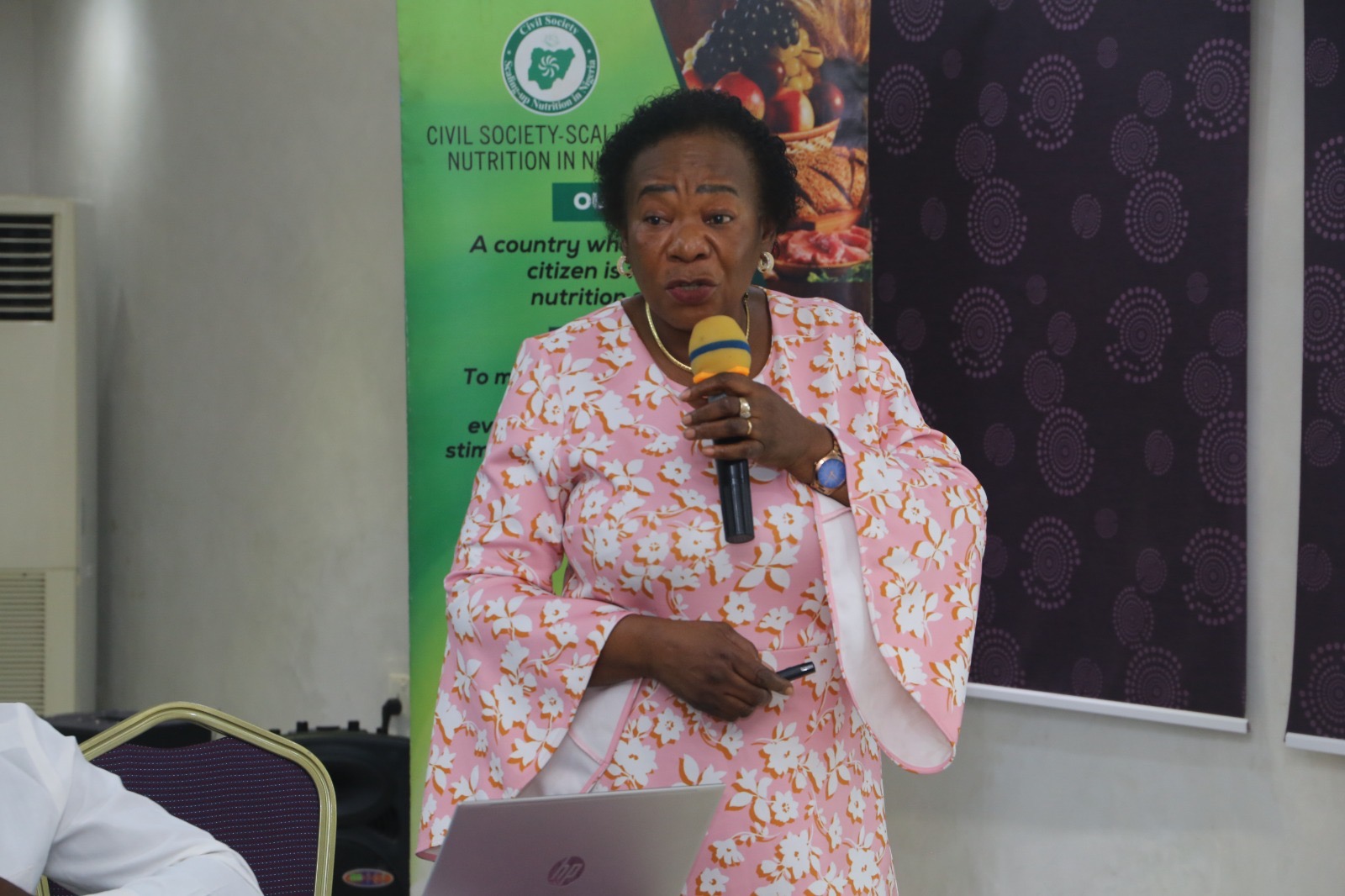
The Head of Food and Nutrition at the Federal Ministry of Budget and National Planning, Mrs. Chito Nelson stated this during a training organised by the Civil Society Scaling Up Nutrition In Nigeria (CS-SUNN) for selected journalists on improving the scale-up of multiple micronutrient supplements (MMS) in Nigeria.
According to her, Nigeria as the second country with the highest number of malnourished children loses US$1.5 billion in GDP annually due to micronutrient deficiencies.
“Nationally, our stunting rate is 37 percent and our wasting rate is seven percent. For wasting, we are pushing to ensure it comes down to three percent but with this current situation, I don’t know where we are going.”
She noted that 58 percent of women of reproductive age in the country are anemic while 68 percent of children under five suffer from either wasting or stunting.
The expert who stressed the importance of proper diet for pregnant women said that adequate nutrition becomes important even before a woman conceives to guarantee the health of both mother and child during pregnancy.
The expert also described the first 1,000 days as critical for a child’s health, warning that malnutrition has irreversible consequences for the health of children.
“Data suggests that about 7 percent of children in Nigeria are wasted but recent surveys have shown some improvements in the stunting rate of Nigerian children.
“But with this current economic situation, only God knows what it will portend for Nigeria because COVID-19 has had its effect and currently, the high cost of food is another issue.”
Nelson explained that while Iron and Folic Acid (IFA) supplementation has been a core component of antenatal care for pregnant women around the globe for over five decades, they do not contain all the nutrients that pregnant women may need to support their health and the health of their child.
“MMS are essential vitamins and minerals required in small amounts in the body for proper growth and development.
“MMS has 15 vitamins and minerals, including iron and folic acid in recommended dosage. MMS has 20 years of research provided clear evidence that MMS is more effective than IFA supplementation to prevent adverse birth outcomes.”
Also speaking, the Nutrition Officer at the Federal Ministry of Health and Social Welfare, Beatrice Ali said that MMS is a cost-effective drug that helps prevent low birthweight, reduce the risk of stillbirths, and prevent premature births.
“We are looking at the adequate and timely supply of MMS to our pregnant women, scaling up the use of MMS for pregnant women as well as a sustained nutrition education in which the media can come in to assist.”
She further announced plans to train health workers to deliver quality nutrition to pregnant women.
“Nigeria is also looking towards local manufacturing of MMS,” she added.
Speaking further, the UNICEF Nutrition Officer, Yadika Charles encouraged governments in Nigeria to leverage the Child Nutrition Fund to scale up the uptake of MMS in the country.
He said that UNICEF was ready to match grants with any government ready to utilize the fund.
“This financing match mechanism enables the government to double their investments in essential nutrition commodities for the prevention and treatment who suffer from waste.
“If a government puts in N1, UNICEF and other donor partners will put in the same amount so if we are to ensure financing to scale up MMS in Nigeria, it means that we need to advocate for governments to leverage this Child Nutrition Fund to procure these commodities.”
