


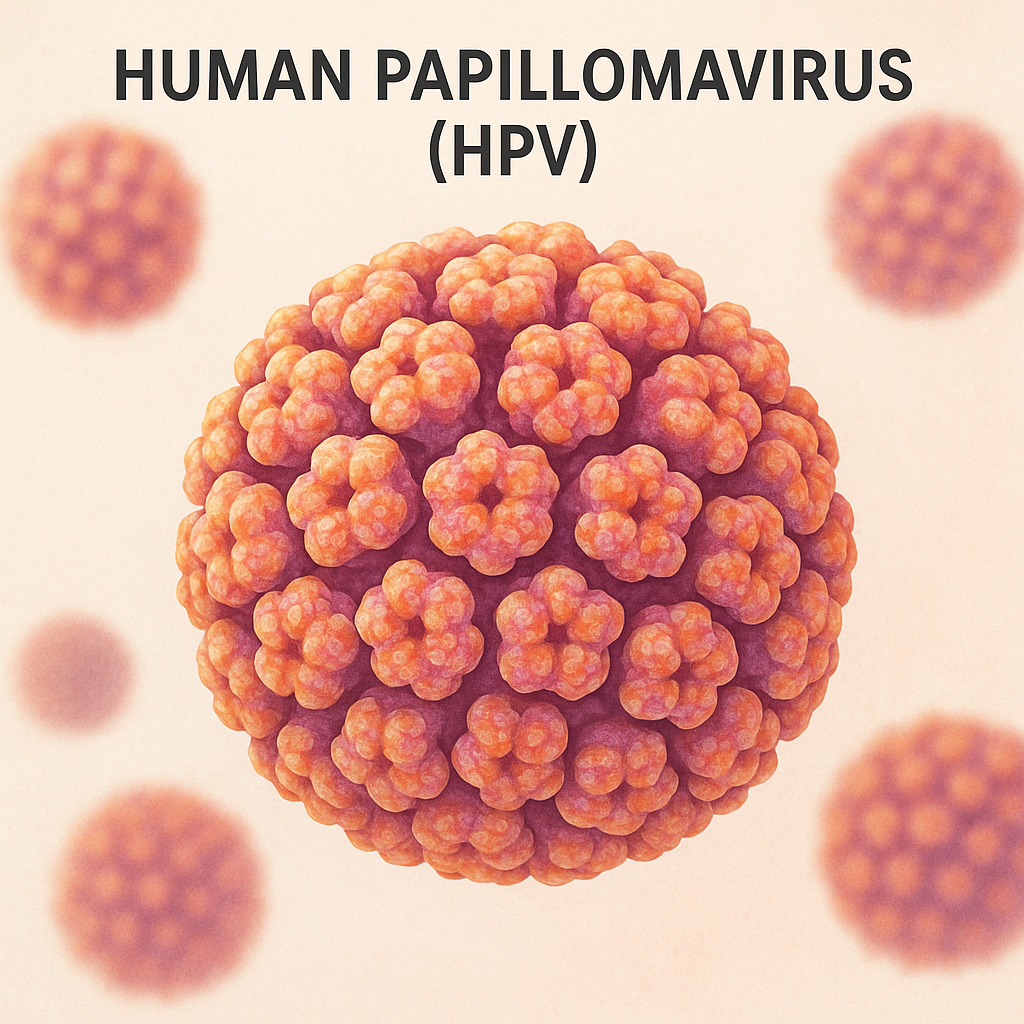
The European Union-funded project IMPROVE-HPV has announced it will investigate HPV vaccine hesitancy and effectiveness in Jigawa, Nasarawa, and Osun states.
Prof. Imran Morhason-Bello, the Project Principal Investigator for Nigeria, disclosed this in an interview with reporters in Dutse on Wednesday.
The HPV vaccine is a safe and highly effective injection that protects against Human Papillomavirus (HPV) infections and related cancers, including cervical cancer.
It is recommended for children aged 9–14 before they become sexually active, though it can be administered up to age 45. It requires 1–3 doses depending on age and immune status.
According to Morhason-Bello, the project aims to examine the vaccine’s effectiveness, assess hesitancy among the population, apply learning from the states to improve best practices in Nigeria and globally, and pursue other related objectives.
“IMPROVE-HPV is a project funded by the European Union to support two countries in Africa—Nigeria and Tanzania—in understanding HPV vaccine hesitancy and the vaccine’s effectiveness in preventing HPV-associated cancers, including cervical cancer.
“The consortium in Nigeria is led by the University of Ibadan, where I am a staff member, along with other co-investigators, including Izik Adewale, a former Minister of Health, among others.
“Globally, the HPV consortium comprises institutions from four countries that secured this grant for four and a half years: Spain, England, Tanzania, and Nigeria,” he said.
Morhason-Bello emphasized that the investigation is crucial because Nigeria is the first country in the world to adopt a single-dose HPV vaccination for girls as a strategy to eliminate cervical cancer.
“HPV is a virus that virtually everyone will encounter at some point in life; about eight out of every 10 people can clear it naturally.
“About two out of 10—or as some studies suggest, 15 per cent—will not clear the virus. If it persists for 10 to 15 years, it can lead to cancers, including oral cancer, throat cancer, penile cancer in males, and anal cancer.
“That means the virus can affect both males and females. However, Nigeria chose to vaccinate girls because it is likely the fastest route to achieving what we call herd immunity.
“Herd immunity occurs when a high proportion of people are immune to the virus, breaking its transmission within the community,” Morhason-Bello explained.
He noted that if research findings demonstrate strong results from Nigeria’s single-dose approach, other countries might shift from multiple doses, as maintaining them is expensive.
“So in Nigeria, we are conducting this study in three states: Jigawa in the North-West, Nasarawa in the North-Central, and Osun in the South-West. These states were carefully selected based on their routine vaccination records.
“In each state, we will engage parents and various stakeholders. We will also conduct a baseline survey on HPV vaccination among cohorts of girls who participated in the last vaccination campaign, as well as boys of similar age, to establish baseline data,” he said.
The project team, he added, has secured ethical approval from Jigawa State to carry out community entry programmes and co-creation activities.
“As a researcher, you cannot assume you know Jigawa better than the people living in the state,” he said.
Dr Sambo Shehu, Executive Secretary of the Jigawa State Primary Health Development Agency, described the research as a very important intervention and a strong collaboration between the state and the University of Ibadan.
Shehu said the HPV vaccine was introduced in the state in 2025 to prevent the spread of cervical cancer in women.
He noted that an investigative team from the University of Ibadan would assess how acceptable the vaccine is and how protective it has been for the young women who received it.
“Also, the exercise is a multi-country study being conducted between Nigeria and Tanzania,” Shehu said.
