


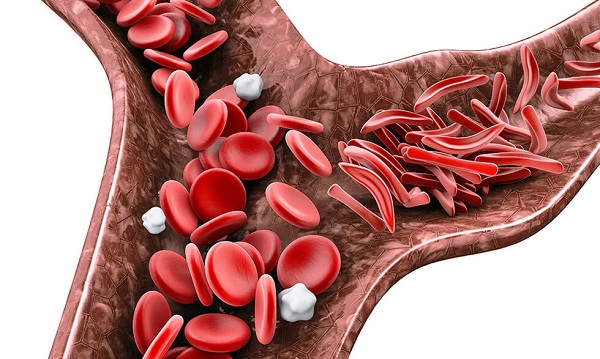
The CrimsonBow Sickle Cell Initiative has commended the Senate for prioritizing the welfare of people living with Sickle Cell Disorder (SCD) through the Sickle Cell Disorder Research and Therapy Centres (Establishment) Bill, 2025.
The Founder and Chief Executive Officer of CrimsonBow, Ms Timi Edwin, gave the commendation at the initiative’s 2025 End-of-the-Year Free Clinic for no fewer than 400 people living with SCD in Lagos. The event was sponsored by the Rabiu Olowo Foundation.
The Senate recently passed the bill for second reading, marking a significant step toward improving care for patients with sickle cell disorder nationwide.
The proposed legislation seeks to significantly reduce Nigeria’s sickle cell mortality rate by establishing one specialized SCD research and therapy centre in each of the six geopolitical zones and the Federal Capital Territory.
The centres are expected to serve as hubs for diagnosis, treatment, rehabilitation, research and public education.
Edwin commended the Federal Government for paying attention to millions of Nigerian families burdened by sickle cell anaemia, noting that the bill aligns with CrimsonBow’s mission.
She also praised the sponsor of the bill, Sen. Sunday Katung, and the Senate Committee on Health (Secondary and Tertiary), describing the initiative as a structured and sustainable response to one of Nigeria’s most common inherited disorders.
“We commend the Federal Government, through the Senate, for taking steps to ease the suffering of people living with sickle cell disorder in Nigeria.
“This bill brings great joy to our hearts as sickle cell warriors. It shows that Nigeria is beginning to demonstrate commitment to strengthening SCD care.
“We look forward to the speedy passage and full implementation of the bill,” Edwin said.
She stressed that the establishment of specialized clinics with trained consultants, appropriate medication and comprehensive care would greatly improve patients’ quality of life.
Edwin urged the President Bola Tinubu-led Federal Government to increase funding for the health sector, particularly for non-communicable diseases, to reduce mortality rates nationwide.
According to her, the bill is timely and visionary, with the potential to transform sickle cell care, research and outcomes for millions of Nigerians.
She, however, disclosed that a coalition of sickle cell-focused non-governmental organizations had submitted observations and recommendations to the Senate to strengthen the bill’s implementation, sustainability and overall impact.
Speaking on the free clinic, Edwin said CrimsonBow provided health education, medical consultations, medication, vaccinations, routine laboratory tests, genotype testing and counseling for more than 400 people living with SCD in Lagos.
“Our clinics hold monthly. This year alone, we have organized 10 clinics and reached more than 5,000 people living with sickle cell disorder.
“We are calling on well-meaning Nigerians for support and also urging the government to increase healthcare funding across the country,” she said.
Also speaking, Mr George Oche, General Manager of the Rabiu Olowo Foundation, said the foundation’s intervention in sickle cell care was inspired by the personal experiences of its founder.
Oche, who represented the founder, disclosed that both he and the foundation’s founder live with sickle cell disorder, adding that the foundation is built on three pillars—health, education and community service.
He said the foundation remains committed to improving the lives of people living with sickle cell disorder through initiatives such as free genotype testing, patient support and community outreach programmes.
According to him, the foundation’s 10K GenoTest initiative targets 10,000 youths for free genotype testing and awareness campaigns aimed at reducing Nigeria’s high sickle cell birth prevalence.
In her remarks, Dr Pamela Ajayi, Chairman of Bridge Clinic and host of Doctors on Air, said bone marrow transplant was no longer out of reach and could now be carried out in Nigeria.
She emphasized the importance of premarital and pre-implantation genetic testing, noting that new treatment options and interventions are increasingly available in the country.
Ajayi said the high cost of care makes it necessary for government to establish specialized clinics and dedicated funding for people living with SCD.
Dr Ayodele Renner, a Consultant Paediatrician and Child Health Advocate, described people living with sickle cell disorder as “warriors,” praising their courage in coping with daily pain, lifelong medication and emotional challenges.
He urged Nigerians to prioritize genotype testing, warning that many adults marry without knowing their status, thereby increasing the risk of sickle cell disease in children.
Renner also called for routine genotype and blood group testing for all children at the age of one, noting that late diagnosis often results in severe complications such as anaemia and kidney failure.
He advised patients to keep regular clinic appointments, adhere strictly to prescribed medications and avoid self-medication, stressing that early and consistent medical care improves survival and quality of life.
Renner further urged governments to expand health insurance coverage, subsidize essential drugs such as Hydroxyurea, strengthen blood services and support sickle cell clinics to ease the financial burden on affected families.
Some beneficiaries of the free clinic, including 11-year-old Hassanat Adewale, expressed appreciation to the CrimsonBow Sickle Cell Initiative for its sustained commitment to improving the lives of people living with SCD.
