


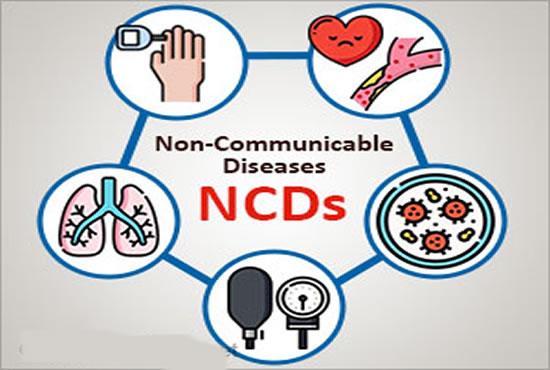
Dr. Iorfa Tor-Ayiin, a Consultant Family Physician at the Federal Medical Centre, Makurdi, has advised Nigerians to undertake regular medical check-ups to prevent non-communicable diseases (NCDs).
Tor-Ayiin gave the advice during an interview with reporters at the closing session of the 9th Annual Abuja Cardiovascular Symposium (ACS) in Abuja.
The symposium, themed “Hypertension, Diabetes and Heart Disease: Domesticating Global Solutions to Nigeria’s Deadly Trio,” was organized by Cardiocare Multi-Specialty Hospital, a subsidiary of Limi Hospital, Abuja.
The two-day event attracted medical professionals from various health disciplines.
Tor-Ayiin explained that the symposium focused on hypertension, diabetes, and heart disease because they have become the leading causes of death among non-communicable diseases in Nigeria.
“Previously, people mainly died from infectious diseases such as malaria, tuberculosis, and gastroenteritis. Today, lifestyle-related diseases like diabetes and hypertension are responsible for most deaths. These are conditions people develop due to lifestyle choices and ageing, not from infections,” he said.
He noted that the rising burden of NCDs makes continuous training for health workers essential.
“These diseases are not new, but their prevalence is increasing. This symposium is designed to refresh the knowledge of health workers on managing diabetes, hypertension, and heart failure,” Tor-Ayiin added.
Participants included doctors, nurses, laboratory scientists, and other healthcare professionals.
Tor-Ayiin emphasized that the symposium also aimed to educate Nigerians on early warning signs and preventive measures.
“These diseases affect the heart and blood vessels, which are present throughout the body, impacting virtually every organ,” he said.
He urged Nigerians to regularly check their blood pressure, blood sugar, and cholesterol levels, and to follow medical advice. He also cautioned against unhealthy diets and sedentary lifestyles.
“What we eat directly affects our health. Nigerians should reduce intake of sugary drinks, alcohol, smoking, and avoid prolonged physical inactivity,” he advised.
Also speaking, Mr. Nwobodo Chukwuka, Nursing Manager at Cardiocare Multi-Specialty Hospital, urged Nigerians to take personal responsibility for their health.
“Nurses are usually the first point of contact for patients. When individuals take care of themselves, it helps both the patient and the healthcare system,” he said, warning that excessive stress can worsen NCDs.
Chukwuka encouraged early detection and lifestyle modification, adding that consuming more natural foods and reducing highly refined foods can prevent obesity and related diseases.
“If these diseases are detected early, they can be managed effectively, and patients can live normal lives,” he said.
Mr. Solomon Olusola, Administrative Manager of Cardiocare Multi-Specialty Hospital, said the ninth edition of the symposium reflected the hospital’s commitment to health education, particularly in internal medicine.
He encouraged Nigerians experiencing cardiovascular-related symptoms to seek care at the hospital, highlighting the availability of specialized medical personnel.
“We offer multiple cardiovascular specialties under one roof, including neurology, gastroenterology, and cardiothoracic surgery. Our hospital conducts advanced procedures ranging from coronary angiography to coronary artery bypass graft surgery,” Olusola said.
He added, “Our system ensures prompt attention to patients, from emergency care to surgical intervention, when necessary.”
