


Médecins Sans Frontières (MSF), also known as Doctors Without Borders, has raised concerns over the worsening cholera outbreak in Borno, warning that the disease is overwhelming health facilities despite ongoing response efforts.
In a statement issued on Wednesday by its Field Communication Officer, Mr. Abdulkareem Yakubu, MSF said the outbreak was spreading rapidly due to inadequate access to clean water, sanitation, and healthcare services.
The organisation described cholera as a life-threatening bacterial infection spread through contaminated food and water, causing severe diarrhoea, dehydration, and, in some cases, death if left untreated.
According to the statement, the Borno State Ministry of Health had recorded more than 35,500 suspected cholera cases and 198 deaths as of July 12, 2026.
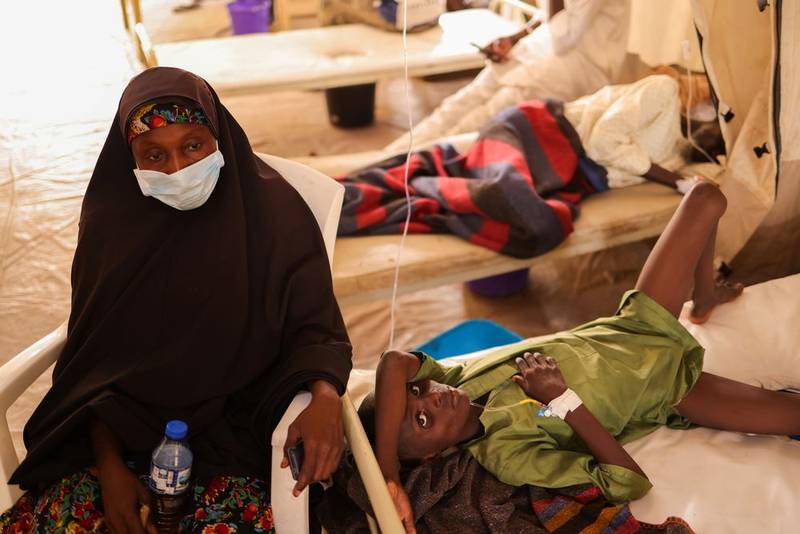
Yakubu said increasing numbers of patients with suspected cholera were being admitted to Cholera Treatment Centres (CTCs) in Maiduguri.
Among those affected was 13-year-old Muhammad Usman, who was rushed to a treatment facility after developing severe symptoms.
“He started vomiting, had diarrhoea and complained of stomach pain. Later, he lost consciousness. We realised it could be cholera,” said Hadiza Ali, Muhammad’s mother.
Yakubu said MSF currently supports two Cholera Treatment Centres and five Cholera Treatment Units, providing inpatient care for patients with severe cholera symptoms.
He added that the organisation also supports 17 Oral Rehydration Points, enabling patients to access treatment closer to their communities and easing pressure on health facilities.
According to him, MSF, working alongside government health authorities and humanitarian partners, had treated more than 24,000 patients with suspected cholera as of July 12.
“We have significantly expanded our response over the past two months, but the transmission is still spreading faster than efforts to contain it,” said Bienfait Tombola, MSF Project Medical Coordinator in Maiduguri.
He noted that the continued spread of the disease is driven by inadequate access to clean water, sanitation, and healthcare services in affected communities.
MSF has intensified community awareness campaigns, preventive measures, healthcare worker training, and access to safe water at critical facilities to curb the outbreak.
However, the organisation warned that the outbreak has spread beyond Borno into Plateau State, where health authorities reported 102 suspected cholera cases as of July 12.
MSF urged health authorities to prioritise awareness, vaccination, and prevention campaigns across affected communities to slow transmission and prevent further loss of life.
