

• Home
  • Agric
  • Sci & Tech
  • Health
  • Environment
  • Hausa News
  • More
    • Business/Banking & Finance
    • Politics/Elections
    • Entertainments & Sports
    • International
    • Investigation
    • Law & Human Rights
    • Africa
    • ACCOUNTABILITY/CORRUPTION
    • Hassan Gimba
    • Column
    • Prof. Jibrin Ibrahim
    • Prof. M.K. Othman
    • Defense/Security
    • Education
    • Energy/Electricity
    • Entertainment/Arts & Sports
    • Society and Lifestyle
    • Food & Agriculture
    • Health & Healthy Living
    • International News
    • Interviews
    • Investigation/Fact-Check
    • Judiciary/Legislature/Law & Human Rights
    • Oil & Gas/Mineral Resources
    • Press Freedom/Media/PR/Journalism
    • General News
    • Presidency
  • About Us
    • Contact Us
    • Board Of Advisory
    • Privacy Policy
    • Ethics Policy
    • Teamwork And Collaboration Policy
    • Fact-Checking Policy
    • Advertising
  • Media OutReach Newswire
    • Wire News
  • The Stories
Facebook Twitter Instagram
Trending
  • Singer Nanyah dies of snake bite at her home
  • Indonesia lifts ban on Elon Musk’s Grok  
  • Wema Bank launches ‘Evolution of Love’ campaign for Valentine’s Day
  • Army renovates 91-year-old primary school in Sokoto 
  • SERAP sues NNPCL over missing oil funds
  • Lagos govt airlifts 200 pilgrims to Israel, Jordan
  • Lawmaker plans free healthcare for 10,000 constituents
  • Iran, beware the fangs of January, the scourge of February, the ides of March [II], by Hassan Gimba
Facebook Twitter Instagram YouTube
AsheNewsAsheNews
  • Home
  • Agric

    How Corteva Agriscience is boosting South Africa’s farming system

    January 31, 2026

    AI-driven project targets climate resilient crops for farmers in Africa

    January 31, 2026

    FG empowers 40 cooperatives with farm inputs in Yobe

    January 30, 2026

    Katsina to host 3,750 housing units, aquaculture project financed by COSMOS

    January 30, 2026

    ActionAid empowers 12,000 FCT farmers with agroecology skills

    January 30, 2026
  • Sci & Tech

    Indonesia lifts ban on Elon Musk’s Grok  

    February 1, 2026

    Expert urges federal govt to tackle multiple taxation in telecoms sector

    January 31, 2026

    Airtel Africa mobile money transactions top $210bn as subscribers hit 52m

    January 31, 2026

    Nigeria, KOICA partner to drive digital transformation in public service

    January 30, 2026

    NDPC leads Abuja roadshow to promote data protection awareness

    January 30, 2026
  • Health

    Lawmaker plans free healthcare for 10,000 constituents

    February 1, 2026

    Anambra seeks LG chairmen’s support for measles–rubella vaccination campaign

    January 31, 2026

    Kaduna eliminates Trachoma as public health threat

    January 31, 2026

    Kogi records milestone in fight against NTDs, halts treatment for Lymphatic filariasis

    January 31, 2026

    Bauchi introduces nutrition supplement to tackle child undernutrition

    January 31, 2026
  • Environment

    Abia govt approves new climate change policy, prioritises disability inclusion

    January 31, 2026

    LAWMA arrests cart pushers for illegal dumping on Lagos–Badagry expressway

    January 31, 2026

    YASIF, IBM train 15,000 Nigerian youths for green, digital economy

    January 31, 2026

    Kukah urges religious leaders to speak out against environmental exploitation

    January 31, 2026

    LASEMA holds retreat to honor responders, boost emergency preparedness

    January 31, 2026
  • Hausa News

    Anti-quackery task force seals 4 fake hospitals in Rivers

    August 29, 2025

    [BIDIYO] Yadda na lashe gasa ta duniya a fannin Ingilishi – Rukayya ‘yar shekara 17

    August 6, 2025

    A Saka Baki, A Sasanta Saɓani Tsakanin ‘Yanjarida Da Liman, Daga Muhammad Sajo

    May 21, 2025

    Dan majalisa ya raba kayan miliyoyi a Funtuwa da Dandume

    March 18, 2025

    [VIDIYO] Fassarar mafalki akan aikin Hajji

    January 6, 2025
  • More
    1. Business/Banking & Finance
    2. Politics/Elections
    3. Entertainments & Sports
    4. International
    5. Investigation
    6. Law & Human Rights
    7. Africa
    8. ACCOUNTABILITY/CORRUPTION
    9. Hassan Gimba
    10. Column
    11. Prof. Jibrin Ibrahim
    12. Prof. M.K. Othman
    13. Defense/Security
    14. Education
    15. Energy/Electricity
    16. Entertainment/Arts & Sports
    17. Society and Lifestyle
    18. Food & Agriculture
    19. Health & Healthy Living
    20. International News
    21. Interviews
    22. Investigation/Fact-Check
    23. Judiciary/Legislature/Law & Human Rights
    24. Oil & Gas/Mineral Resources
    25. Press Freedom/Media/PR/Journalism
    26. General News
    27. Presidency
    Featured
    Recent

    Singer Nanyah dies of snake bite at her home

    February 1, 2026

    Indonesia lifts ban on Elon Musk’s Grok  

    February 1, 2026

    Wema Bank launches ‘Evolution of Love’ campaign for Valentine’s Day

    February 1, 2026
  • About Us
    1. Contact Us
    2. Board Of Advisory
    3. Privacy Policy
    4. Ethics Policy
    5. Teamwork And Collaboration Policy
    6. Fact-Checking Policy
    7. Advertising
    Featured
    Recent

    Singer Nanyah dies of snake bite at her home

    February 1, 2026

    Indonesia lifts ban on Elon Musk’s Grok  

    February 1, 2026

    Wema Bank launches ‘Evolution of Love’ campaign for Valentine’s Day

    February 1, 2026
  • Media OutReach Newswire
    • Wire News
  • The Stories
AsheNewsAsheNews
Home»Health & Healthy Living»Limited labs fuel wrong treatment of fever cases – CDC
Health & Healthy Living

Limited labs fuel wrong treatment of fever cases – CDC

EditorBy EditorSeptember 17, 2025Updated:September 17, 2025No Comments3 Mins Read
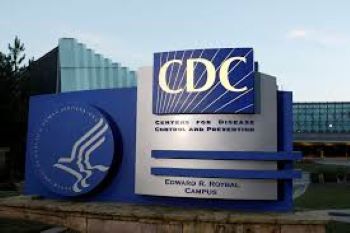
US CDC
Share
Facebook Twitter LinkedIn Pinterest Email

The United States Centres for Disease Control and Prevention (US CDC) has warned that Nigeria’s weak laboratory capacity for detecting Acute Febrile Illness (AFI) is causing misdiagnosis, underdiagnoses, and wrong treatment of patients.

The agency raised this concern on Wednesday during a media roundtable in Abuja. The session focused on its support for AFI surveillance in Nigeria, in collaboration with the Nigeria Centre for Disease Control and Prevention (NCDC) and other partners.

Experts explained that fixing gaps such as poor testing facilities, weak policies, and low diagnostic capacity is key to improving AFI surveillance in the country.

According to Oladipupo Ipadeola, Senior Public Health Specialist for Epidemiology and Surveillance at the US CDC Nigeria, AFI is an illness that starts suddenly with fever, sometimes with other symptoms.

He said AFI can be caused by bacteria, viruses, protozoa, or fungi. It is more common among children and young adults but can affect anyone.

Ipadeola added that AFI symptoms often overlap with other diseases, making diagnosis difficult, especially with Nigeria’s limited laboratory capacity.

He explained that AFI surveillance is vital for early detection of infectious disease outbreaks, understanding how they spread, and taking control measures.

“Surveillance means systematically monitoring cases of sudden fever, usually lasting for a short time,” he said. “In Nigeria, weak lab capacity has led to many misdiagnosed or missed AFI cases, which in turn causes wrong treatment of patients.”

He stressed that Nigeria must fix gaps like poor diagnostic facilities, lack of policy, and uneven spread of testing centres. This would help health authorities strengthen both surveillance and lab systems.

Ipadeola noted that the Federal Government is already making efforts, such as boosting surveillance, running malaria control programmes, improving vaccinations, and working with partners to upgrade health systems.

He said the US CDC and NCDC have already set up sentinel surveillance sites across Nigeria’s six geopolitical zones. Over 11,000 samples have been tested for priority diseases like malaria, dengue, yellow fever, Lassa fever, and COVID-19.

To boost capacity, laboratories were upgraded with new equipment, multiplex PCR testing was introduced, and staff were trained.

Ipadeola explained that AFI surveillance is a central part of the US CDC’s global health security work. It helps identify disease trends, detect co-infections, and strengthen diagnostics in Nigeria.

He added that since August 2024, the programme’s coordination has been handed over to the NCDC, while the US CDC continues to supply technical support, rapid test kits, and lab reagents.

In her opening remarks, Farah Husain, Programme Director at the Division of Global Health Protection, US CDC Nigeria, stressed the importance of AFI surveillance. She said AFI is among the most common but least understood health problems.

Husain explained that a strong surveillance system will help Nigeria know the causes, burden, and spread of such diseases, making outbreak responses faster and better.

She said, “Our goal is to improve early detection, strengthen labs, build stronger data systems, and make Nigeria respond better to outbreaks.”

Also speaking, Fatima Saleh, NCDC’s Director of Surveillance, called for stronger surveillance systems, improved response capacity, and wider outreach.

She urged more advocacy across all levels of government to ensure sustained support, evidence-based actions, and better protection of Nigerians’ health.

Abuja AFI CDC US CDC
Share. Facebook Twitter Pinterest LinkedIn WhatsApp Reddit Tumblr Email
Editor
  • Website

Related Posts

Lawmaker plans free healthcare for 10,000 constituents

February 1, 2026

Anambra seeks LG chairmen’s support for measles–rubella vaccination campaign

January 31, 2026

Kaduna eliminates Trachoma as public health threat

January 31, 2026

Leave A Reply Cancel Reply

Singer Nanyah dies of snake bite at her home

February 1, 2026

Indonesia lifts ban on Elon Musk’s Grok  

February 1, 2026

Wema Bank launches ‘Evolution of Love’ campaign for Valentine’s Day

February 1, 2026

Army renovates 91-year-old primary school in Sokoto 

February 1, 2026
About Us
About Us

ASHENEWS (AsheNewsDaily.com), published by PenPlus Online Media Publishers, is an independent online newspaper. We report development news, especially on Agriculture, Science, Health and Environment as they affect the under-reported rural and urban poor.

We also conduct investigations, especially in the areas of ASHE, as well as other general interests, including corruption, human rights, illicit financial flows, and politics.

Contact Info:
  • 1st floor, Dogon Daji House, No. 5, Maiduguri Road, Sokoto
  • +234(0)7031140009
  • ashenewsdaily@gmail.com
Facebook Twitter Instagram Pinterest
© 2026 All Rights Reserved. ASHENEWS Daily Designed & Managed By DeedsTech

Type above and press Enter to search. Press Esc to cancel.