


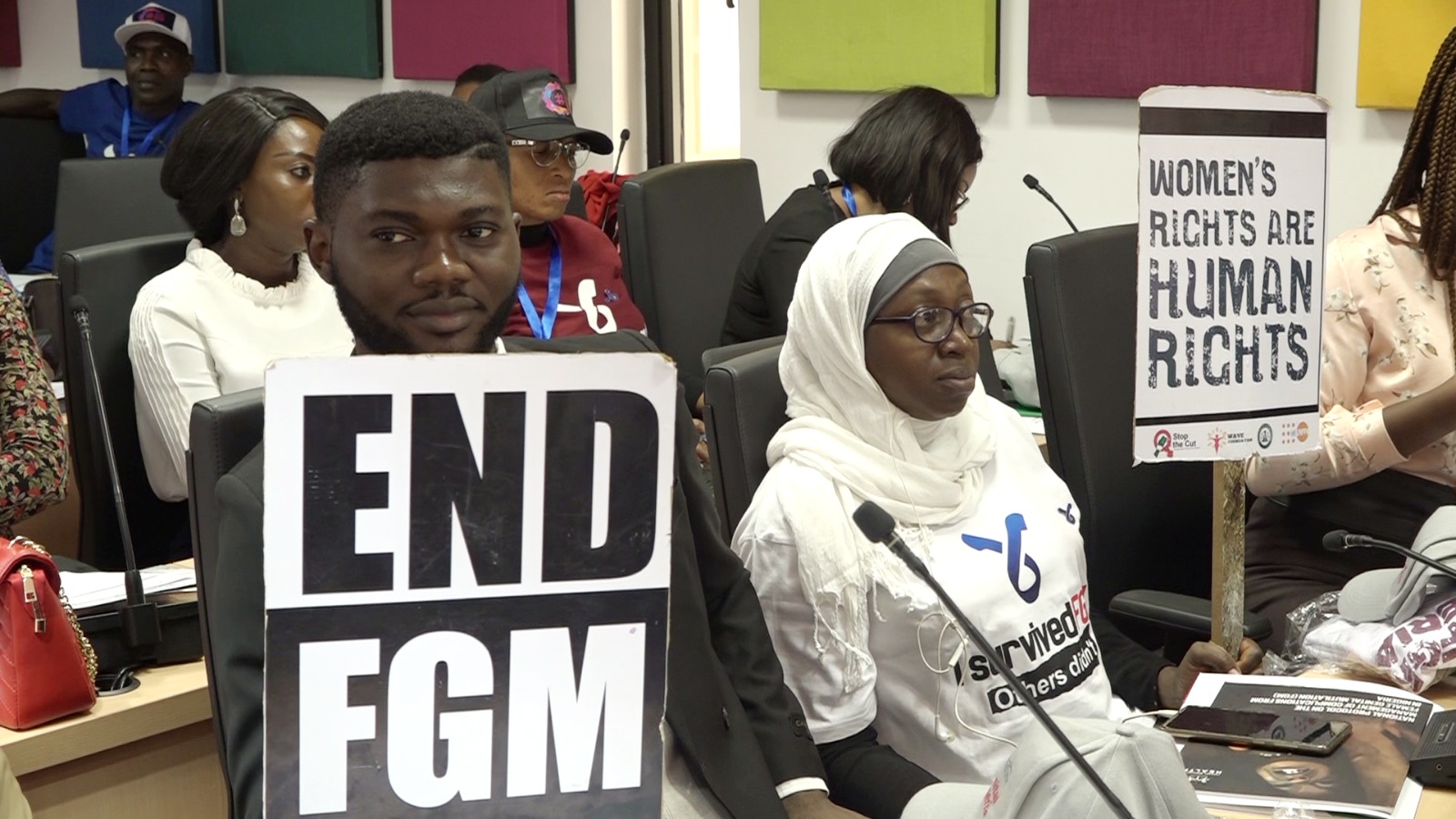
The Imo State Government, in collaboration with key stakeholders, on Wednesday reaffirmed its commitment to ending Female Genital Mutilation (FGM) by 2030.
The declaration followed the adoption of a communique and the signing of a public pledge card at a one-day stakeholders’ forum on FGM eradication held in Owerri.
In her remarks, Wife of Gov. Hope Uzodimma, Mrs Chioma Uzodimma, commended UNFPA, WHO, traditional rulers and their wives, and other stakeholders for their dedication to combating Gender-Based Violence (GBV). She acknowledged the harmful effects of FGM and emphasized the need for collective action to eradicate the practice.
“FGM is violence. It is not culture; it is a violation of our daughters’ rights, health and dignity,” she said.
FGM involves all procedures that partially or totally remove the external female genitalia, or otherwise injure female genital organs, for non-medical reasons.
Mrs Uzodimma recalled that the state government unveiled an action plan against FGM in February, outlining a collective roadmap towards an FGM-free future.
“Today’s event is to renew our commitment towards eliminating FGM in the state. Although FGM has been legally abolished in Imo, we must acknowledge that the practice has not disappeared entirely,” she said.
She cited the latest figures from UNFPA, noting that pockets of the practice persist and stressing that legal abolition must be reinforced with continuous community action. “Our prevention efforts must target families, faith communities, and birth-naming centers to ensure full compliance and lasting protection for every girl,” she added.
Mrs Uzodimma also urged wives of traditional rulers to use their influence to advocate against the practice.
The Resident Representative of UNFPA Nigeria, Dr Muriel Mafico, commended the state government for its leadership in protecting the health, dignity, and rights of women and girls. Represented by Programme Coordinator Dr Andrew Kirima, she cited findings from the 2024 Nigeria Demographic and Health Survey.
She said the prevalence of FGM in Nigeria declined from 20 per cent in 2018 to 14 per cent in 2024. In Imo State, prevalence among women aged 15–49 dropped from 61.7 per cent in 2018 to 34.3 per cent in 2024, while the rate among girls aged 0–14 fell sharply from 62.8 per cent to 14.6 per cent over the same period.
“These numbers tell a powerful story of community courage, shifting norms, and a growing rejection of the harmful practice of FGM among young parents,” Mafico said.
Speaker of the Imo House of Assembly, Mr Chike Olemgbe, called on stakeholders to continue supporting efforts to end FGM in the state. He assured participants that lawmakers would continue to use their platform to campaign against the practice.
The event, organized by the state government in collaboration with Goodhope Women Flourish Initiative and UNFPA, brought together traditional and community leaders, wives of traditional rulers, healthcare professionals, and advocacy groups.
