


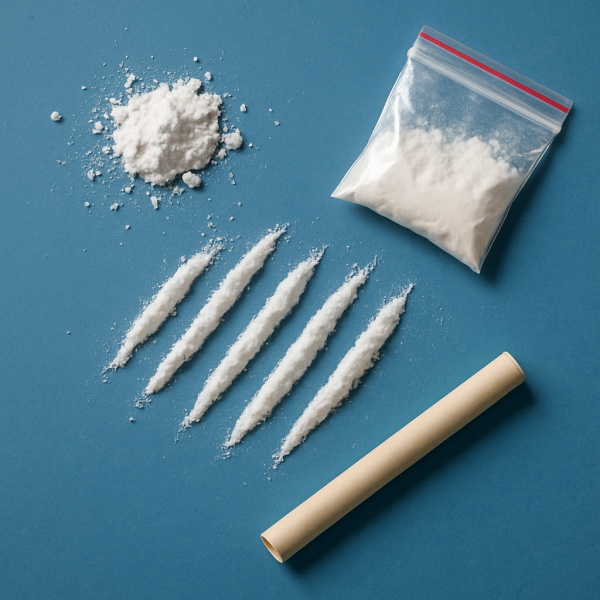
Cocaine production, seizures, and use all reached unprecedented levels in 2023, according to the United Nations Office on Drugs and Crime (UNODC), marking the illicit substance as the fastest-growing global drug market.
In its annual report released from Vienna, the UNODC revealed that illegal cocaine production surged to 3,708 tonnes in 2023—a nearly 34% increase from 2022 and more than four times the level recorded a decade ago. The sharp rise is largely attributed to expanded coca bush cultivation in Colombia and revised data on crop yields.
Global seizures of cocaine also peaked at 2,275 tonnes, reflecting a 68% increase over the past four years. Meanwhile, the number of users worldwide climbed to 25 million in 2023, up from 17 million in 2013.
“Cocaine has become fashionable among more affluent segments of society,” said Angela Me, the UNODC’s chief researcher. She warned of a “vicious cycle” of rising use fueling further production.
While Colombia remains the main producer, traffickers are increasingly penetrating new markets, particularly in Asia and Africa. Organised crime groups from the Western Balkans are also expanding their role in the global trade.
“North America, Western and Central Europe, and South America continue to be the largest markets for cocaine, based on user numbers and wastewater analysis,” the report noted.
The UNODC warned that a “new era of global instability” is worsening the world drug crisis, emboldening criminal networks and pushing drug consumption to historic highs.
The report also found that 6% of the global population aged 15 to 64 used drugs in 2023, up from 5.2% in 2013. Cannabis remains the most widely used drug globally.
Seizures of amphetamine-type stimulants reached a record high, accounting for nearly half of all global synthetic drug seizures. Methamphetamine and amphetamine were the most commonly intercepted.
On synthetic opioids, including fentanyl, the report expressed continued concern amid growing fatalities, particularly in North America.
The UNODC also highlighted shifting dynamics in the captagon trade following the fall of Syrian ruler Bashar al-Assad in December 2024. While Syria recently announced it had seized all known captagon production sites, the UN agency said recent data from 2024 and 2025 indicate continued flows—mainly to Gulf countries—likely from hidden stockpiles or new production centers.
