


Dr. Vincent Osoka, General Surgery Resident at University College Hospital (UCH), Ibadan, has emphasized that reducing the intake of smoked meats and minimizing exposure to tobacco smoke can lower the risk of developing gastric cancer.
Osoka made the remarks on Thursday in an interview with reporters in Ibadan, noting that regular upper gastrointestinal surveillance is crucial for individuals with inherited conditions that increase the risk of gastric cancer.
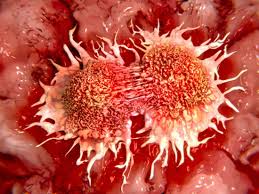
“Stomach cancer, also known as gastric cancer, occurs when normal cells in the stomach lining grow uncontrollably, forming a tumor. This tumor can penetrate the stomach wall and may spread to other organs,” he explained.
He described gastric cancer as biologically aggressive, with high recurrence and mortality rates, ranking as the fourth most common cancer and the second leading cause of cancer-related deaths worldwide.
According to Osoka, the major risk factors for gastric cancer include both environmental and genetic factors. He highlighted Helicobacter pylori infection as a significant contributor, noting that the bacterium is also associated with peptic ulcer disease. “Not all upper abdominal pain is caused by gastric ulcers. Many Nigerians mistakenly self-administer antacids for epigastric pain, which can delay diagnosis,” he said.
Other risk factors include high-salt diets—especially from smoked or salted meats—low intake of fruits and vegetables, and tobacco smoke. Osoka noted that the rise of refrigeration over the past 70 years has helped reduce gastric cancer rates by decreasing reliance on salt-preserved foods.
He also identified several rare inherited conditions associated with gastric cancer, including Hereditary Diffuse Gastric Cancer, Familial Adenomatous Polyposis, Li-Fraumeni Syndrome, and Lynch Syndrome.
On symptoms, Osoka explained: “Gastric cancer often presents with nonspecific signs, leading to late-stage diagnoses. Common symptoms include upper abdominal pain, early satiety, and unintended weight loss. Individuals with these symptoms should seek thorough evaluation to rule out early-stage disease.”
Osoka urged Nigerians to modify their lifestyle, reduce smoked meat consumption, and avoid tobacco smoke. He stressed that early consultation with a gastrointestinal surgeon is vital for patients diagnosed with gastric cancer, as most cases can be treated effectively if caught before metastasis.
“The standard treatment is the complete surgical removal of the tumor with a wide margin of normal stomach tissue. For inoperable cases, chemotherapy can improve survival rates. Screening programs, similar to those in Japan since the 1970s, could significantly reduce mortality rates in Nigeria,” he said.
Dr. Osoka also called for improved access to cancer treatment, affordable chemotherapy, availability of radiotherapy machines in all states, and reliable electricity for safe food storage, which can reduce the need for harmful preservation methods.
Adding to the discussion, Dr. Ugochi Ikeme, Senior Resident Doctor, General Surgery at UCH, highlighted that stomach cancer is more common in males, occurs twice as often in blacks than whites, and primarily affects the elderly. She described it as the “captain of the men of death.”
Ikeme explained that nitrites from preserved foods are converted to carcinogenic nitrosamines, while low intake of vegetables and vitamins, smoking, and alcohol consumption increase risk. She emphasized proper evaluation of patients to confirm diagnosis, stage disease, and determine fitness for treatment.
“Surgical resection remains the only potentially curative treatment. Unfortunately, many patients present at an advanced stage,” she said. Ikeme called for better-equipped hospitals, training for primary healthcare workers, and public health education on lifestyle factors that reduce cancer risk.
She also highlighted the need for more research into genetic predispositions in Nigerians. “Many may have gene mutations that increase their risk of stomach cancer without knowing it,” she said.
