


The Oboli Foundation for Health and Inclusion (TOFHI) has urged the Federal Government to strengthen Primary Healthcare Centres (PHCs) for the early detection of diseases such as diabetes.
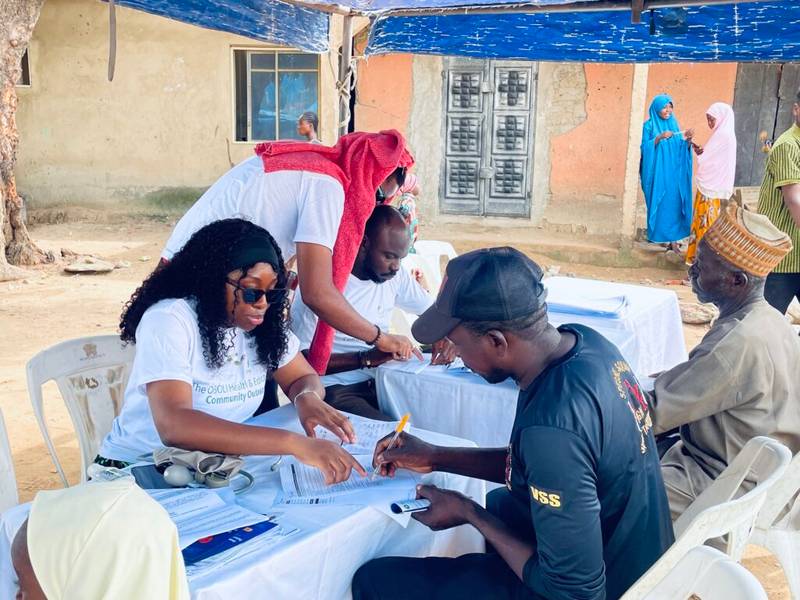
The foundation made the call on Saturday during its free diabetes screening and medical outreach for over 300 residents of Chibiri Community in Kuje Area Council of the Federal Capital Territory.
Dr. Sharon Olori, Founder of TOFHI, said strengthening PHCs would improve access to quality healthcare in rural communities.
Olori explained that the intervention was informed by findings from a preliminary assessment of the community’s health needs. She noted that many residents were battling hypertension, ulcer-related ailments, and other health challenges.
“We started in 2024 with communities around Abuja and Port Harcourt, and now we have come to Kuje,” she said.
“We have medications available to help relieve some of these conditions, but we’re not just giving medications because we know it doesn’t stop there. We’re also providing health education so that people know what they can do to prevent future complications.
“I would also like the government to equip Primary Healthcare Centres so that people can access quality healthcare close to where they live. Many of them cannot easily travel to tertiary hospitals, but if these health centres are functional, they can receive the care they need.”
According to her, the foundation refers residents who require further medical attention to the community’s Primary Healthcare Centre for follow-up care.
She urged governments at all levels to support non-governmental organisations providing healthcare services in underserved communities.
Also speaking, the Etsu of Chibiri Community, Alhaji Ishaku Sakokoy, described regular health checks as essential for healthy living.
“Whatever you are doing, if you are not physically fit, you won’t achieve much. We appreciate this gesture because many communities desire this kind of medical outreach but have not had the opportunity,” he said.
Sakokoy also appealed to the government to improve medical facilities in rural communities to make healthcare more accessible.
Mrs. Mute Olori, a member of the outreach team, said maintaining a healthy and disciplined lifestyle does not eliminate the risk of developing diseases such as diabetes.
She explained that the outreach aimed to encourage early detection, discourage self-medication, and educate residents on recognising symptoms of common health conditions.
“We’re trying to sensitise people to go for regular medical checks, take even a minor headache seriously, and avoid self-medication. We also want people to understand that certain symptoms could point to underlying health conditions,” she said.
She added that some communities are difficult to reach, so the foundation is working to bridge that gap by “bringing the hospital to the community.”
One of the beneficiaries, Mr. Ndaman Dantani, said the medical screening revealed that his blood sugar level was high. He has been placed on medication and pledged to adhere strictly to the medical advice given.
Another beneficiary, Ms. Scholastica Atongo, said many people in rural communities delay seeking medical care due to financial constraints. She described the outreach as commendable and appealed to the organisers to sustain the initiative.
“I think it’s good for them to also follow up on those who need treatment or refer them to where they can receive proper medical care,” she said.
The outreach featured free diabetes and basic health screening, public health education, community health advocacy, women’s wellness services, and free medical consultations.
