


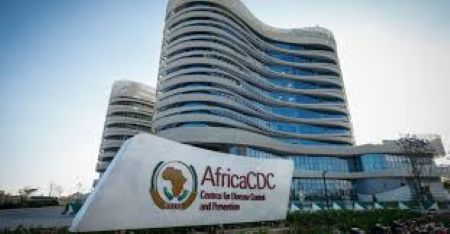
Africa Centres for Disease Control and Prevention (Africa CDC) has raised alarm over potentially dangerous shortages of essential medical supplies.
This is due to rising input and transport costs linked to the ongoing Middle East crisis.
Dr. Jean Kaseya, Director-General of Africa CDC, issued the warning on Thursday during the weekly high-level regional press briefing.
Kaseya said the cost of key materials, such as polyester used in mosquito nets, has surged by up to 40%. Shipping expenses have spiked due to new war taxes and fuel surcharges, reaching $4,000 per container.
He noted that delays in freight and supply chain disruptions could threaten the timely delivery of medicines, vaccines, and other health products.
Africa’s heavy reliance on imports from China and India increases the continent’s vulnerability. “Vulnerability ranges from rising costs to lives at stake. Price hikes and shortages risk evolving into a public health crisis,” he said.
Kaseya also highlighted Africa CDC’s Africa Health Security and Sovereignty (AHSS) Agenda, which promotes stronger leadership, coordinated pandemic preparedness, sustainable domestic health financing, digital transformation of health systems, and local manufacturing of health products.
He cited the Democratic Republic of Congo as a model, showing how political commitment and innovative financing, such as import levies and mandatory insurance, can reduce donor dependence and expand domestic health coverage.
“Health financing alone is only half the battle; stewardship, efficiency, and integrated systems are equally critical,” he stressed.
He urged African nations to scale and sustain reforms that strengthen domestic ownership of health priorities, improve efficiency, and reduce fragmentation, ensuring the continent can safeguard its health security despite global supply shocks.
The Africa CDC Director-General said achieving health sovereignty will require a combination of political will, innovative financing, and structural reforms to make Africa’s health systems resilient in the face of global crises.
