


A brutal terrorist raid in Borgu and Agwara Local Government Areas has thrown Niger State’s school reopening plans into chaos, forcing officials to suspend resumptions in Kontagora and other rural communities.
The attack, which claimed over 30 lives and saw dozens abducted just days ago on January 4, 2026, underscores the relentless security crisis crippling education in northern Nigeria.
As parents and students grapple with fear, the government has opted for a cautious phased approach, prioritizing urban centers while rural schools remain shuttered.
From mass abductions to statewide shutdowns
Niger State’s education system has been battered by banditry and terrorism for years, but the tipping point came in November 2025. Gunmen stormed St. Mary’s School in Papiri, abducting nearly 300 students in a chilling echo of past horrors like the 2021 Kagara kidnapping.
This mass abduction sparked widespread panic, prompting immediate closures of over 300 schools across the state and northern Nigeria to avert further attacks.
Federal “Unity schools” were among the first hit, with 47 shut down nationwide. Insecure zones in Niger – plagued by armed gangs, kidnappings, and village raids – left thousands of children out of classrooms, exacerbating learning gaps and fueling a humanitarian crisis.
Governor Mohammed Umaru Bago’s administration has vowed reforms, but ongoing violence has delayed progress.
Recent bloodbath halts progress in Zone C
The latest horror unfolded in Borgu LGA, part of Niger State’s volatile Zone C (Niger North), where terrorists torched a village market, executed villagers by gunshot and throat-slitting, and kidnapped survivors.
This “incident at Zone C,” as described by education officials, directly impacted reopening plans. Originally slated for inclusion, Kontagora LGA – also in Zone C – now faces indefinite deferral until security clearances are secured.
“From yesterday’s incident, Kontagora has been suspended,” said the Niger State Director General for Schools and Education Reforms, Hajiya Maimuna Mohammed, highlighting how fresh violence is sabotaging education recovery.
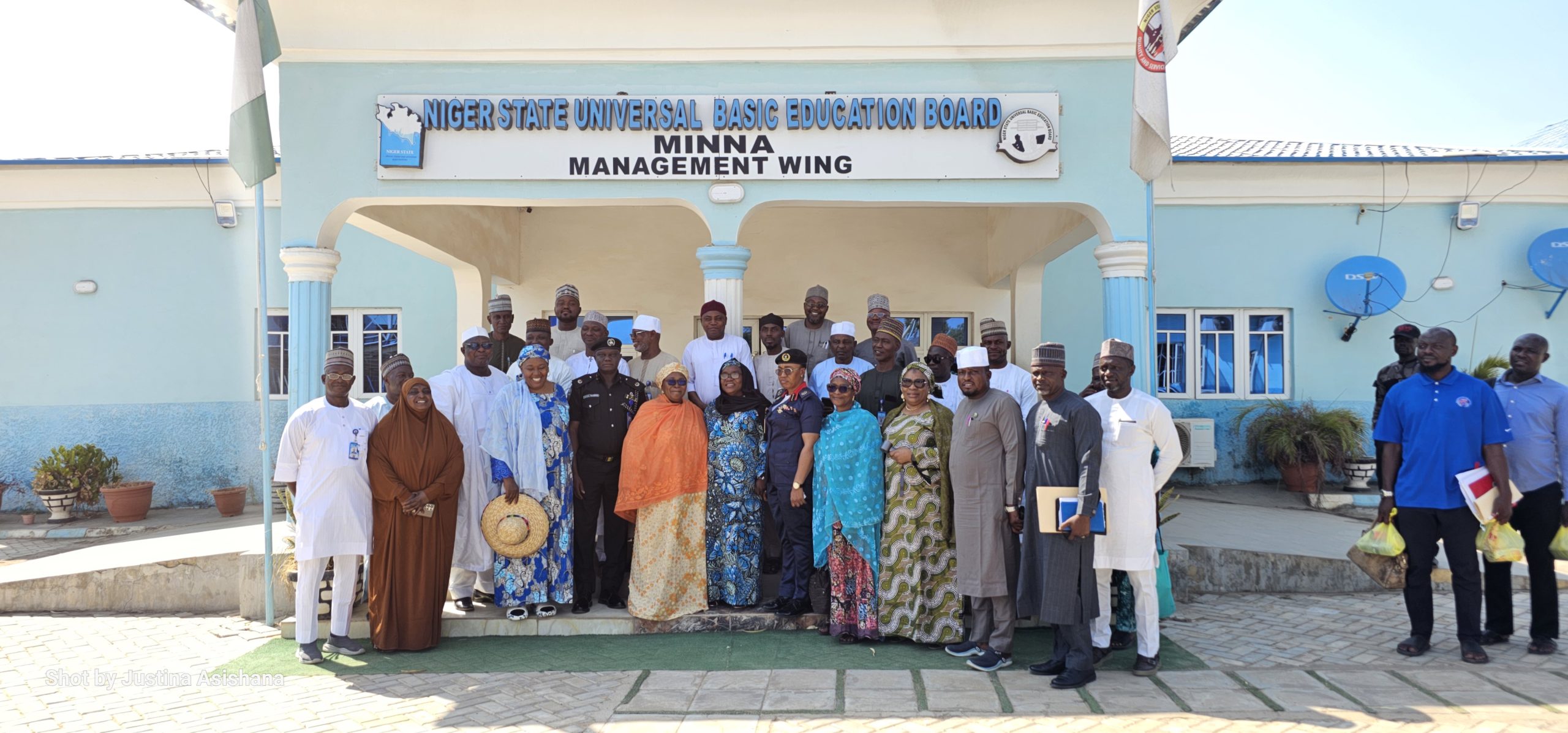
Niger state Commissioner of Education, Dr. Hadiza Mohammed who spoke to newsmen after an emergency inter-ministerial meeting on safe schools reopening on Tuesday emphasized the grim reality, “We cannot at once give the confirmation of reopenin because of the crisis we are in, security-wise.”
Schools in high-risk outskirts remain off-limits, with reopenings hinged on approvals from security agencies like police and NSCDC. The attack’s proximity to schools amplifies fears as communities are asking that if bandits can raze markets unchecked, then how safe are the schools and classrooms?
Phased reopening: Urban focus amid rural lockdown
Starting Monday, January 12, 2026, only select urban schools in “safe” LGAs will resume:
- Chanchaga LGA: Full urban reopening, including boarding schools.
- Bosso LGA: Partial, excluding insecure outskirts.
- Suleja LGA: Both public and private schools open, with crackdowns on illegal practices like unlicensed orphanages and boarding for primaries.
- Bida LGA: City-center schools prioritized.
Out of 45 boarding schools statewide, only 18 will initially reopen, down from 21 due to the Borgu attack.
The DG schools reforms stressed strategic assessments: “If the population of a school is too big, we’ll do shifts – morning and afternoon.”
She stated that private schools operating orphanages inside schools and schools offering boarding facilities for primary schools will face scrutiny, “Stop operating orphanages in schools; it puts kids in danger during crises,” she stated.
To bridge gaps, Commissioner of Information promise e-learning alternatives which would include online lessons, radio broadcasts, and devices for home use. “Learning must continue, security or no security,” the Commissioner declared.
The road ahead: Security first, education in peril
As Niger State battles escalating insecurity – from abductions to market massacres – the phased rollout aims to rebuild confidence.
But with Zone C reeling from the latest atrocity, rural students in Magama, Mariga, and beyond face prolonged disparities.
Governor Bago expressed “sadness” over the Borgu/Agwara raid, vowing to hunt perpetrators, but critics question if bottom-up security from LGAs can stem the tide.
This crisis isn’t just about desks and books – it is a fight for Niger’s future. Will phased reopenings spark hope, or will more attacks keep classrooms empty?
