


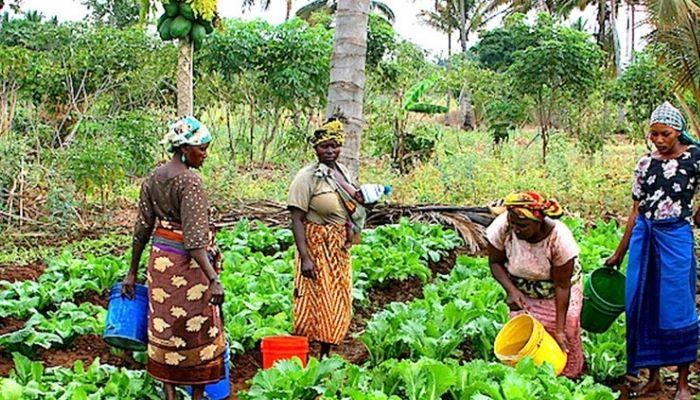
The Small-Scale Women Farmers Organization in Nigeria (SWOFON) has appealed to the Federal Government and the Federal Capital Territory (FCT) Administration to urgently address insecurity affecting farmers across the country.
The group said such intervention would guarantee safe access to farmlands and production zones, thereby boosting agricultural output and improving livelihoods.
The call was made during the presentation of SWOFON’s “Charter of Demand of Smallholder Women Farmers in the FCT” at a State-Level Interactive Forum and World Food Day commemoration organized by ActionAid in collaboration with SWOFON in Abuja.
Mrs. Comfort Sunday, FCT Coordinator of SWOFON, said enhanced security for farmers would promote agricultural productivity, raise household income, and drive sustainable development.
She stressed that empowering smallholder women farmers remains a critical pathway to achieving food security, reducing poverty, and promoting gender equality.
According to her, women farmers play a vital role in food production but continue to face multiple barriers, including poor access to land, agricultural inputs, credit facilities, technology, markets, and extension services.
“These challenges limit productivity, reduce household income, and weaken national food security,” she said.
Sunday explained that the charter represents the collective voice of smallholder women farmers in the FCT and calls for inclusive, gender-responsive agricultural policies that ensure equitable access to resources.
She urged the government to scale up public investment in agriculture, ensure timely and transparent budgeting, and make financing more accessible to farmers.
The SWOFON coordinator also called on FCT departments and area councils to fully implement the National Gender Policy in Agriculture, while prioritizing market access, infrastructure, and capacity building for extension services.
She further appealed for investment in gender-responsive post-harvest solutions such as processing centres, storage facilities, and market linkages to reduce food waste and improve livelihoods.
SWOFON also urged the government to strengthen women’s land tenure systems by granting cooperatives access to fertile land and protecting them from commercial evictions and land grabbing.
The group called for the recruitment of more agricultural extension agents and increased training in Climate-Resilient Sustainable Agriculture (CRSA) to promote climate adaptation and innovation among smallholder farmers.
It also advocated for the upgrading of rural roads, water systems, and the provision of affordable transport options such as tricycles to ease the movement of produce to markets.
Sunday said the charter would serve as a policy advocacy tool to influence government plans and budgets toward inclusive and gender-responsive agricultural development.
She expressed optimism that implementing the charter would improve the livelihood and productivity of women farmers, strengthen partnerships with the FCT Administration, and enhance food security.
