


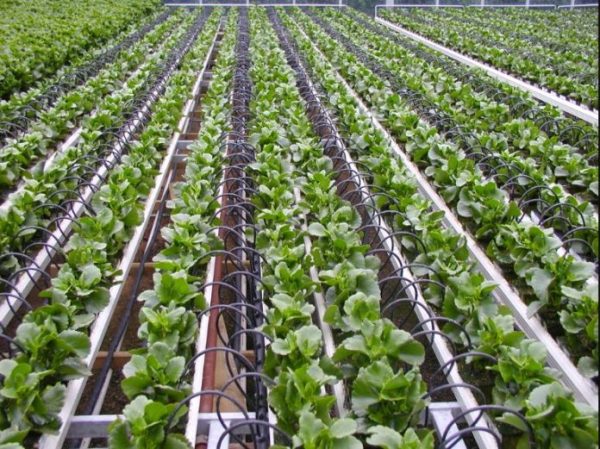
As climate change continues to shrink water supplies and disrupt rainfall patterns, farmers across the world are increasingly rethinking how they water their crops, with precision irrigation emerging as a practical response to a growing crisis.
Agriculture already accounts for approximately 70 per cent of global freshwater use, but experts say a significant share of this water is lost through inefficient irrigation methods, such as flooding and poorly controlled sprinklers. Much of the wasted water runs off fields or evaporates before crops can benefit, putting further pressure on rivers and underground aquifers.
FoodLAND Africa says precision irrigation is helping farmers change this narrative by applying water and nutrients only when and where crops actually need them. Rather than soaking entire fields, the system delivers measured amounts of water directly to plant roots, guided by real-time data on soil moisture, crop condition and weather.
Agritech specialists explain that precision irrigation is not a single machine, but a combination of tools, including soil sensors, automated valves, GPS mapping and digital decision-support software. These technologies work together to help farmers avoid guesswork and make informed watering decisions.
Guidelines from the FOODLAND project show that this approach can dramatically cut water losses common in traditional systems. Studies indicate that up to 30 per cent of water used in conventional irrigation can be lost before crops absorb it, while precision systems significantly reduce runoff and evaporation.
Research also suggests that precision irrigation can reduce water use by between 10 and 50 per cent, depending on local conditions, without sacrificing yields. In many cases, farmers report healthier soils and better crop performance, especially when irrigation is combined with efficient nutrient delivery systems.
The push toward precision irrigation is gaining momentum as climate change makes water supplies less predictable. Irregular rainfall, prolonged dry spells and increased competition for water are forcing farmers, particularly in semi-arid regions, to find ways to do more with less.
However, access remains a challenge. High upfront costs, limited technical knowledge and poor internet connectivity in rural areas have slowed adoption, especially among smallholder farmers. Stakeholders say targeted training, affordable technologies and supportive policies will be key to ensuring wider use.
Despite these hurdles, experts say precision irrigation is fast becoming more than a farming innovation. As water scarcity deepens, it is increasingly viewed as a lifeline for farmers striving to protect their livelihoods, secure food production and conserve one of the world’s most precious resources.
