


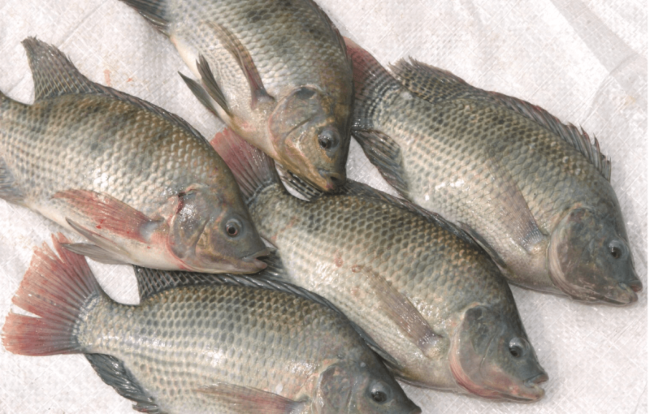
The Federal Government has pledged to end Nigeria’s dependence on fish importation by boosting local production and empowering youth and women with start-up grants in the aquaculture sector.
Minister of Marine and Blue Economy, Mr. Adegboyega Oyetola, made this known on Wednesday in Abuja during a consultative meeting with Fisheries Cooperative Groups.
He outlined the government’s vision to transform aquaculture into a pillar of food security, job creation, and export competitiveness. According to him, Nigeria must chart a new course toward self-sufficiency in fish production.
“The Federal Government is fully committed to supporting the fisheries and aquaculture subsector through policy, technical support, and financial inclusion,” Oyetola said. “We will scale up domestic fish production, reduce dependency on imports, and reposition the sector for sustainable growth.”
He emphasized that empowering young people and increasing their participation in aquaculture is vital not only for food production but also as a strategy to reduce unemployment. He reaffirmed the administration’s commitment to youth and women empowerment, noting that multiple initiatives are already underway.
The minister added that the ministry is actively engaging local and international partners to tackle the sector’s challenges. He disclosed ongoing discussions with the World Bank to secure financial support for fish farmers and said the ministry would collaborate with the Nigerian Agricultural Insurance Corporation (NAIC) to provide affordable insurance coverage.
“We are also in talks with the Federal Ministry of Water Resources to replicate the successful aquaculture model at the Oyan Dam in other regions,” Oyetola said. “This meeting is just the beginning of a sustained and transformative dialogue. Integrated planning and inter-ministerial cooperation are key pillars of our strategy.”
Permanent Secretary of the ministry, Mr. Olufemi Oloruntola, also reiterated its readiness to forge strong partnerships with cooperative societies to ensure inclusive sectoral growth.
Earlier, Mr. Mashi Sani, President of the Fisheries Cooperative Federation of Nigeria (FCFN), proposed a Sustainable Livelihoods and Fish Food Security Initiative (SLESI) aimed at enhancing livelihoods across the fisheries value chain.
He proposed a N75 billion, three-year budget for the initiative, which aims to create one million sustainable jobs, reduce post-harvest losses by 50 per cent, and boost national fish production by 35 per cent.
Sani stressed the importance of the fisheries sector to food security, income generation, and nutrition, especially for rural communities. However, he noted that the sector faces persistent challenges, including overfishing, poor infrastructure, limited access to finance, and weak extension services.
He urged the Ministry of Marine and Blue Economy to adopt and fund the SLESI in collaboration with the FCFN to secure sustainable livelihoods, ensure national food security, and advance Nigeria’s blue economy. He also called on the government to address critical issues such as poor transportation, weak market linkages, and inadequate technical support systems.
