


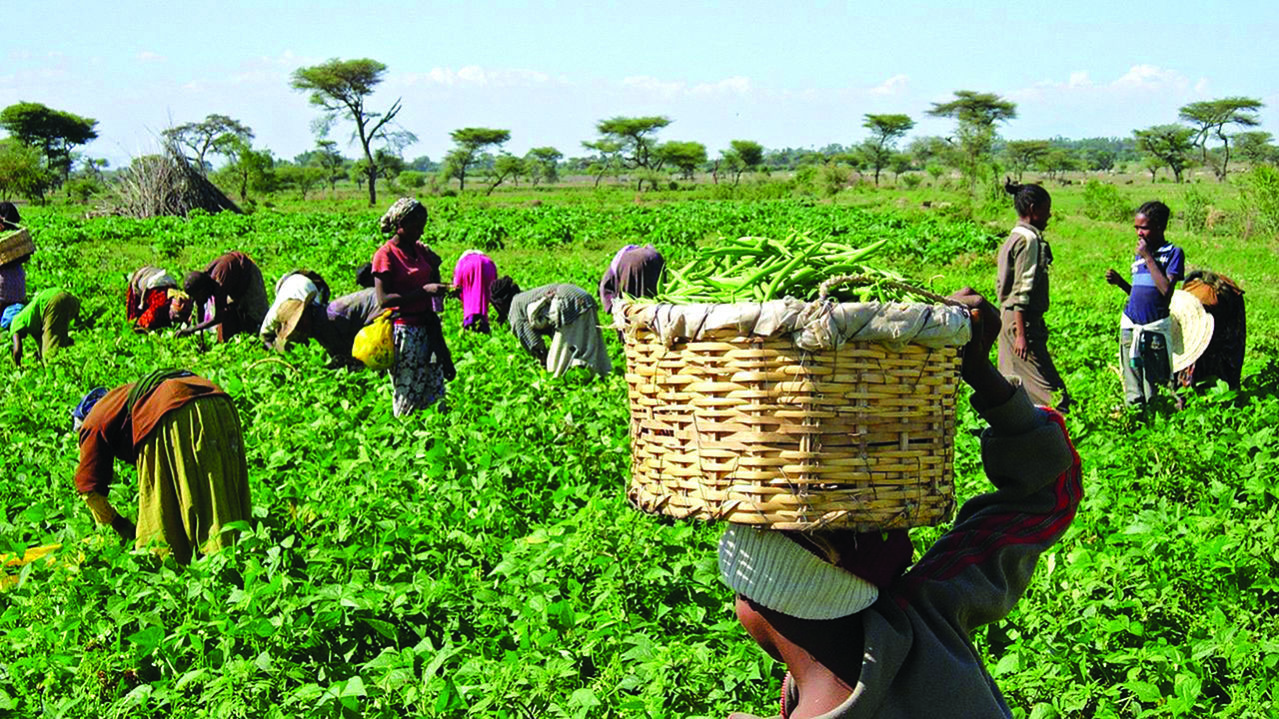
The Institute of Agricultural Research (IAR), Ahmadu Bello University (ABU), Zaria, has showcased new Tela maize varieties to farmers in Kano State.
The varieties were presented on Thursday during a “Greenfield Day” organised for farmers in Karaye Local Government Area.
IAR Executive Director Prof. Ado Yusuf said the new maize hybrids possess high-yielding, drought-tolerant and insect-resistant qualities capable of improving farmers’ grain yields.
Yusuf, represented by Principal Investigator Prof. Rabiu Adamu, noted that the new varieties were being tested in farmers’ fields for the first time in Nigeria.
He explained that the hybrids had undergone more than four years of testing in the institute’s research fields before being introduced to farmers for evaluation.
“One of the good qualities of these maize hybrids we are testing is high yield, early maturity, drought tolerance and resistance to insect pests and diseases.
“The hybrids can produce between eight and nine tonnes per hectare, equivalent to about 80 to 90 bags, while maturing within 90 to 110 days.
“So, our hybrids, because of their inherent resistance to insect pests and diseases, farmers will not need to spray against insect pests,” Yusuf said.
He added that the Greenfield Day was organised to enable farmers and other stakeholders to evaluate the varieties before their approval for mass production and commercial release.
According to him, 15 hybrids were initially evaluated, from which four were selected and tested alongside the farmers’ existing variety.
“We are asking farmers in various locations across the country to evaluate the five varieties and determine which one they want us to mass-produce for commercial release,” he said.
Yusuf stated that the Federal Government would approve the selected variety for commercial release after the evaluation process.
He said the project aimed to reposition maize as Nigeria’s leading crop in terms of production, noting that the country required about 21 million tonnes annually to meet the needs of its growing population.
The executive director added that IAR, which has existed for about 100 years, would continue to develop agricultural technologies and release improved crop varieties to boost productivity.
A lead farmer, Suyudi Karaye, said he planted the Tela maize alongside another variety and observed that it performed better.
Karaye noted that the Tela maize showed resistance to stem borers, adding that its adoption would increase yields and reduce farmers’ spending on insecticides.
The District Head of Karaye, represented by Bello Ahmed, expressed the farmers’ readiness to adopt the Tela maize technology.
He, however, called for government intervention through the distribution of fertiliser and agrochemicals to reduce production costs for farmers.
