


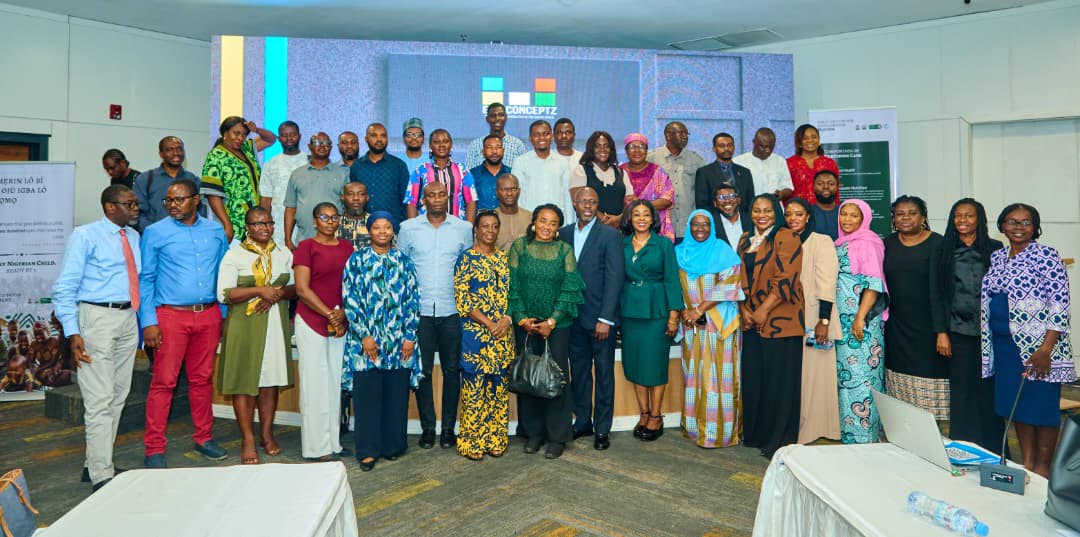
The International Centre for Environmental Health and Development (ICEHD) and the Birth Justice Initiative (BJI) are working to reduce maternal and newborn deaths in Nigeria by nurturing birth justice movements.
Ijeoma Egwuatu, a Global Fund for Women (GFW) representative and consultant for BJI in Nigeria, said this at a four-day stakeholders’ meeting in Abuja on Wednesday.
ICEHD, BJI’s anchor partner in Nigeria, hosted the in-person convening in partnership with GFW. It brought together members of Nigeria’s Movement Advisory Group (MAG) and representatives of supporting partners.
The initiative focuses on strengthening national birth justice networks and funding for maternal and newborn health. It aims to build Nigeria’s birth justice movement by advancing grassroots advocacy and fostering a more connected and inclusive movement for change.
According to Egwuatu, birth justice means ensuring that every woman, regardless of her economic status, age, disability, location or social background, has access to quality, safe, respectful and dignified healthcare before, during and after childbirth.
“The primary goal of BJI is to contribute to reducing maternal and newborn mortality by nurturing birth justice movements that amplify grassroots voices, leadership and advocacy for maternal and newborn health.
“It examines the social, economic and political conditions that affect pregnancy, childbirth and reproductive well-being. The health of a mother and her newborn are closely connected,” she said.
Egwuatu said access to quality antenatal care, skilled birth attendants, emergency obstetric care and appropriate postnatal services improves outcomes for both mothers and newborns.
She said the initiative operates in Kenya and Nigeria and uses participatory grant-making to direct resources to grassroots organisations.
Egwuatu said BJI’s ambition extends beyond providing financial support to individual organisations. Its advocacy priorities include improving respectful maternal healthcare, strengthening rural and grassroots movements, and promoting disability inclusion.
She said that, beyond medical complications, women face poverty, high healthcare costs, inadequate facilities, harmful social norms, gender-based violence and stigma.
“No woman should lose her life, experience discrimination, or be denied quality healthcare simply because of who she is, where she lives, or what she can afford.
“Birth justice is not a privilege; it is a matter of dignity, equity and human rights,” she said.
Egwuatu said the media was an important partner in raising awareness, amplifying women’s experiences, challenging harmful narratives and highlighting gaps in service delivery.
Emmanuella Nwabuije, executive director of Committed Soul Women Health Advocacy Africa Initiative and a BJI member, said the initiative aimed to address women’s rights and health.
She said it also sought to promote maternal health and gender justice, and to ensure women were respected, received maternity care and were properly supported during pregnancy.
Nwabuije said the initiative also addressed domestic violence, challenges during pregnancy and postpartum depression.
“We are pushing for people to be treated fairly, regardless of race, gender or religion, and for women to be treated fairly,” she said.
Odi Agev, an independent consultant, said the meeting aimed to raise awareness about safe pregnancies, maternal care and newborn health.
He said BJI also helped improve understanding of, and access to, health services.
Agev urged organisations to continue raising awareness, producing educational materials and directing people to facilities where they could access services.
“Information is power. Information is key. Many women and other people do not know where to get information or access services,” he said.
Participants discussed ways to strengthen grassroots leadership, improve collective advocacy and ensure women’s, girls’ and other marginalised communities’ experiences remained central to decisions affecting their health and well-being.
