


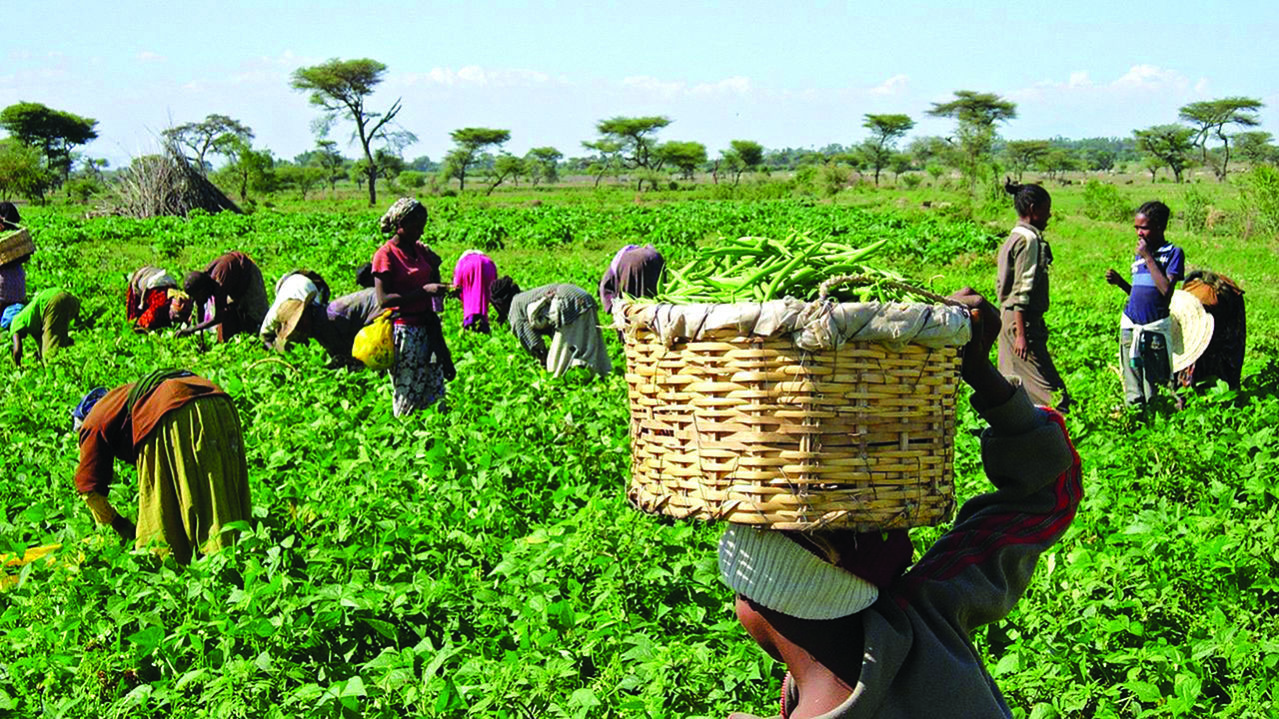
Farmers in Zimbabwe report that climate-smart agriculture initiatives have improved harvests and strengthened food security.
In the Mberengwa and Bulilima districts, farmers noted higher yields of maize and traditional grains, according to the Zimbabwe Broadcasting Corporation (ZBC), a partner of TV BRICS.
Local farmers said favorable rainfall, combined with modern farming techniques, has transformed agricultural output in Mberengwa. Despite the region’s classification as an arid zone, communities are now recording notable productivity gains.
Farmers attributed the improvements to mechanized tools and conservation agriculture practices introduced under national support programs. These measures have reduced labor demands and increased efficiency during planting and cultivation.
READ ALSO: Stakeholders project 20,000 jobs through smart agriculture and bamboo development
Participants reported that access to equipment has significantly shortened preparation times, enabling faster and more effective field management. As a result, smallholder farmers are achieving higher yields and more consistent production.
In Bulilima district, similar progress has led to surplus output, allowing households not only to meet their food needs but also to generate income from market sales. Increased earnings are supporting essential expenses, including education.
Agricultural officials highlighted that the program is expanding rural farmers’ capacity to adapt to climate variability. Training in climate-resilient techniques and ongoing advisory support have contributed to wider adoption of sustainable practices.
Supported through an adaptation-focused funding mechanism, the initiative has reached more than 2,000 small-scale farmers across several provinces. It aims to build resilience, improve livelihoods, and support the transition from subsistence to commercial farming.
