


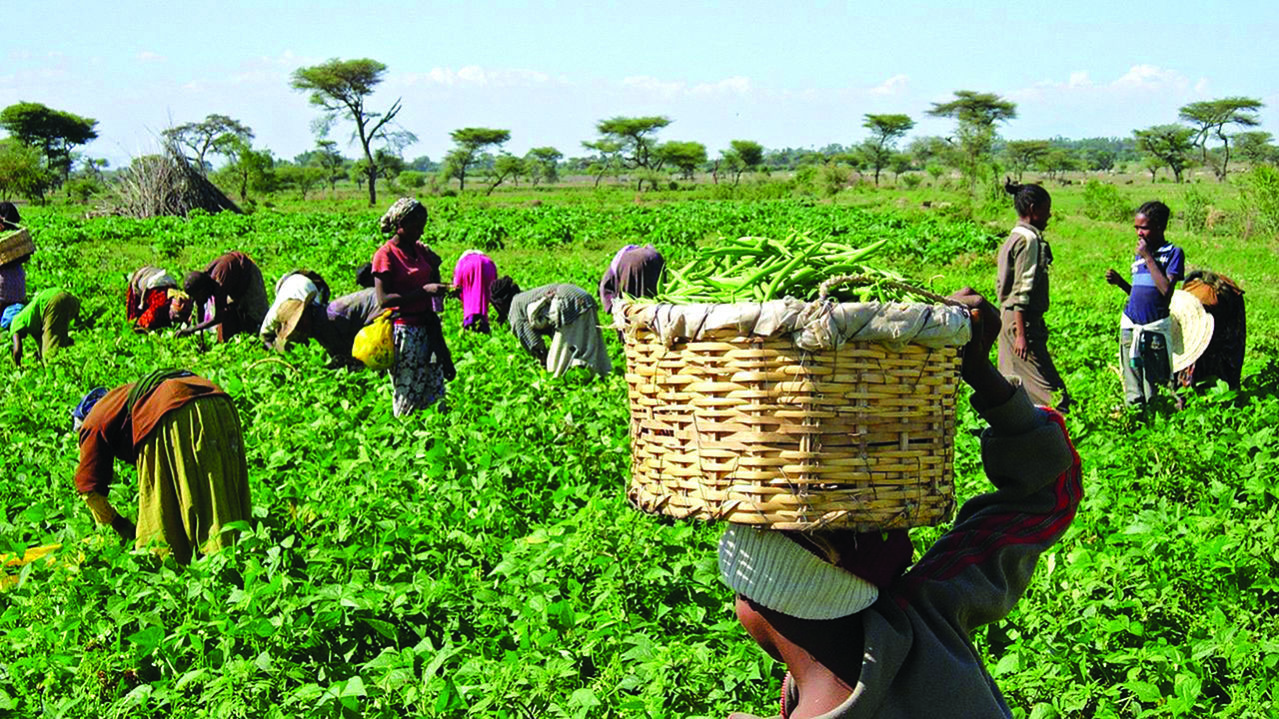
The Abia State Government on Thursday launched the Abia Agriculture Dynamic Database System (Abia ADDS) platform, a digital initiative aimed at boosting agricultural data collection, farmer identification, planning, and targeted interventions across the state’s 17 Local Government Areas.
The platform is expected to empower farmers, improve productivity, and position Abia as a leading agricultural hub in Nigeria.
Governor Okezie Ikpeazu unveiled the initiative at the two-day Abia Tech and Innovation Summit held at the International Conference Centre, Umuahia. Represented by his Chief of Staff, Dr. Caleb Ajagba, the governor described the launch as a transformative step for the state’s agricultural development.
“Agriculture is not merely a sector of our economy; it is the heartbeat of our communities and a pathway to sustainable prosperity,” Ajagba quoted the governor as saying. “For too long, farmers have lacked reliable data, predictable access to inputs, extension services, finance, and markets. Policymakers have had to rely on fragmented, outdated data to make decisions. Gaps in registration, land use information, value chain mapping, and market intelligence have constrained investment and undermined productivity.”
In a keynote speech, Commissioner for Agriculture, Dr. Cliff Agbaeze, said the launch ushers in an era where decisions will be guided by accuracy, truth, and intelligence, not assumptions.
Agbaeze noted that Abia ADDS was introduced because, for decades, farmers had worked tirelessly yet remained largely invisible in the system—“unknown, uncounted, unaccounted for, and unrecognized.”
He explained that the platform aligns with the governor’s vision to establish a sustainable, competitive, and resilient agricultural sector, boost food production, create job opportunities, and contribute to the state’s economic growth.
“The Abia ADDS platform is more than a database; it is a powerful engine of transformation. With it, we can now identify every real farmer in Abia, plan targeted, efficient, and equitable interventions, and distribute inputs fairly and transparently,” he said.
