


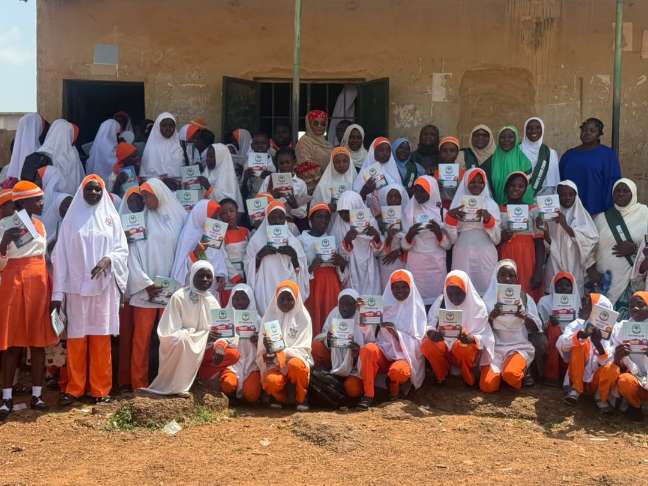
Poorly planned settlements can expose communities to flooding, restrict emergency response and create opportunities for criminals to evade security agencies, the chairperson of the Nigerian Institute of Town Planners (NITP) Women Wing, Niger State chapter, Tpl Habiba Ahmed, has warned.
Ahmed said inadequate roads, poor drainage systems and uncontrolled development could undermine the safety of residents and make it difficult for government agencies to provide essential services, including water, electricity, waste collection and security.
She spoke while addressing senior secondary school students of Chachanga Day Secondary School, Niger State, where she highlighted the importance of urban and regional planning to community safety, environmental sustainability and national development.
According to her, communities that develop without proper layouts often struggle with flooding, restricted movement and inadequate infrastructure, particularly during the rainy season.
Ahmed explained that properly planned settlements require accessible roads, functional drainage systems, designated public facilities and sufficient space for essential services.
“Planning is about convenience, security, safety and what have you. If you plan, at the end of the day, you achieve goals. If you don’t plan, you achieve problems,” she said.
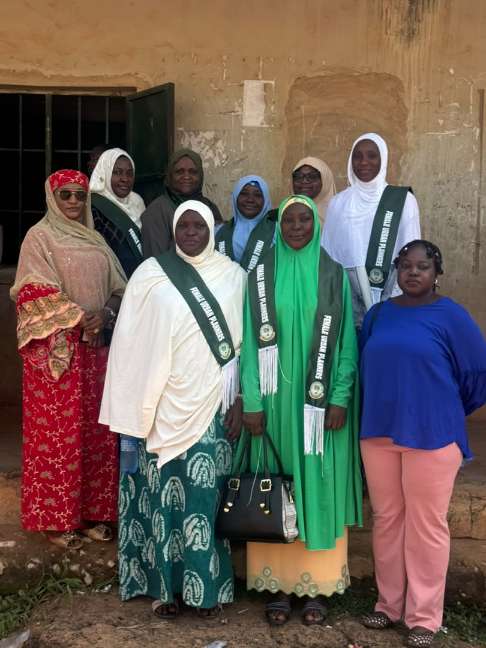
Ahmed’s warning comes against the background of Niger State’s experience with devastating floods and persistent insecurity, highlighting the importance of integrating land-use planning, infrastructure development and emergency preparedness into the management of communities.
In May 2025, flooding in Mokwa claimed numerous lives and displaced thousands of residents. The National Emergency Management Agency (NEMA) reported that 151 bodies had been recovered by May 31, while 3,018 people were displaced and 503 households were affected.
In another incident, Ahmed said flooding in Tafa and Lambata communities in Gurara Local Government Area in August 2025 affected 607 people and displaced 144. A NEMA assessment identified inadequate drainage and an undersized bridge on the Lambata-Lapai road as factors that worsened the flooding.
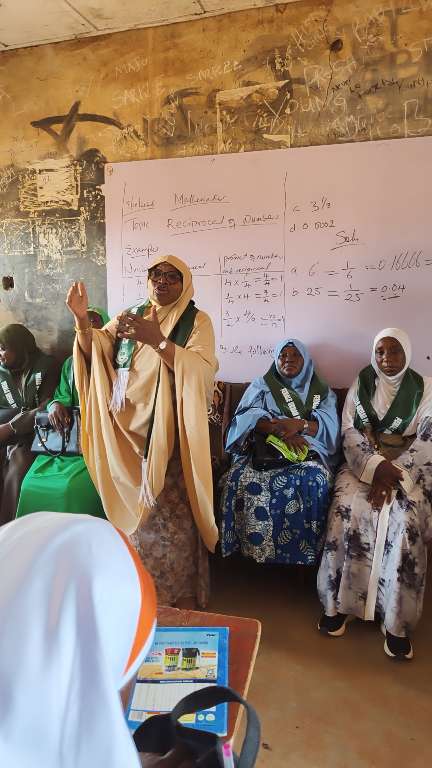
The incidents demonstrate the consequences that inadequate infrastructure and weaknesses in flood management can have on communities. They also reinforce the need to consider drainage, access roads, land use and flood risks before approving or undertaking physical development.
Niger State already has a formal urban development framework. The state government’s urban development authorities require developers to obtain planning approval before undertaking physical development in urban areas, while the state’s Urban Development Policy, developed with technical support from UN-Habitat, seeks to promote more connected, inclusive and resilient settlements.
Effective implementation, monitoring and enforcement remain important to translating such frameworks into safer communities.
Addressing the security implications of poor planning, Ahmed said inadequately planned communities could give criminals opportunities to move around undetected while making it difficult for security agencies to navigate the environment.
She argued that town planners should work closely with security agencies to identify suitable locations for security facilities and surveillance equipment, establish accessible routes and improve the understanding of local terrain.
“If an area is not planned, it is very difficult to attack criminals because it is very convenient for them to enter anywhere and hide,” she said.
Ahmed urged the students to recognise that planning extends beyond government projects and urban development, explaining that individuals also apply planning principles when organising their daily activities and working towards personal goals.
She stressed that the quality of the built environment depends largely on the decisions made about how land is used, where facilities are located and how communities are connected.
The Secretary of the Association, Dr Valda Martins spoke to the students on gender-based violence, how to identify it and report perpetrators to the appropriate authorities.
