


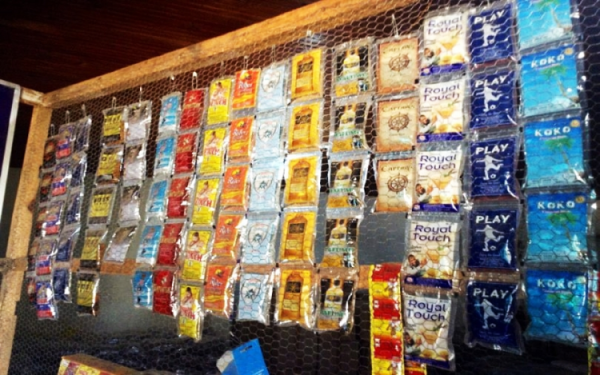
The enforcement of the ban on sachet alcohol by the National Agency for Food and Drug Administration and Control (NAFDAC) has continued to attract commendations from pro-health groups across Africa.
This is contained in a statement signed by Mr Philip Jakpor, Executive Director of the Renevlyn Development Initiative (RDI), on Tuesday in Lagos.
Jakpor said the groups include the Uganda Alcohol Policy Alliance (UAPA) and Vision for Sustainable Accelerated Development (VAST-Ghana).
He noted that several Nigerian civil society organizations had urged NAFDAC to remain firm, dismissing industry claims as attempts to obstruct regulation.
Jakpor said such resistance aligns with global patterns where alcohol industry groups oppose public health policies.
The Chairperson of UAPA, Juliet Namukasa, in a letter to the Director-General of NAFDAC, commended the agency for decisively enforcing the ban on sachet and small-volume alcoholic beverages.
Namukasa described the move as a public health-driven policy aimed at curbing harmful alcohol use, particularly among children and young people.
She said the renewed enforcement demonstrates Nigeria’s commitment to evidence-based regulation that prioritizes public health over commercial interests.
According to her, sachet alcohol is inexpensive, easily concealed, and widely accessible—factors that significantly contribute to underage drinking and alcohol-related harm.
She added that sustained enforcement would align Nigeria with global best practices in alcohol control.
VAST-Ghana called on the Ghanaian government to emulate Nigeria’s example to safeguard public health, especially that of children.
The organization commended NAFDAC for enforcing the nationwide ban on sachet alcohol and alcoholic beverages packaged in bottles below 200 milliliters, despite opposition from the alcohol industry.
VAST-Ghana noted that sachet alcohol contributes to early alcohol use, addiction, and long-term health complications.
It urged Ghana’s Food and Drugs Authority to exercise its powers under the Public Health Act (Act 851) to impose a similar ban through administrative action.
The enforcement of the sachet alcohol ban commenced on January 22, 2026, following more than two years of engagement between NAFDAC and industry stakeholders.
The Association of Food, Beverage and Tobacco Employers and the Distillers and Blenders Association of Nigeria had, in December 2018, signed an agreement with the Federal Ministry of Health and NAFDAC to phase out sachet alcohol and PET bottles below 200 milliliters by January 31, 2024.
An extension was later granted to allow manufacturers additional time to comply.
However, the Food, Beverage and Tobacco Senior Staff Association criticized the policy, claiming it disrupted operations and threatened jobs.
The Nigeria Employers’ Consultative Association and the Manufacturers Association of Nigeria also opposed the ban, citing potential job losses.
NAFDAC maintained that the policy would not be reversed, stating that early exposure to alcohol poses serious health risks to children.
The agency emphasized that the policy targets specific packaging formats and does not amount to shutting down manufacturing companies.
