


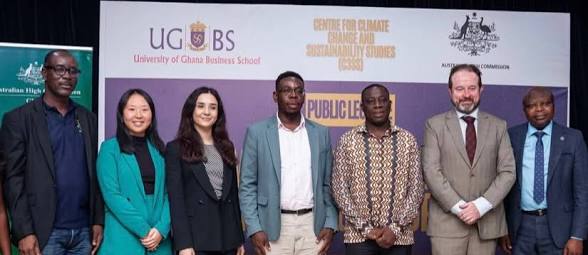
A climate justice ambassador and food security expert, Mr Oluwatobiloba Ojuoluwa, has called for stronger representation of African countries and other Global South nations in international climate negotiations.
Ojuoluwa made the call in an interview with reporters in Ibadan on Tuesday.
The climate justice advocate said true climate justice could only be achieved when all countries have equal opportunities to influence decisions that affect their people.
He noted that despite growing recognition of Africa’s role in climate discussions, key decisions are still largely driven by developed countries.
According to him, climate justice is not only about addressing the impacts of climate change but also about ensuring fairness, equality, and inclusive participation in global climate governance.
“There is also a conversation around neo-colonialism, whereby Global South countries are really not having the voice they ought to have.
“Many times, decisions are made for us on what should be done, and that is not climate justice.
“Climate justice is when everybody has a say in every particular conversation,” Ojuoluwa said.
The climate expert commended the United Nations Framework Convention on Climate Change (UNFCCC) for creating a constituency for persons with disabilities, saying it would enhance inclusion in future climate negotiations.
He explained that the new arrangement would provide persons with disabilities a dedicated platform to present their concerns at the Conference of the Parties (COP31), scheduled to hold in Türkiye later this year.
Ojuoluwa urged governments and development partners to promote locally driven climate solutions rather than imposing technologies through grants and external interventions.
He added that climate policies and technologies should reflect the realities and needs of local communities to achieve lasting impact.
Ojuoluwa reiterated that Africa must continue to advocate for equitable participation in global climate governance to ensure that the continent’s interests and those of vulnerable communities are adequately represented.
