


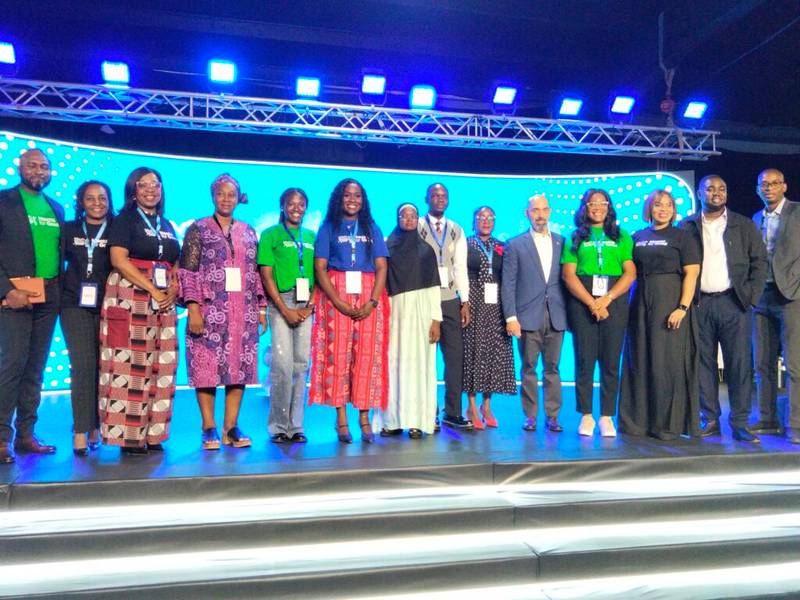
Stakeholders in the health and nutrition sector have called for greater collaboration among governments, development partners, and communities to address rising cases of malnutrition and improve nutrition outcomes nationwide.
They warned that poor nutrition would continue to affect future generations if left unaddressed.
The stakeholders made the call at the 2026 edition of the Nestlé for Good Summit held on Thursday in Lagos. The theme of the summit was: “Nutrition Across the Life Stages: Closing Nutrition Gaps Through a Coordinated Approach”.
They noted that Nigeria continues to face the double burden of malnutrition, with undernutrition and obesity coexisting across different population groups.
The Programme Team Lead of the Nutrition Society of Nigeria, Mrs Amaka Nwaora, said nutrition challenges begin from conception and could persist throughout life without early interventions. She highlighted high levels of stunting, micronutrient deficiencies, and anaemia among women and children under five, while noting the rising cases of obesity and diet-related non-communicable diseases such as diabetes and cardiovascular illnesses.
“Nigeria is dealing with undernutrition and overnutrition at the same time. The answer to this is collaboration. If these issues are not addressed early, they continue across generations and create wider health and economic problems for society,” she said.
Also speaking, the Country Director of IDH Nigeria, Prof. Eniola Fabusoro, said Nigeria does not lack nutrition programmes or policies but needs to improve access to and affordability of healthy foods. He stressed that increasing food production alone would not solve malnutrition if vulnerable households cannot afford nutritious meals.
“We need to improve the purchasing power of vulnerable people. The question is not just whether food is available in the market, but whether ordinary Nigerians can afford it,” he said.
Ms Victoria Uwadoka, Corporate Communications, Public Affairs and Sustainability Lead at Nestlé Nigeria, said the company is promoting nutrition across all life stages through education, research, and product innovation. She noted that Nestlé is working with stakeholders to provide science-based nutrition information and products tailored to local needs, with a strong focus on addressing iron deficiency and anaemia.
Uwadoka added that the company has expanded its focus beyond infant nutrition to healthy ageing and support for older adults.
“We are improving access to nutrition information, investing in innovation and developing products that address nutritional needs across different life stages,” she said.
Mrs Taiwo Fadairo, State Nutrition Officer at the Lagos State Ministry of Health, urged stakeholders to work together to make healthy meals more affordable for Nigerians.
In his welcome remarks, the Managing Director of Nestlé Nigeria Plc, Mr Wassim Elhusseini, said the summit reflects the company’s commitment to creating shared value through nutrition, thriving communities, and environmental sustainability. He emphasised that nutrition should be viewed as a complete system involving sourcing, production, storage, distribution, and accessibility.
“When livelihoods improve and systems work better, families become healthier and communities become more resilient,” he said.
Elhusseini highlighted the company’s investments in grain quality improvement, dairy development, women’s empowerment, youth upskilling, and regenerative agriculture to strengthen food systems.
The Sustainability Manager of Nestlé Nigeria Plc, Ms Chinwe Obi, explained that the company’s sustainability agenda focuses on protecting and strengthening critical systems such as water resources, agriculture, and supply chains.
“All of the initiatives we have spoken about are connected by one basic principle: protecting the systems that we depend on, ensuring that we enhance them, and ensuring that we strengthen them,” she said.
Obi highlighted water stewardship, regeneration, and conservation programmes, as well as the regenerative agriculture initiative aimed at improving soil health and farmers’ livelihoods.
