


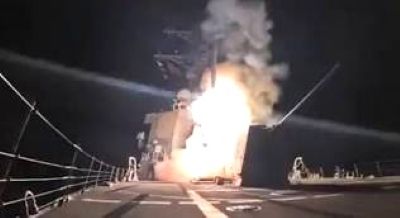
All Nigerians who respect national dignity, constitutionalism, and sovereignty should be extremely concerned about this development. Even when described as a “joint operation,” reports of a US military strike in northwest Nigeria raise significant normative and political concerns regarding the boundaries of outside intervention in Nigeria’s security matters. The normalisation of foreign military intervention under the pretence of counterterrorism collaboration, which reproduces subtle but enduring forms of neocolonial power over African governments, is a problematic tendency reflected in such operations.
The terminology allegedly used by the US President Donald Trump to describe the operation as a reaction to terrorists “targeting Christians” is especially troublesome. This description is harmful from a political and analytical standpoint. It obscures the structural causes of violence and perpetuates Islamophobic global narratives by reducing Nigeria’s complicated security crisis to a religious binary. Nigerian authorities and academics have long recognised that the country’s instability is not caused by religious conflict but rather by a confluence of criminality, poor governance, poverty, institutional degradation, and socioeconomic exclusion. Such simplistic framing runs the risk of exacerbating already precarious interreligious ties and intensifying community polarisation.
ALSO READ Report reveals U.S. conducting surveillance flights over Nigeria
Beyond rhetoric, the presence of foreign military operations on Nigerian soil raises serious questions about constitutional authority and sovereignty. It is required of a sovereign state to maintain sole authority over the lawful use of force inside its boundaries. This fundamental concept is symbolically undermined when a foreign power officially announces military actions carried out inside Nigeria. Nigeria’s position as an independent actor in international affairs is weakened by the power imbalance involved, even in cases where consent or cooperation may be present.
This incident falls within a larger trend of neocolonial security governance in Africa, where foreign powers increasingly use the continent as a testing ground for counterterrorism initiatives. The United States has increased its military presence and influence throughout Africa through organisations like AFRICOM, frequently putting geopolitical and strategic objectives ahead of locally based peacebuilding. By prioritising monitoring, kinetic operations, and strategic access above long-term institution-building, these arrangements tend to reproduce reliance rather than lasting security capacity.
The democratic deficit around these security agreements is also concerning. Decisions that have a significant impact on human safety and national sovereignty seem to be made in closed military and diplomatic circles with little legislative oversight or transparency. Rather than through responsible domestic institutions, Nigerians learn about activities carried out on their own territory from foreign declarations. This erodes public confidence in democratic processes, reduces civilian authority over the security sector, and threatens constitutional governance.
Significant risks of escalation and unforeseen consequences also exist. Foreign military actions have the potential to spark reprisals, exacerbate grievances, and provide extreme organisations with propaganda about external dominance. Such measures could further destabilise already vulnerable areas and radicalise impacted groups instead of reducing violence. Therefore, security tactics that mainly rely on outside force run the risk of creating the very circumstances they are meant to eradicate.
In the end, Nigeria cannot import sustained security. It necessitates the rebuilding of domestic security institutions using reliable intelligence systems, professionalism, accountability, and respect for human rights. Addressing the socioeconomic causes of insecurity, such as poverty, unemployment, marginalisation, and poor governance, is equally crucial. By establishing a clear legal framework governing any foreign military cooperation and guaranteeing strong parliamentary scrutiny, Nigeria must restore its constitutional authority. International collaborations must be based on respect for one another, openness, and Nigerian leadership rather than reliance. For counterterrorism to be legitimate and successful, it must bolster democracy and sovereignty rather than undermine them; otherwise, collaboration runs the risk of turning into a modern manifestation of neocolonial rule with long-term repercussions for Nigeria’s stability and autonomy.
Muhammad, a Professor of International and Strategic Studies, writes from Northwest University, Kano
