


• Home
  • Agric
  • Sci & Tech
  • Health
  • Environment
  • Hausa News
  • More
    • Business/Banking & Finance
    • Politics/Elections
    • Entertainments & Sports
    • International
    • Investigation
    • Law & Human Rights
    • Africa
    • ACCOUNTABILITY/CORRUPTION
    • Hassan Gimba
    • Column
    • Prof. Jibrin Ibrahim
    • Prof. M.K. Othman
    • Defense/Security
    • Education
    • Energy/Electricity
    • Entertainment/Arts & Sports
    • Society and Lifestyle
    • Food & Agriculture
    • Health & Healthy Living
    • International News
    • Interviews
    • Investigation/Fact-Check
    • Judiciary/Legislature/Law & Human Rights
    • Oil & Gas/Mineral Resources
    • Press Freedom/Media/PR/Journalism
    • General News
    • Presidency
  • About Us
    • Contact Us
    • Board Of Advisory
    • Privacy Policy
    • Ethics Policy
    • Teamwork And Collaboration Policy
    • Fact-Checking Policy
    • Advertising
  • Media OutReach Newswire
    • Wire News
  • The Stories
Facebook Twitter Instagram
Trending
  • Abia govt approves new climate change policy, prioritises disability inclusion
  • World Hijab Day: Group seek review of NYSC uniforms
  • Libya deports undocumented Nigerian migrants
  • My husband asks for sex 8 times every night, woman tells court
  • Anambra seeks LG chairmen’s support for measles–rubella vaccination campaign
  • Librarians’ Council lauds Northwest varsity for establishing well-equipped library, e-library
  • LAWMA arrests cart pushers for illegal dumping on Lagos–Badagry expressway
  • Kaduna eliminates Trachoma as public health threat
Facebook Twitter Instagram YouTube
AsheNewsAsheNews
  • Home
  • Agric

    How Corteva Agriscience is boosting South Africa’s farming system

    January 31, 2026

    AI-driven project targets climate resilient crops for farmers in Africa

    January 31, 2026

    FG empowers 40 cooperatives with farm inputs in Yobe

    January 30, 2026

    Katsina to host 3,750 housing units, aquaculture project financed by COSMOS

    January 30, 2026

    ActionAid empowers 12,000 FCT farmers with agroecology skills

    January 30, 2026
  • Sci & Tech

    Expert urges federal govt to tackle multiple taxation in telecoms sector

    January 31, 2026

    Airtel Africa mobile money transactions top $210bn as subscribers hit 52m

    January 31, 2026

    Nigeria, KOICA partner to drive digital transformation in public service

    January 30, 2026

    NDPC leads Abuja roadshow to promote data protection awareness

    January 30, 2026

    NOTAP backs Nigerian developers to $1m sales

    January 29, 2026
  • Health

    Anambra seeks LG chairmen’s support for measles–rubella vaccination campaign

    January 31, 2026

    Kaduna eliminates Trachoma as public health threat

    January 31, 2026

    Kogi records milestone in fight against NTDs, halts treatment for Lymphatic filariasis

    January 31, 2026

    Bauchi introduces nutrition supplement to tackle child undernutrition

    January 31, 2026

    Bus crash En route to Bayelsa deputy gov burial leaves 2 dead

    January 30, 2026
  • Environment

    Abia govt approves new climate change policy, prioritises disability inclusion

    January 31, 2026

    LAWMA arrests cart pushers for illegal dumping on Lagos–Badagry expressway

    January 31, 2026

    YASIF, IBM train 15,000 Nigerian youths for green, digital economy

    January 31, 2026

    Kukah urges religious leaders to speak out against environmental exploitation

    January 31, 2026

    LASEMA holds retreat to honor responders, boost emergency preparedness

    January 31, 2026
  • Hausa News

    Anti-quackery task force seals 4 fake hospitals in Rivers

    August 29, 2025

    [BIDIYO] Yadda na lashe gasa ta duniya a fannin Ingilishi – Rukayya ‘yar shekara 17

    August 6, 2025

    A Saka Baki, A Sasanta Saɓani Tsakanin ‘Yanjarida Da Liman, Daga Muhammad Sajo

    May 21, 2025

    Dan majalisa ya raba kayan miliyoyi a Funtuwa da Dandume

    March 18, 2025

    [VIDIYO] Fassarar mafalki akan aikin Hajji

    January 6, 2025
  • More
    1. Business/Banking & Finance
    2. Politics/Elections
    3. Entertainments & Sports
    4. International
    5. Investigation
    6. Law & Human Rights
    7. Africa
    8. ACCOUNTABILITY/CORRUPTION
    9. Hassan Gimba
    10. Column
    11. Prof. Jibrin Ibrahim
    12. Prof. M.K. Othman
    13. Defense/Security
    14. Education
    15. Energy/Electricity
    16. Entertainment/Arts & Sports
    17. Society and Lifestyle
    18. Food & Agriculture
    19. Health & Healthy Living
    20. International News
    21. Interviews
    22. Investigation/Fact-Check
    23. Judiciary/Legislature/Law & Human Rights
    24. Oil & Gas/Mineral Resources
    25. Press Freedom/Media/PR/Journalism
    26. General News
    27. Presidency
    Featured
    Recent

    Abia govt approves new climate change policy, prioritises disability inclusion

    January 31, 2026

    World Hijab Day: Group seek review of NYSC uniforms

    January 31, 2026

    Libya deports undocumented Nigerian migrants

    January 31, 2026
  • About Us
    1. Contact Us
    2. Board Of Advisory
    3. Privacy Policy
    4. Ethics Policy
    5. Teamwork And Collaboration Policy
    6. Fact-Checking Policy
    7. Advertising
    Featured
    Recent

    Abia govt approves new climate change policy, prioritises disability inclusion

    January 31, 2026

    World Hijab Day: Group seek review of NYSC uniforms

    January 31, 2026

    Libya deports undocumented Nigerian migrants

    January 31, 2026
  • Media OutReach Newswire
    • Wire News
  • The Stories
AsheNewsAsheNews
Home»Column»Prof. Jibrin Ibrahim»The Forgotten Identity Divide: Unifying Nigerian Goats, By Prof. Jibrin Ibrahim
Prof. Jibrin Ibrahim

The Forgotten Identity Divide: Unifying Nigerian Goats, By Prof. Jibrin Ibrahim

EditorBy EditorApril 18, 2025No Comments5 Mins Read
Prof. Jibrin Ibrahim
Share
Facebook Twitter LinkedIn Pinterest Email

This week, I wanted to write again on recent killings amongst Nigerians based on ethno-religious divides and felt a deep sense of fatigue – I have been doing it for decades and the problems are getting worse not better. Fed up with the Nigerian humans, I thought I should write on the easier task of unifying our goats. The idea was from our houseworker who just lost a relation and was directed to provide nine goats for the funeral ceremony. She told me that the instruction came with a clear conditionality, the goats must be proper southern goats and northern goats will not be accepted. Sigh. Nigerians!

Then I remembered that my university in Zaria, Ahmadu Bello, had a scientific project in the 1980s to produce a Nigerian goat through cross breeding the southern and northern species. I called the university and asked for the number of the Director of the National Animal Production Research Institute (NAPRI) and asked him whether they have finally produced the Nigerian goat.  The Director, Prof M. Y. Hassan responded that he had no idea what I was talking about, (he might also have thought I was nuts as he does not know me and my sometimes-funny questions). I explained that I was a lecturer in the university in the 1980’s and 1990s when NAPRI started a cross breeding programme to produce the Nigerian goat. He said he was not yet in the faculty at that time but would find out and get back to me.

I was pleasantly surprised at how conscientious Prof Hassan was. Four hours later, he sent me a brief explaining the project and ended the report with something we are so used to, it was a good promising project which had to close because government which initiated it stopped the funding. I called a few old NAPRI staff for additional information on the story of the Nigerian goat project which you, my dear readers, can enjoy today.

The Nigerian goat community is divided into two distinct identities that have difficulties co-existing in the same ecological space. In the South, you have the West African Dwarf goat which is indigenous to the forest zone. It is short, very meaty but does not produce much milk and is above all, trypanotolerant.  This means it has the ability to survive and remain productive despite infection with trypanosomes, the parasites that cause trypanosomiasis (also known as sleeping sickness). They are not immune to the infection, but their bodies can effectively control the parasite’s development and limit the disease’s effects, particularly the anaemia caused.

The northern goat is found in the Sahel and Sudan savannah of Northern Nigeria and has a big, tall and lanky frame nut does not have a lot of meat. Scientists call it the Maradi red goat and it is especially noted for its good skin which has been a valuable export commodity for centuries. For five hundred years, the famous Moroccan leather exported all over the world from Morocco was actually Maradi red goat skin traded from Northern Nigeria across the desert. It is bred by households all over the region but also by Fulani cattle herdsmen who appreciate its good milk yield. When they take it south during the dry season, they suffer a lot of loss because of its major drawback of poor resistance to trypanosomiasis. Maradi red has also developed a high capacity to transform limited vegetation available in its poor diet to survive and indeed prosper.

The project objective was to use cross breeding between Maradi red and southern dwarf to produce goats that would provide improved meat and mild yields, survive well in every part of the country and have a high level of trypanotolerance. Ahmadu Bello University set up a cross breeding centre in Ubiaja in Edo State to produce the Nigerian goat. The project was steered by NAPRI’s Small Ruminant Research Programme which has vast experience in breeding, selecting, and supplying improved males to farmers. The crossbred goats being both milk-producing and trypanotolerant, would be a valuable asset for sustainable milk production in the southern part of Nigeria, hence its location in the then Bendel State. The project was to help address the ever-increasing demand for livestock production to cater for the nutritional needs of the rapidly growing human population in Nigeria. The results of the project were promising but then, the sponsors – the Directorate of Food, Roads and Rural Infrastructure under the Babangida Administration was scrapped, funding ceased and the unified Nigerian goat died the normal Nigerian death.

The Nigerian State in very good at initiating great projects that would address the needs of the country. Unfortunately, both planning and public administration have collapsed and most projects that are initiated collapse before objectives are achieved. The Ajaokuta Iron and Steel project is maybe the most famous that could have set us up on the path to industrialization decades ago but remains in shambles. Nigeria has not been able to build on the gains of the Second National Development Plan and subsequently, planning itself was side-lined in the country. When the story of great projects started and abandoned by kleptocracies whose only interest have been contracts and bribes, we will continue to lament and tell stories as we do confirm projects are part of our national sports. Nigerians, should we revive the unified goat project?
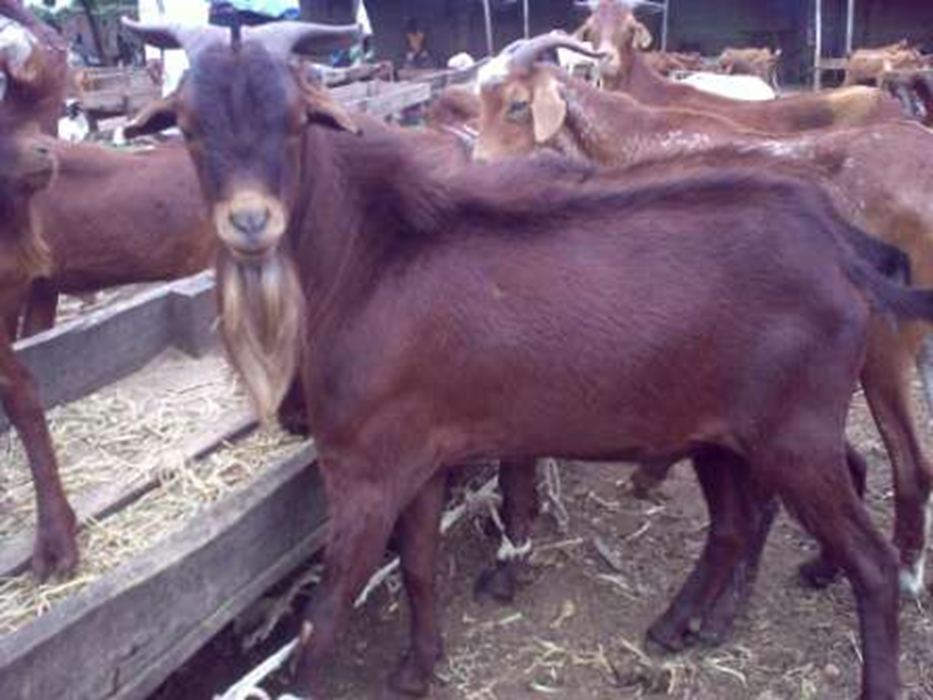
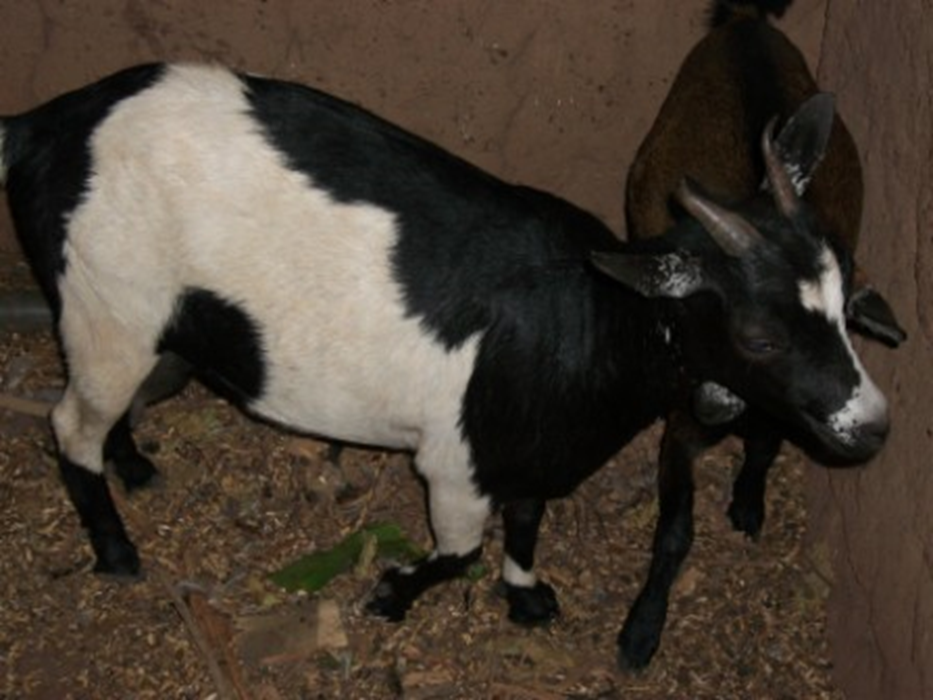
Plate 1. Maradi goats
Plate 2. West African Dwarf goats

Northern goats Southern goats
Share. Facebook Twitter Pinterest LinkedIn WhatsApp Reddit Tumblr Email
Editor
  • Website

Related Posts

Another “betrayal” in Kano: Kwankwasiyya and its aftermath, Prof. Jibrin Ibrahim

January 30, 2026

Framing a political philosophy for Nigeria, Prof. Jibrin Ibrahim

January 23, 2026

January 15th 1966 and the legacy of the military, By Prof. Jibrin Ibrahim

January 16, 2026

Leave A Reply Cancel Reply

Abia govt approves new climate change policy, prioritises disability inclusion

January 31, 2026

World Hijab Day: Group seek review of NYSC uniforms

January 31, 2026

Libya deports undocumented Nigerian migrants

January 31, 2026

My husband asks for sex 8 times every night, woman tells court

January 31, 2026
About Us
About Us

ASHENEWS (AsheNewsDaily.com), published by PenPlus Online Media Publishers, is an independent online newspaper. We report development news, especially on Agriculture, Science, Health and Environment as they affect the under-reported rural and urban poor.

We also conduct investigations, especially in the areas of ASHE, as well as other general interests, including corruption, human rights, illicit financial flows, and politics.

Contact Info:
  • 1st floor, Dogon Daji House, No. 5, Maiduguri Road, Sokoto
  • +234(0)7031140009
  • ashenewsdaily@gmail.com
Facebook Twitter Instagram Pinterest
© 2026 All Rights Reserved. ASHENEWS Daily Designed & Managed By DeedsTech

Type above and press Enter to search. Press Esc to cancel.