


Large language models (LLMs) are a type of artificial intelligence (AI) that are trained on massive datasets of text and code. They can be used to perform a variety of tasks, including generating text, translating languages, and answering questions. LLMs are still under development, but they have the potential to revolutionize the way we interact with computers. The most powerful LLMs in the world currently is ChatGPT developed by OpenAI with over 175 billion parameters. PaLM developed by Google has over 540 billion parameters. It can be used to perform a variety of tasks, including generating text, translating languages, and answering questions. Turing NLG developed by Microsoft is designed to be used in customer service chatbots and other conversational AI applications. LaMDA still under development by Google is designed to be used in a variety of applications, including question answering, summarization, and creative writing.
One of the major issues facing Africa in attainment of SDGs is the language barrier. English is the dominant language in global knowledge production and medicine, but many African countries use other languages, leading to a disconnect between health information and the communities it needs to reach forbes.com. LLMs could help to bridge this gap by providing accurate translations of health information into various African languages, making it more accessible to non-English speakers. However, it’s important to note that LLMs’ performance on African languages is currently below par, indicating a need for improvement. This is important because the SDGs were crafted in specialized language that may not be easily understood by the grassroots population.
It’s important to emphasize that the applications of LLMs in addressing the SDGs go beyond translation. LLMs can also be utilized for tasks such as sentiment analysis of public opinion on the SDGs, information retrieval for accessing relevant resources, and generating language-specific recommendations for sustainable living practices.
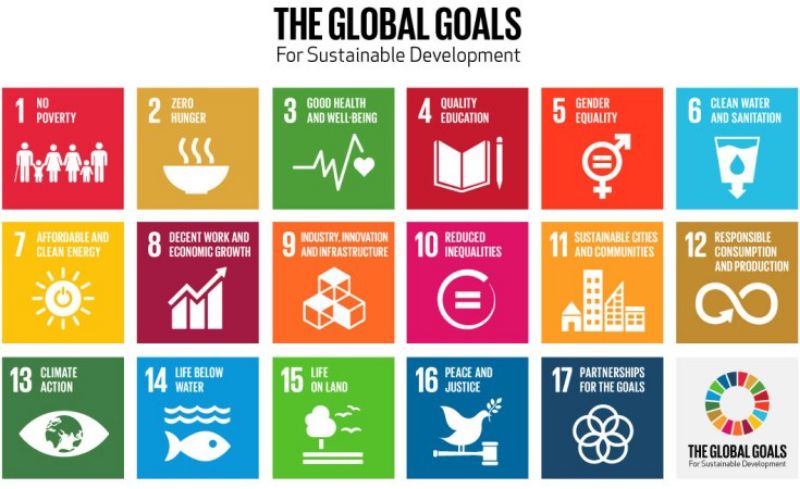
Here are some applications of LLMs to the specific 17 SDGs:
SDG 1: No Poverty: LLMs can be used to generate and translate financial literacy materials into multiple languages, making them accessible to people in poverty who may not have access to traditional financial services. LLMs can also be used to track financial data and identify trends that could lead to poverty, such as rising food prices or unemployment rates.
SDG 2: Zero Hunger: LLMs can be used to generate and translate agricultural information into multiple languages, making it accessible to farmers in developing countries. LLMs can also be used to track crop yields and identify areas where food security is at risk.
SDG 3: Good Health and Well-being: LLMs can be used to generate and translate health information into multiple languages, making it accessible to people in developing countries who may not have access to healthcare. LLMs can also be used to track disease outbreaks and identify areas where there is a need for medical assistance.
SDG 4: Quality Education: LLMs can be used to generate and translate educational materials into multiple languages, making them accessible to children in developing countries who may not have access to formal education. LLMs can also be used to track educational attainment rates and identify areas where there is a need for more schools or teachers.
SDG 5: Gender Equality: LLMs can be used to generate and translate gender equality materials into multiple languages, making them accessible to people in developing countries who may not be aware of their rights. LLMs can also be used to track gender equality indicators and identify areas where there is a need for more action.
SDG 6: Clean Water and Sanitation: LLMs can be used to generate and translate water and sanitation information into multiple languages, making it accessible to people in developing countries who may not have access to clean water or sanitation facilities. LLMs can also be used to track water quality and identify areas where there is a need for more investment in water infrastructure.
SDG 7: Affordable and Clean Energy: LLMs can be used to generate and translate energy information into multiple languages, making it accessible to people in developing countries who may not have access to affordable or clean energy. LLMs can also be used to track energy consumption and identify areas where there is a need for more investment in renewable energy sources.
SDG 8: Decent Work and Economic Growth: LLMs can be used to generate and translate employment information into multiple languages, making it accessible to people in developing countries who may not have access to decent work. LLMs can also be used to track unemployment rates and identify areas where there is a need for more job creation.
SDG 9: Industry, Innovation and Infrastructure: LLMs can be used to generate and translate information about new technologies and innovations into multiple languages, making it accessible to people in developing countries who may not have access to this information. LLMs can also be used to track the development of new technologies and identify areas where there is a need for more investment in infrastructure.
SDG 10: Reduced Inequality: LLMs can be used to generate and translate information about inequality into multiple languages, making it accessible to people in developing countries who may not be aware of the extent of inequality in their societies. LLMs can also be used to track inequality indicators and identify areas where there is a need for more action to reduce inequality.
SDG 11: Sustainable Cities and Communities: LLMs can be used to generate and translate information about sustainable cities and communities into multiple languages, making it accessible to people in developing countries who may not be aware of the importance of sustainable development. LLMs can also be used to track the development of sustainable cities and identify areas where there is a need for more investment in infrastructure.
SDG 12: Responsible: Consumption and Production: LLMs can be used to generate and translate information about responsible consumption and production into multiple languages, making it accessible to people in developing countries who may not be aware of the environmental impact of their consumption choices. LLMs can also be used to track the consumption of resources and identify areas where there is a need for more sustainable practices.
SDG 13: Climate Action: LLMs can be used to generate and translate information about climate change into multiple languages, making it accessible to people in developing countries who may not be aware of the risks posed by climate change. LLMs can also be used to track greenhouse gas emissions and identify areas where there is a need for more action to combat climate change.
SDG 14: Life below Water: LLMs can be used to generate and translate information about marine conservation into multiple languages, making it accessible to people in developing countries who may not be aware of the importance of protecting marine ecosystems. LLMs can also be used to track the health of marine ecosystems and identify areas where there is a need for more conservation efforts.
SDG 15: Life on Land: LLMs can be used to generate and translate information about forest conservation into multiple languages, making it accessible to people in developing countries who may not be aware of the importance of protecting forests. LLMs can also be used to track the health of forests and identify areas where there is a need for more conservation efforts.
SDG 16: Peace, Justice and Strong Institutions: LLMs can be used to generate and translate information about peacebuilding and conflict resolution into multiple languages, making it accessible to people in developing countries who may not be aware of the importance of peace and security. LLMs can also be used to track conflict trends and identify areas where there is a need for more investment in peacebuilding efforts.
SDG 17: Partnerships for the Goals: LLMs can be used to facilitate collaboration and cooperation between different stakeholders, such as governments, businesses, and NGOs, to achieve the SDGs. LLMs can be used to translate documents and communicate with people from different cultures, making it easier to build relationships and work together.
In conclusion, there is immense potential for the applicability of LLMs in addressing SDGs in Africa which need to be explored further. LLMs are still under development and there are some challenges that need to be addressed before they can be used effectively. As LLM technology continues to develop, we can expect to see even more innovative and impactful applications of this technology in the years to come.
