


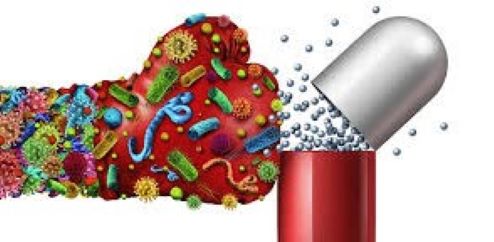
By Abdallah ELKUREBE I More countries are developing plans to tackle antimicrobial resistance (AMR), but major gaps in diagnostic testing, treatment and surveillance continue to put patients at risk, the World Health Organization (WHO) has warned.
New data released ahead of World AMR Awareness Week showed that 173 countries now have national plans to address AMR, more than double the 79 countries that reported having such plans in 2017.
However, only 22 per cent of countries said they had both the funding and full implementation needed to deliver their national AMR action plans.
AMR occurs when bacteria and other microbes become resistant to medicines used to treat infections, making common illnesses harder to treat and increasing the risks associated with routine procedures such as surgery, childbirth and cancer treatment.
In 2023, about one in six laboratory-confirmed bacterial infections globally was resistant to antibiotics, underscoring the growing threat posed by drug-resistant infections.
The findings are contained in the latest Tracking Antimicrobial Resistance Country Self-assessment Survey (TrACSS), completed by 183 countries, representing 94 per cent of WHO Member States, in 2026.
AMR diagnostic capacity remains weak
WHO said access to diagnostic testing remains inadequate in most countries, limiting the ability of health workers to identify infections accurately and prescribe the most appropriate treatment.
Only 36 per cent of countries reported having a national reference laboratory capable of testing selected bacteria and fungi, well below the global target of 80 per cent by 2030.
The agency warned that inadequate testing increases the risk of patients receiving antibiotics that are ineffective or unnecessary, while resistant infections and outbreaks may go undetected.
Gaps also persist in treatment guidelines and surveillance. Only 63 per cent of countries reported having guidelines for the appropriate use of antimicrobials, while just over half have surveillance systems to monitor antibiotic use and track AMR levels.
“National plans are essential for protecting the medicines that protect us, and the fact that most countries now have plans in place is great news,” WHO Director-General Dr Tedros Adhanom Ghebreyesus said.
“But an unfulfilled plan helps no one. We call on all countries to implement their plans with investments in infection prevention, surveillance, equitable access to essential antimicrobials and quality diagnostics.”
Tedros said preventing infections would reduce the need for antimicrobials, while effective testing would help ensure patients receive the right treatment only when necessary.
WHO rolls out new diagnostic tools
To help countries address the diagnostic gaps, WHO has released two practical tools under its AMR Diagnostic Initiative.
The tools provide a prioritised catalogue of diagnostic tests and step-by-step methods to help clinical laboratories diagnose bacterial and fungal infections.
WHO said the tools are intended to support countries in strengthening laboratory capacity and improving the detection and management of drug-resistant infections.
World AMR Awareness Week will take place from 18 to 24 November under the 2026 theme, “One Health, one action: Prevent AMR now.”
The campaign highlights the links between human, animal, plant and environmental health, and calls for coordinated action by governments, farmers, veterinarians, environmental experts and communities to prevent the emergence and spread of drug-resistant infections.
