

• Home
  • Agric
  • Sci & Tech
  • Health
  • Environment
  • Hausa News
  • More
    • Business/Banking & Finance
    • POLITICS
    • Entertainments & Sports
    • International
    • Investigation
    • Law & Human Rights
    • Africa
    • ACCOUNTABILITY/CORRUPTION
    • Hassan Gimba
    • Column
    • Prof. Jibrin Ibrahim
    • Prof. M.K. Othman
    • Defense/Security
    • Education
    • Energy/Electricity
    • Entertainment/Arts & Sports
    • Society and Lifestyle
    • Food & Agriculture
    • Health & Healthy Living
    • International News
    • Interviews
    • Investigation/Fact-Check
    • LAW & HUMAN RIGHTS
    • Oil & Gas/Mineral Resources
    • PRESS FREEDOM/JOURNALISM/PR
    • General News
    • Presidency
  • About Us
    • Contact Us
    • Board Of Advisory
    • Privacy Policy
    • Ethics Policy
    • Teamwork And Collaboration Policy
    • Fact-Checking Policy
    • Advertising
  • Media OutReach Newswire
    • Wire News
  • The Stories
Facebook Twitter Instagram
Trending
  • Tompolo urges Anambra voters to shun tribal politics, vote Tinubu in 2027, unveils 25 vehicles, 60 bikes
  • Inner wheel centre to empower women, youths
  • Northwest states plan to recruit sanitary inspectors
  • Nigeria group calls for community-led climate action
  • UN official seeks greater role for women in peacebuilding
  • MAUTH Chief: Teaching hospitals should drive innovation
  • Regular screening key to preventing diabetes complications, expert says
  • CADEF: Low public trust threatens Nigeria’s energy transition
Facebook Twitter Instagram YouTube
AsheNewsAsheNews
  • Home
  • Agric

    Dangote eyes Ghana for 500,000-tonne cocoa processing deal

    November 13, 2026

    Rural women learn climate-smart farming in Nasarawa

    November 13, 2026

    Kebbi farmers endorse Idris for 2027 re-election

    November 13, 2026

    CBN moves to strengthen credit guarantees, boost private-sector agricultural financing

    November 12, 2026

    Lagos reaffirms food security push

    November 12, 2026
  • Sci & Tech

    CADEF: Low public trust threatens Nigeria’s energy transition

    November 14, 2026

    Nigeria plans satellite facility in Epe

    November 12, 2026

    3MTT seeks partners to train Nigerians in digital skills

    November 12, 2026

    Expert urges Nigeria to build sovereign AI platform

    November 11, 2026

    NATCOMS flags cybersecurity risks in SPARK loan service

    November 11, 2026
  • Health

    Inner wheel centre to empower women, youths

    November 14, 2026

    Northwest states plan to recruit sanitary inspectors

    November 14, 2026

    UN official seeks greater role for women in peacebuilding

    November 14, 2026

    MAUTH Chief: Teaching hospitals should drive innovation

    November 14, 2026

    Regular screening key to preventing diabetes complications, expert says

    November 14, 2026
  • Environment

    Nigeria group calls for community-led climate action

    November 14, 2026

    Edo identifies 129 erosion sites for urgent action

    November 13, 2026

    Residents push for stronger environmental health checks

    November 13, 2026

    COP31: Why governments must confront systems exploiting women and Earth, by Melania Chiponda

    November 11, 2026

    FUTA Don urges sustained advocacy against deforestation, technology to assess termite risks

    November 11, 2026
  • Hausa News

    Foundation unveils public sector reform playbook

    November 12, 2026

    Tinubu asks Reps to approve N10.79tn external borrowing for 2026 budget

    November 11, 2026

    UNA signs MoU to launch air Bissau in Guinea-Bissau

    June 15, 2026

    Otti plans 250-room 5-star hotel in Umuahia

    April 11, 2026

    Anti-quackery task force seals 4 fake hospitals in Rivers

    August 29, 2025
  • More
    1. Business/Banking & Finance
    2. POLITICS
    3. Entertainments & Sports
    4. International
    5. Investigation
    6. Law & Human Rights
    7. Africa
    8. ACCOUNTABILITY/CORRUPTION
    9. Hassan Gimba
    10. Column
    11. Prof. Jibrin Ibrahim
    12. Prof. M.K. Othman
    13. Defense/Security
    14. Education
    15. Energy/Electricity
    16. Entertainment/Arts & Sports
    17. Society and Lifestyle
    18. Food & Agriculture
    19. Health & Healthy Living
    20. International News
    21. Interviews
    22. Investigation/Fact-Check
    23. LAW & HUMAN RIGHTS
    24. Oil & Gas/Mineral Resources
    25. PRESS FREEDOM/JOURNALISM/PR
    26. General News
    27. Presidency
    Featured
    Recent

    Tompolo urges Anambra voters to shun tribal politics, vote Tinubu in 2027, unveils 25 vehicles, 60 bikes

    November 14, 2026

    Inner wheel centre to empower women, youths

    November 14, 2026

    Northwest states plan to recruit sanitary inspectors

    November 14, 2026
  • About Us
    1. Contact Us
    2. Board Of Advisory
    3. Privacy Policy
    4. Ethics Policy
    5. Teamwork And Collaboration Policy
    6. Fact-Checking Policy
    7. Advertising
    Featured
    Recent

    Tompolo urges Anambra voters to shun tribal politics, vote Tinubu in 2027, unveils 25 vehicles, 60 bikes

    November 14, 2026

    Inner wheel centre to empower women, youths

    November 14, 2026

    Northwest states plan to recruit sanitary inspectors

    November 14, 2026
  • Media OutReach Newswire
    • Wire News
  • The Stories
AsheNewsAsheNews
Home»POLITICS»Election-related risks and the future of Nigerian democracy, by Prof. Jibrin Ibrahim
POLITICS

Election-related risks and the future of Nigerian democracy, by Prof. Jibrin Ibrahim

EditorBy EditorNovember 13, 2026Updated:November 13, 2026No Comments6 Mins Read
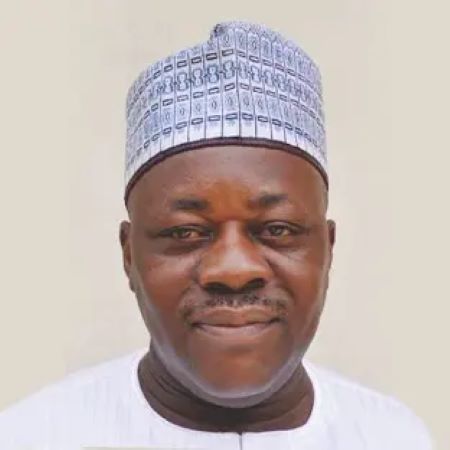
Prof. Jibrin Ibrahim
Share
Facebook Twitter LinkedIn Pinterest Email

Yesterday, the National Institute for Legislative and Democratic Studies and the Kukah Centre organised a symposium on political communication, election security and the future of Nigerian democracy. Prof. Attahiru Jega, the former INEC Chairman, chaired it. The discussion centred on the often deceptive nature of conversations between Nigerian politicians and voters. The political class is never shy about making elaborate promises of what they will deliver to constituents, and when they win elections, they never try to deliver on their promises. 

Their attitude toward voters remains to lie again and again. This has created a deep breakdown of trust between citizens and the political class. The radical advocate Aisha Yesufu, in her intervention, argued that the real weakness of Nigerian democracy is that the office of the citizen has not realised its worth and power. If and when it does, it can easily take over the power the Constitution gives it and elect a new governing class that works for it rather than for itself. I completely agree with this perspective.

Meanwhile, the political class is not the only institution failing the people. INEC has been unable to deliver the quality of elections Nigerians require and deserve. With the elections just over two months away, INEC has been unable to present the voters’ register in spite of statutory conditions that have stipulated it should have been presented much earlier. Recent revelations about the interference with the voters’ register using AI and implicating INEC staff have been troubling. In addition, the have been other stories about staff in the FCT Minister’s office having access to the server with the voters’ list have also been very concerning. Nigerians are losing confidence in our Election Management Body, and that is worrying.

Concerns were also raised about reckless judicial interventions by judges who do not appear to be neutral arbiters. The scenario developing is one in which corrupt judicial officers appear to be replacing voters as the ones who determine electoral outcomes. Citizens need to mobilise to re-assert their control over their electoral mandate. This is required because the other challenge to the mandate comes from the political class, which has been investing stolen money from the treasury in purchasing votes from citizens with insufficient political consciousness.

The larger concern is whether the entire country is headed towards a major political crisis that might compromise the elections. The concerted attempt by the regime in power to block the major opposition parties from contesting in the elections is ongoing, with potentially disastrous political consequences for the country. Opposition contestants have been banned from entering a state – Peter Obi in Benue, Atiku has been removed as a candidate; and during the Osun Governors’ elections, Senator Folorunsho asked his supporters to kill all ACCORD party organisers in his constituency, and nothing happened to him.

This week, the National Peace Committee released its monitoring report, in which it said 26 states and the Federal Capital Territory recorded 109 breaches of the National Peace Accord over 10 weeks of monitoring between August 19 and October 27. Campaigns for the presidential and National Assembly elections commenced on August 19, while those for the governorship and State Assembly polls began on September 9. Against this backdrop, 19 political parties signed the National Peace Accord in Abuja on August 18, pledging to uphold 12 standards aimed at promoting peaceful and issue-based campaigns ahead of the 2027 general elections. Under the agreement, the parties and their candidates committed to rejecting violence, threats and intimidation.

Other commitments covered issue-based campaigns, the dissemination of truthful political information, responsible use of digital media, inclusive participation, respect for electoral and security institutions, rejection of the partisan misuse of public authority and civil communication among political actors.

The report identified: 33 incidents of political violence and thuggery. 29 cases of misinformation and disinformation. 19 cases of attacks on political activities and campaign assets.15 cases of intimidation and threats. 7 incidents of restrictions on freedom of expression and assembly and 4 inflammatory statements. On the geographical spread of the incidents, the report identified Kaduna, Edo, Cross River, Kogi and Borno among the states affected.

Highlighting some of the flashpoints, the NPC report cited the September 8 obstruction of the convoy of former Anambra State governor and Nigeria Democratic Congress presidential candidate, Peter Obi, near Makurdi, Benue State. In Enugu State, the monitoring documented repeated armed disruptions of NDC and Peoples Democratic Party gatherings and party premises between September and October. The National Peace Committee also documented several incidents of political violence, including the disruption of PDP consultations by gunmen in Calabar South, Cross River State, on October 2, and the reported shooting of an African Democratic Congress supporter during political engagements in Igueben, Edo State, four days later.

In Oyo State, the NPC said violence during a political procession in Ibadan between October 14 and 17 claimed one life, while an APC ward member was reportedly killed days later. It added that allegations linking a council official to the violence were denied. The National Peace Committee also raised concerns over the use of religious and family affiliations to influence political choices, citing an alleged appeal by an APC-affiliated lawmaker in Oyo State urging Muslim voters to reject Christian candidates.

One of the most worrying dimensions of the evolving crisis, as stated by INEC, is the frequent use by political leaders and the media of the slogan, ‘Rig and Die.’ The National Commissioner and Chairman of INEC’s Information and Voter Education Committee, Mohammed Haruna, gave the warning on Saturday in Enugu at a forum organised for media practitioners ahead of the 2027 general election. Speaking on the theme, ‘Ethical and Professional Standards in Election Reporting Ahead of the 2027 General Election,’ he said, “Whatever the intention of its originators, and some insist it targets only those who rig, a slogan that links an electoral offence to death is dangerous.”

He noted that election officials at polling units, rather than influential politicians, were often the most vulnerable to attacks arising from suspicions of electoral malpractice. The emergence of the phrase is an indication of the belief among many Nigerians that incumbency powers would be used to rig the 2027 elections. The government in power must do the needful to reassure Nigerians that it will not rig the elections and that the elections will be free, fair and credible to ensure that major violence does not erupt. 

Election risks
Share. Facebook Twitter Pinterest LinkedIn WhatsApp Reddit Tumblr Email
Editor
  • Website

Related Posts

Tompolo urges Anambra voters to shun tribal politics, vote Tinubu in 2027, unveils 25 vehicles, 60 bikes

November 14, 2026

INEC sets Nov. 28 for nationwide mock accreditation ahead of 2027 elections

November 13, 2026

Sokoto PDP officials defect to APC [FULL LIST]

November 10, 2026

Leave A Reply Cancel Reply

Tompolo urges Anambra voters to shun tribal politics, vote Tinubu in 2027, unveils 25 vehicles, 60 bikes

November 14, 2026

Inner wheel centre to empower women, youths

November 14, 2026

Northwest states plan to recruit sanitary inspectors

November 14, 2026

Nigeria group calls for community-led climate action

November 14, 2026
About Us
About Us

ASHENEWS (AsheNewsDaily.com), published by PenPlus Online Media Publishers, is an independent online newspaper. We report development news, especially on Agriculture, Science, Health and Environment as they affect the under-reported rural and urban poor.

We also conduct investigations, especially in the areas of ASHE, as well as other general interests, including corruption, human rights, illicit financial flows, and politics.

Contact Info:
  • 1st floor, Dogon Daji House, No. 5, Maiduguri Road, Sokoto
  • +234(0)7031140009
  • ashenewsdaily@gmail.com
Facebook Twitter Instagram Pinterest
© 2026 All Rights Reserved. ASHENEWS Daily Designed & Managed By DeedsTech

Type above and press Enter to search. Press Esc to cancel.