

• Home
  • Agric
  • Sci & Tech
  • Health
  • Environment
  • Hausa News
  • More
    • Business/Banking & Finance
    • POLITICS
    • Entertainments & Sports
    • International
    • Investigation
    • Law & Human Rights
    • Africa
    • ACCOUNTABILITY/CORRUPTION
    • Hassan Gimba
    • Column
    • Prof. Jibrin Ibrahim
    • Prof. M.K. Othman
    • Defense/Security
    • Education
    • Energy/Electricity
    • Entertainment/Arts & Sports
    • Society and Lifestyle
    • Food & Agriculture
    • Health & Healthy Living
    • International News
    • Interviews
    • Investigation/Fact-Check
    • LAW & HUMAN RIGHTS
    • Oil & Gas/Mineral Resources
    • PRESS FREEDOM/JOURNALISM/PR
    • General News
    • Presidency
  • About Us
    • Contact Us
    • Board Of Advisory
    • Privacy Policy
    • Ethics Policy
    • Teamwork And Collaboration Policy
    • Fact-Checking Policy
    • Advertising
  • Media OutReach Newswire
    • Wire News
  • The Stories
Facebook Twitter Instagram
Trending
  • NISA urges FG to regulate IVF, surrogacy
  • FG targets better soil health for food security
  • Abia deploys TechRise graduates to boost digital services
  • Moniepoint wins SME microfinance bank award for 3 years
  • UNICEF: Rural communities must shape AI health tools
  • NASENI unveils UAV training centre in Kaduna
  • Lassa fever: Anambra begins contact tracing
  • NMA warns of doctors’ burnout, premature deaths
Facebook Twitter Instagram YouTube
AsheNewsAsheNews
  • Home
  • Agric

    FG targets better soil health for food security

    October 20, 2026

    COANSA calls for better agricultural funding

    October 19, 2026

    Ebonyi Senator distributes 10,000 bags of fertiliser

    October 19, 2026

    EIB Global, FCMB commit €85m to Nigeria’s cocoa, dairy value chains

    October 19, 2026

    Bauchi farmers decry poor rice harvest

    October 19, 2026
  • Sci & Tech

    Abia deploys TechRise graduates to boost digital services

    October 20, 2026

    Moniepoint wins SME microfinance bank award for 3 years

    October 20, 2026

    UNICEF: Rural communities must shape AI health tools

    October 20, 2026

    NASENI unveils UAV training centre in Kaduna

    October 20, 2026

    FG pushes local raw materials for industrial growth

    October 19, 2026
  • Health

    NISA urges FG to regulate IVF, surrogacy

    October 20, 2026

    Lassa fever: Anambra begins contact tracing

    October 20, 2026

    NMA warns of doctors’ burnout, premature deaths

    October 19, 2026

    NMA seeks 200 more doctors in Cross River

    October 19, 2026

    NMA urges Kwara to improve doctors’ welfare

    October 19, 2026
  • Environment

    Experts urge responsible AI use to tackle vaccine misinformation

    October 19, 2026

    Nigeria seeks climate finance for key sectors

    October 19, 2026

    Niger female town planners warn poor urban planning can worsen flooding, insecurity

    October 19, 2026

    Minister urges Nigerians to embrace proper handwashing

    October 19, 2026

    NiMet forecasts dust haze, thunderstorms nationwide

    October 19, 2026
  • Hausa News

    UNA signs MoU to launch air Bissau in Guinea-Bissau

    June 15, 2026

    Otti plans 250-room 5-star hotel in Umuahia

    April 11, 2026

    Anti-quackery task force seals 4 fake hospitals in Rivers

    August 29, 2025

    [BIDIYO] Yadda na lashe gasa ta duniya a fannin Ingilishi – Rukayya ‘yar shekara 17

    August 6, 2025

    A Saka Baki, A Sasanta Saɓani Tsakanin ‘Yanjarida Da Liman, Daga Muhammad Sajo

    May 21, 2025
  • More
    1. Business/Banking & Finance
    2. POLITICS
    3. Entertainments & Sports
    4. International
    5. Investigation
    6. Law & Human Rights
    7. Africa
    8. ACCOUNTABILITY/CORRUPTION
    9. Hassan Gimba
    10. Column
    11. Prof. Jibrin Ibrahim
    12. Prof. M.K. Othman
    13. Defense/Security
    14. Education
    15. Energy/Electricity
    16. Entertainment/Arts & Sports
    17. Society and Lifestyle
    18. Food & Agriculture
    19. Health & Healthy Living
    20. International News
    21. Interviews
    22. Investigation/Fact-Check
    23. LAW & HUMAN RIGHTS
    24. Oil & Gas/Mineral Resources
    25. PRESS FREEDOM/JOURNALISM/PR
    26. General News
    27. Presidency
    Featured
    Recent

    NISA urges FG to regulate IVF, surrogacy

    October 20, 2026

    FG targets better soil health for food security

    October 20, 2026

    Abia deploys TechRise graduates to boost digital services

    October 20, 2026
  • About Us
    1. Contact Us
    2. Board Of Advisory
    3. Privacy Policy
    4. Ethics Policy
    5. Teamwork And Collaboration Policy
    6. Fact-Checking Policy
    7. Advertising
    Featured
    Recent

    NISA urges FG to regulate IVF, surrogacy

    October 20, 2026

    FG targets better soil health for food security

    October 20, 2026

    Abia deploys TechRise graduates to boost digital services

    October 20, 2026
  • Media OutReach Newswire
    • Wire News
  • The Stories
AsheNewsAsheNews
Home»Health & Healthy Living»NISA urges FG to regulate IVF, surrogacy
Health & Healthy Living

NISA urges FG to regulate IVF, surrogacy

NewsdeskBy NewsdeskOctober 20, 2026Updated:October 20, 2026No Comments4 Mins Read
Share
Facebook Twitter LinkedIn Pinterest Email

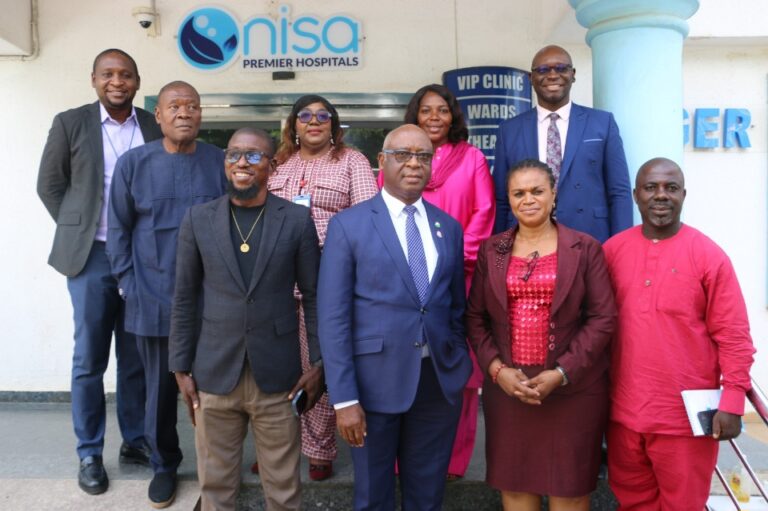
NISA Premier Hospital, Abuja, has called on the Federal Government to establish a comprehensive regulatory framework for in-vitro fertilisation (IVF) and surrogacy.

The Group Managing Director (GMD) of NISA Medical Group, Dr Musa Shuaibu, made the call in an interview with reporters on Tuesday in Abuja.

Shuaibu said such a framework would address misconceptions, unethical practices and other challenges associated with assisted reproductive technology (ART).

He said that although acceptance of ART was growing among educated Nigerians, cultural beliefs, religious considerations and limited understanding continued to influence public perceptions of fertility treatments.

According to him, greater awareness was necessary to help Nigerians understand how medical science could assist couples experiencing difficulties conceiving, while distinguishing legitimate medical practice from unethical activities.

“Among the enlightened, I would say we are making progress, but in many communities, people still have questions about what these procedures mean and what they are all about.

“We need enlightenment across different communities to let people understand that science and technology can assist couples to have babies,” he said.

The GMD, however, warned that reported cases of unethical practices by unqualified individuals could undermine public confidence in ART and increase apprehension among prospective patients.

He also urged journalists to verify medical claims and consult qualified specialists when reporting on fertility treatments to avoid spreading misinformation and creating unnecessary fear.

Shuaibu attributed persistent misconceptions surrounding IVF to a combination of educational, cultural and religious factors, noting that beliefs varied across communities and religious groups.

He said sustained public education was necessary to improve understanding of fertility treatments and encourage informed decisions among couples seeking medical assistance.

On the belief that infertility was primarily a woman’s problem, the GMD said fertility investigations should involve both partners because difficulties conceiving could result from male or female factors.

“Infertility is not exclusively a male or female issue; it is a couple’s concern. When they come for investigation, both partners are evaluated to identify the factors affecting their ability to conceive,” he said.

He explained that treatment depended on the findings of medical investigations, adding that some men required assistance with sperm collection or delivery, while some women needed interventions to address reproductive conditions.

The GMD said the assumption that women were solely responsible for infertility placed unnecessary pressure on them and overlooked the possible contribution of male-factor infertility.

He also dismissed misconceptions that children conceived through IVF were biologically different from those conceived naturally.

Shuaibu explained that IVF assisted fertilisation rather than creating reproductive cells artificially.

“There is no difference in the sense that the sperm and the ovum are the same reproductive cells that would have come together naturally.

“What we do is use science and technology to assist fertilisation,” he said.

He explained that IVF involved collecting eggs and sperm and bringing them together in a laboratory, after which an embryo could be transferred into the woman’s uterus.

According to him, when a woman could not carry a pregnancy, a gestational carrier could be considered, subject to appropriate medical assessment and applicable professional and legal requirements.

The GMD said surrogacy and IVF were related but distinct concepts, explaining that IVF was a fertilisation technique, while surrogacy involved another woman carrying a pregnancy for the intended parent or parents.

He noted that the two procedures could be combined when an embryo created through IVF was transferred to a gestational carrier because the intended mother could not safely carry the pregnancy.

He said surrogacy required extensive psychological preparation because pregnancy could create a strong emotional bond between the woman carrying the baby and the unborn child.

Shuaibu cited cases in which gestational carriers had refused to hand over babies after delivery despite previously signed agreements.

He said such disputes highlighted the need for clear rules and adequate psychological preparation, adding that Nigeria’s legal framework for ART and surrogacy remained inadequate.

This, he said, meant practitioners relied substantially on professional guidance and practices in jurisdictions with more established regulatory arrangements.

“Our call to government has always been that appropriate regulation should be put in place.

“Without a clear framework, there is room for sharp practices by people who may not be qualified to provide these services,” he said.

He urged the government to establish clear standards to guide fertility treatments, protect patients and children, and distinguish qualified practitioners from unlicensed operators.

The GMD also said NISA was open to collaborations with organisations seeking to address the financial burden of fertility treatment.

According to him, partnerships with relevant institutions could help improve access to fertility services, particularly for couples who struggled to afford treatment.

IVF NISA
Share. Facebook Twitter Pinterest LinkedIn WhatsApp Reddit Tumblr Email
Newsdesk
  • Website

Related Posts

Lassa fever: Anambra begins contact tracing

October 20, 2026

NMA warns of doctors’ burnout, premature deaths

October 19, 2026

NMA seeks 200 more doctors in Cross River

October 19, 2026

Leave A Reply Cancel Reply

NISA urges FG to regulate IVF, surrogacy

October 20, 2026

FG targets better soil health for food security

October 20, 2026

Abia deploys TechRise graduates to boost digital services

October 20, 2026

Moniepoint wins SME microfinance bank award for 3 years

October 20, 2026
About Us
About Us

ASHENEWS (AsheNewsDaily.com), published by PenPlus Online Media Publishers, is an independent online newspaper. We report development news, especially on Agriculture, Science, Health and Environment as they affect the under-reported rural and urban poor.

We also conduct investigations, especially in the areas of ASHE, as well as other general interests, including corruption, human rights, illicit financial flows, and politics.

Contact Info:
  • 1st floor, Dogon Daji House, No. 5, Maiduguri Road, Sokoto
  • +234(0)7031140009
  • ashenewsdaily@gmail.com
Facebook Twitter Instagram Pinterest
© 2026 All Rights Reserved. ASHENEWS Daily Designed & Managed By DeedsTech

Type above and press Enter to search. Press Esc to cancel.