


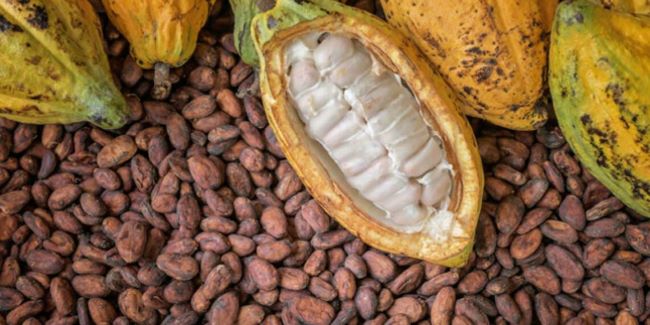
Ghana, the world’s second-largest cocoa producer, expects its cocoa production to drop by at least 16% in the 2026/27 season, the Ghana Cocoa Board (COCOBOD) has confirmed. The projected decline—covering the crop season beginning in September 2026—has intensified concerns over tighter global supplies and higher chocolate prices.
Causes of the decline
COCOBOD attributes the expected fall to a combination of adverse weather, disease, and structural challenges in key farming regions.
- Weather and crop cycle: The regulator cited the likelihood of El Niño conditions, excessive rainfall in May and June 2026, and the cocoa tree’s natural bearing pattern, which alternates between high- and low-yield years. These factors have reduced the number of healthy “cherelles” (young pods that survive to maturity), especially in the Western and Western North regions, which together account for more than half of Ghana’s cocoa output.
- Disease: Cocoa swollen shoot virus disease (CSSVD) remains a major threat, with reports indicating that Ghana’s Western North region is heavily infected and that the disease can reduce yields by 30–50% and kill trees within two to three years.reuters+2
- Aging farms and illegal mining: Aging plantations and the expansion of illegal gold mining (“galamsey”) have further eroded productive farmland in the country’s main cocoa belts.
COCOBOD’s response
In response, COCOBOD says it has stepped up interventions to limit losses and support recovery.
- Farm rehabilitation: The board is rehabilitating farms affected by swollen shoot disease, particularly in the Western North Region, including removing diseased trees and replanting with improved, disease-tolerant varieties.
- Pest and disease control: Nationwide insecticide and fungicide spraying programmes have been expanded to curb disease spread and protect remaining trees.
- Fertiliser support: Free fertiliser distribution for cocoa farmers has been reintroduced for the 2026/27 crop year to boost tree health and productivity.
Market implications
The outlook adds to pressure on global cocoa markets, with some forecasts already pointing to a sharp narrowing of the world cocoa surplus in 2026/27 as both Ghana and Côte d’Ivoire face output declines. With Ghana’s harvest expected to contract significantly, analysts warn that reduced supply could translate into higher cocoa prices and, ultimately, costlier chocolate products for consumers.africa.
Farmers in the affected regions had previously warned of lower pod development, and COCOBOD’s latest projections confirm those fears for the coming season.
