


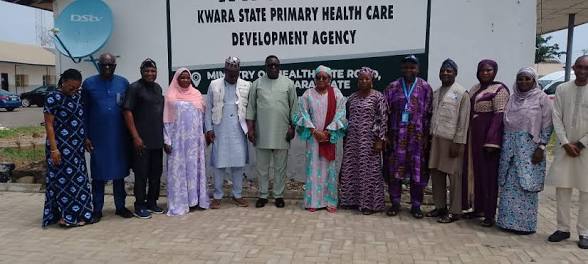
The Kwara State Government has distributed more than 14,423 Multiple Micronutrient Supplements (MMS) during the recent Maternal, Newborn and Child Health (MNCH) Week.
The Commissioner for Health, Dr Amina El-Imam, disclosed this on Thursday in Ilorin at the State-Level Multiple Micronutrient Supplementation (MMS) Costed Implementation Plan Development Workshop.
The workshop was organised in collaboration with the Federal Ministry of Health and Social Welfare and Vitamin Angels.
El-Imam also revealed that a total of 172,762 bottles of MMS had been supplied to the state between 2021 and 2026.
She explained that the workshop was in line with the National Roadmap for Multiple Micronutrient Supplementation (2025–2029), which aims to ensure equitable access to MMS for every pregnant woman through routine antenatal care services.
Represented by the Permanent Secretary of the ministry, Dr Taoheed Abdullahi, the commissioner said the initiative was aimed at strengthening maternal nutrition and improving pregnancy outcomes across the state.
According to her, MMS has been proven to reduce maternal anaemia, low birth weight, preterm births, and other adverse pregnancy outcomes.
El-Imam reaffirmed the state government’s commitment to evidence-based interventions that advance Universal Health Coverage (UHC) and reduce maternal and neonatal mortality.
She noted that the state had recorded significant progress in maternal and child health through investments in primary healthcare, immunisation, maternal health services, health insurance coverage, and health system strengthening.
“Thousands of pregnant women continue to access skilled birth attendance services across health facilities, while the Kwara State Health Insurance Scheme has expanded access to essential maternal and child healthcare services,” El-Imam said.
The commissioner, however, noted that despite these achievements, challenges relating to maternal nutrition and micronutrient deficiencies persisted, making the introduction and scale-up of MMS both timely and necessary.
In a welcome address, the Executive Secretary of the Kwara State Primary Health Care Development Agency, Prof. Nusirat Elelu, described the workshop as a critical step towards achieving better health outcomes for mothers and children in the state.
Represented by Dr Bankole Olugbenga, the State Nutrition Officer, Elelu highlighted the agency’s ongoing efforts, including the integration of MMS into antenatal care services and the free distribution of Iron and Folic Acid (IFA) supplements.
She said other interventions included the distribution of MMS during MNCH Weeks, training of healthcare workers on Maternal, Infant and Young Child Nutrition, and the implementation of the “Eat a Rainbow” campaign.
“The four-day workshop is designed to develop a state-specific costed implementation plan aligned with the National MMS Roadmap, ensuring adequate resources, proper budgeting, and effective implementation across the state,” she said.
Presenting the objectives of the workshop, the Sector-Wide Approach (SWAp) Desk Officer, Dr Ola Ahmed, said participants would review the National MMS Roadmap (2025–2029) and its implementation framework, and adapt the national policy for implementation in Kwara State.
Ahmed added that the workshop would also assess the state’s readiness for MMS rollout and scale-up within antenatal care services, develop a realistic implementation plan and budget, define the roles and responsibilities of stakeholders, identify financing options for sustainable implementation, and develop indicators for monitoring and evaluating programme outcomes.
In her goodwill message, the Technical Specialist at Vitamin Angels, Dr Gloria Ode, said MMS was first introduced in Kwara by the organisation as a cost-effective intervention to improve the health of pregnant women.
She noted that the programme had proven beneficial in reducing maternal mortality, anaemia, and low birth weight among newborns.
Ode commended the state government for its commitment and support towards the successful implementation of the programme and expressed confidence that the continued scale-up of MMS would further improve maternal and child health outcomes across the state.
